
Featured
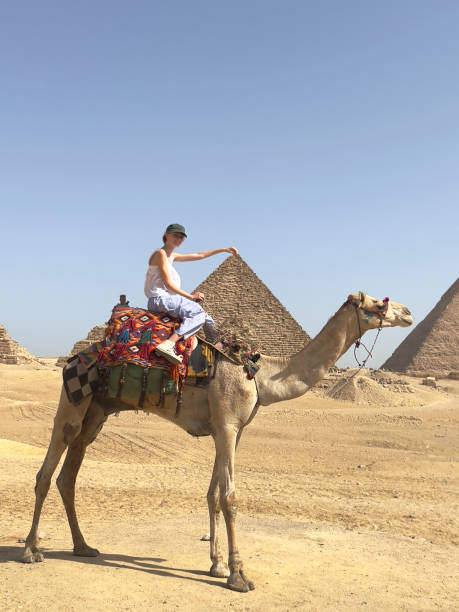
Discover Egypt in unmatched luxury on a 21-day overland journey from Cairo to Siwa, then through Upper Egypt’s timeless wonders.
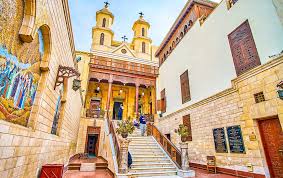
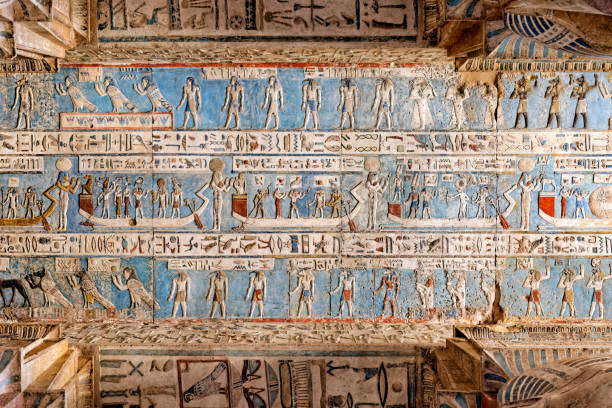
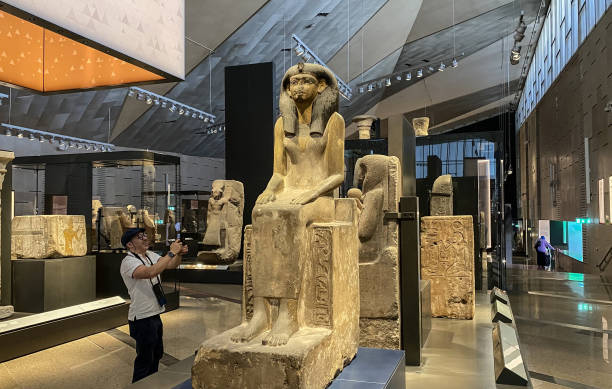
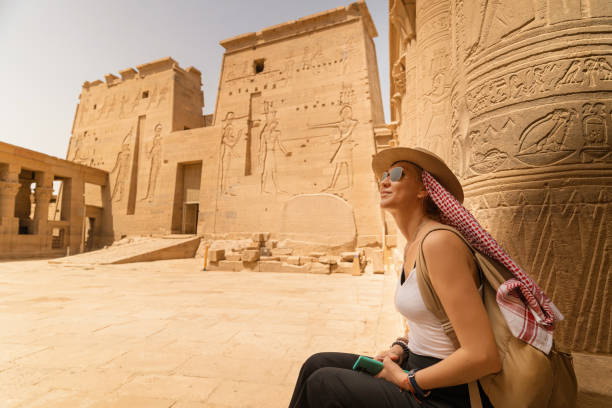
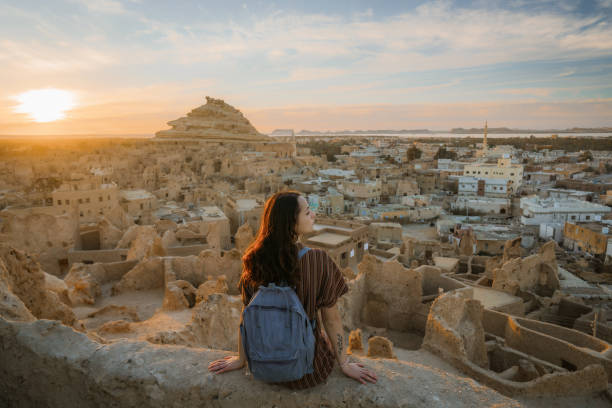
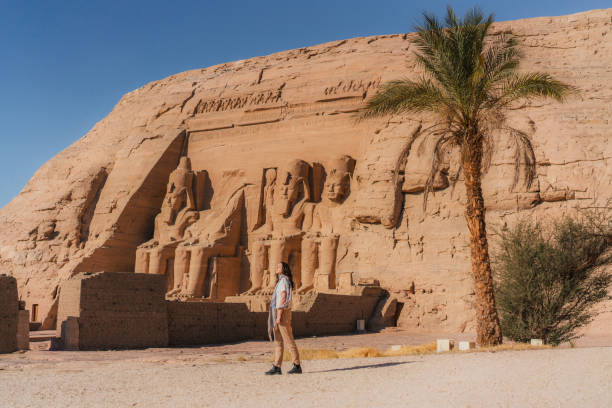
Experience Egypt like never before. This carefully crafted 21-day overland journey blends iconic landmarks with hidden treasures. From the vibrant streets of Cairo to the serene beauty of Siwa Oasis, every moment feels exclusive and immersive. Moreover, you travel in comfort while expert guides bring history to life.
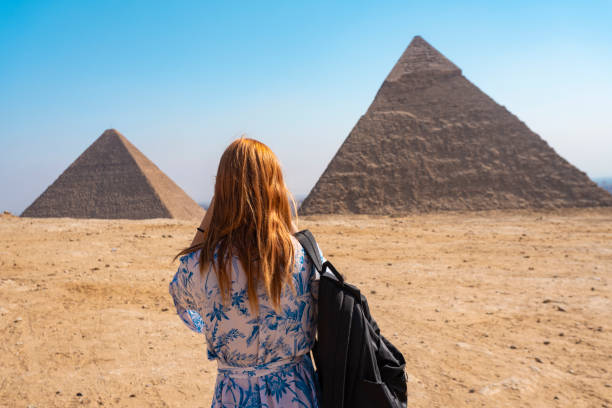
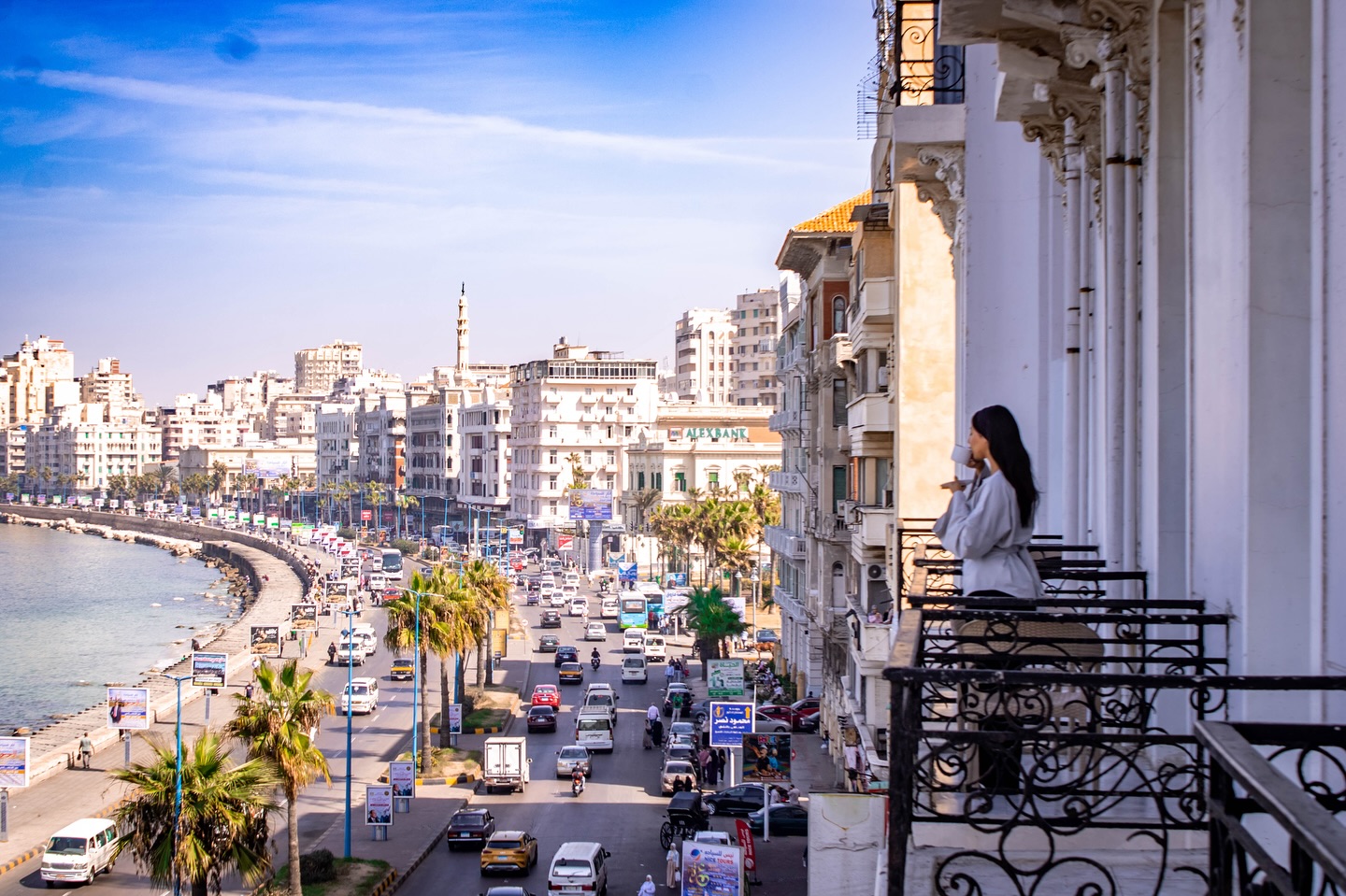
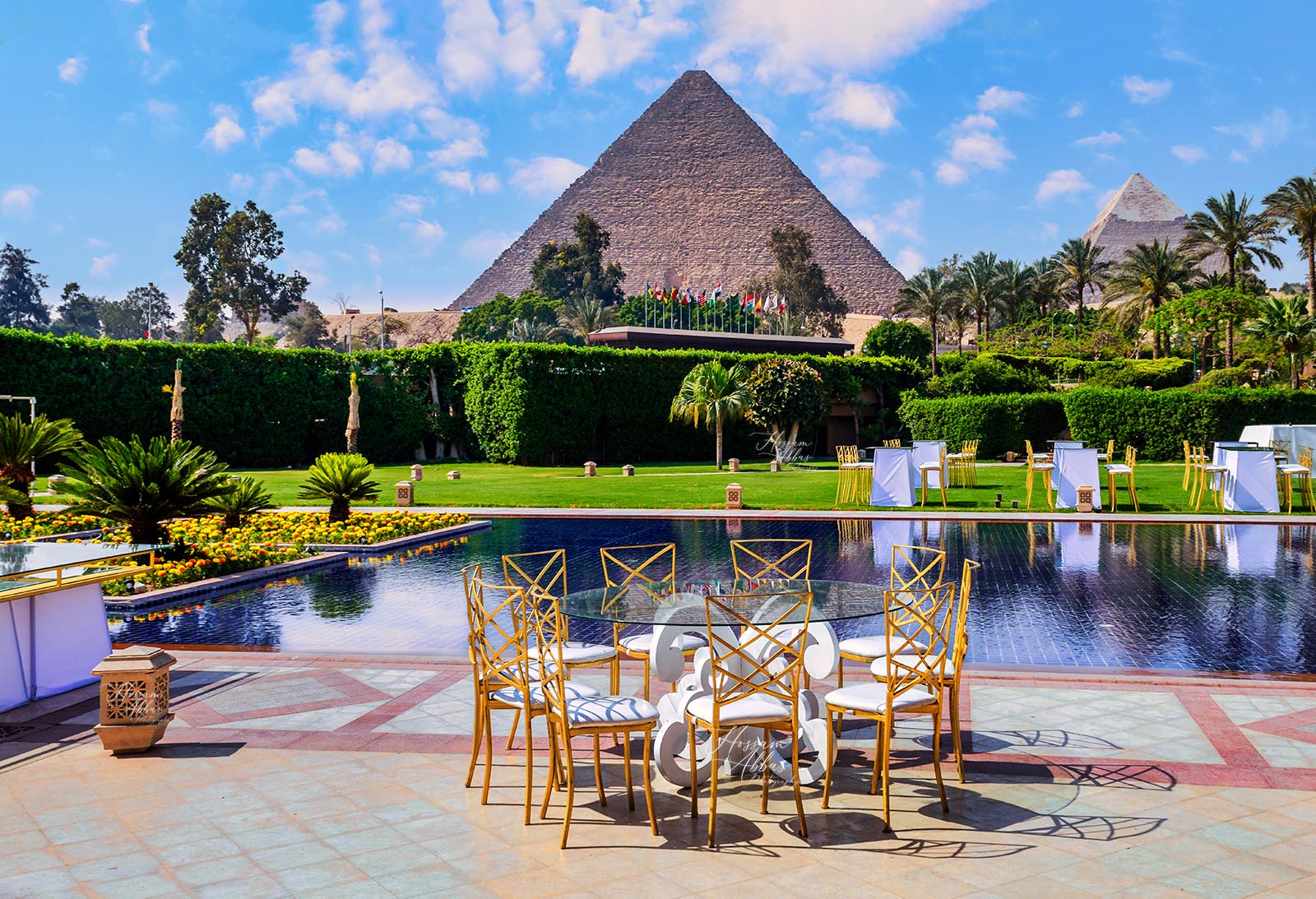
Your journey begins in Cairo, where ancient and modern worlds meet. First, marvel at the Great Pyramids and the Sphinx. Then, wander through world-class museums and bustling bazaars. Afterward, head to Alexandria, where Mediterranean charm meets rich heritage. Here, you explore historic libraries, coastal fortresses, and elegant promenades.
Next, venture deep into the Western Desert to reach Siwa Oasis. The scenery shifts dramatically, offering peace and natural beauty. As you relax in luxury eco-lodges, you also discover salt lakes, palm groves, and ancient ruins. In addition, sunset views over the dunes create unforgettable moments.
After Siwa, the adventure continues south. Travel overland toward Luxor and Aswan, passing through scenic landscapes and authentic villages. Along the way, you experience Egypt beyond the usual tourist paths.
Luxor welcomes you with grandeur. Explore the Valley of the Kings, where pharaohs rest in elaborate tombs. Then, visit Karnak and Luxor Temples, which showcase extraordinary ancient architecture. Furthermore, guided tours ensure deeper understanding and richer experiences.
Finally, arrive in Aswan, a city known for its tranquility and beauty. Here, you visit Philae Temple and sail along the Nile in style. Additionally, optional excursions to Abu Simbel add even more wonder to your journey.
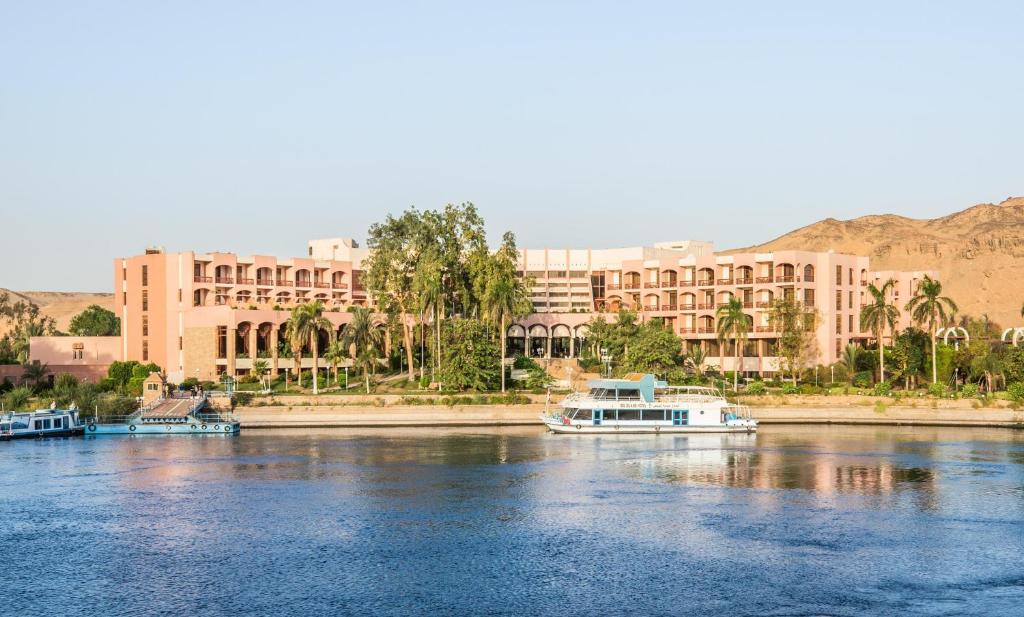
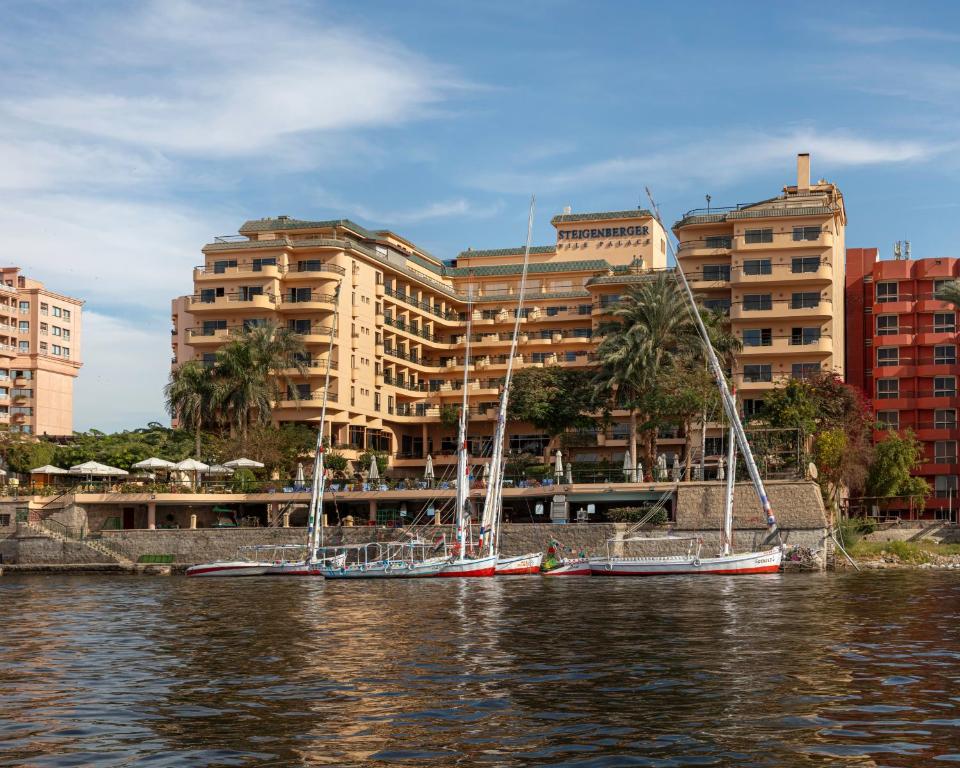
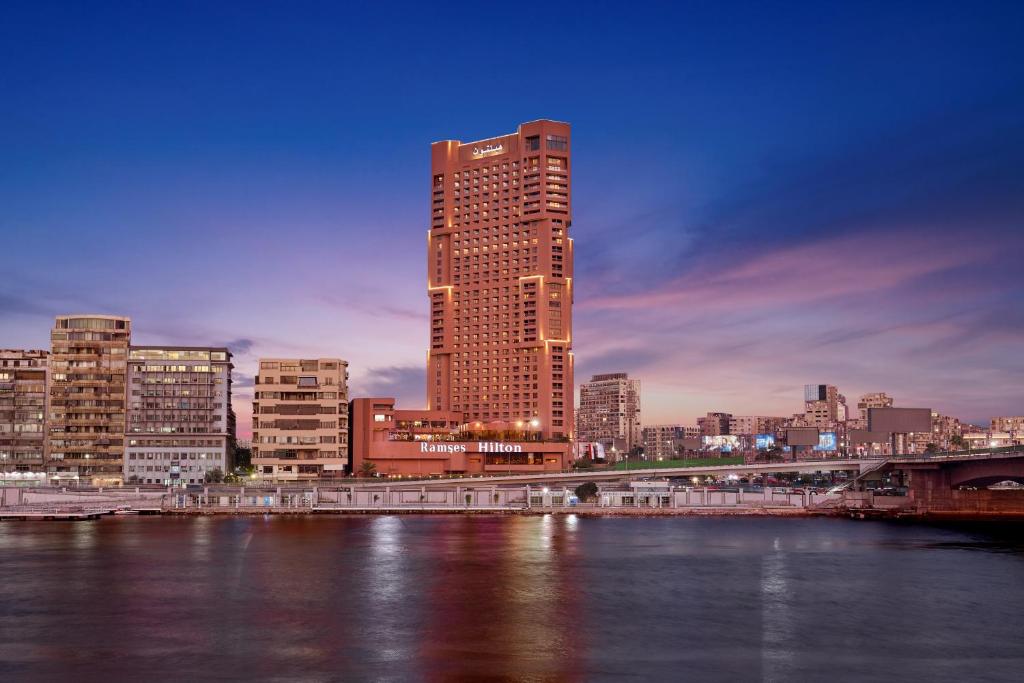
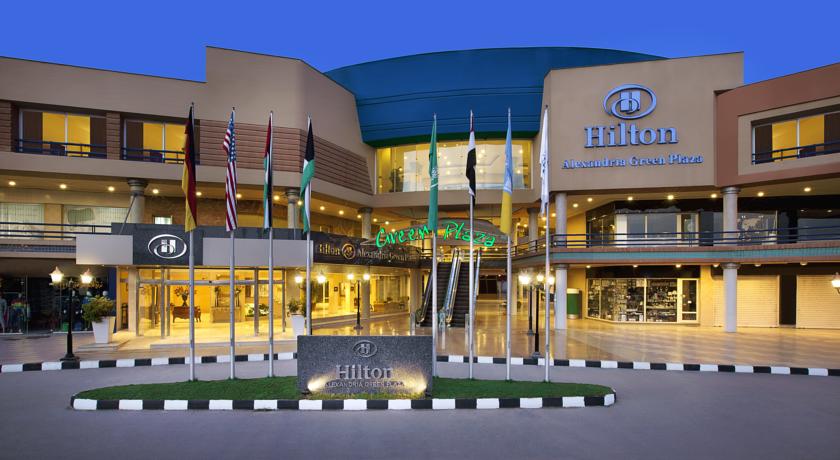
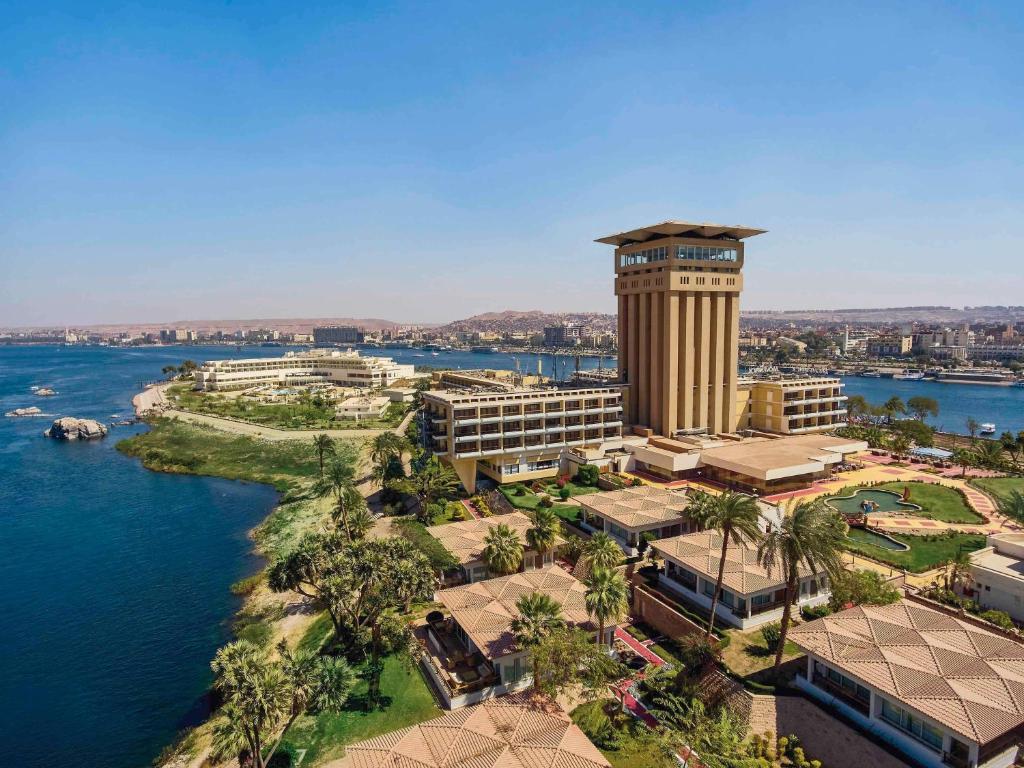
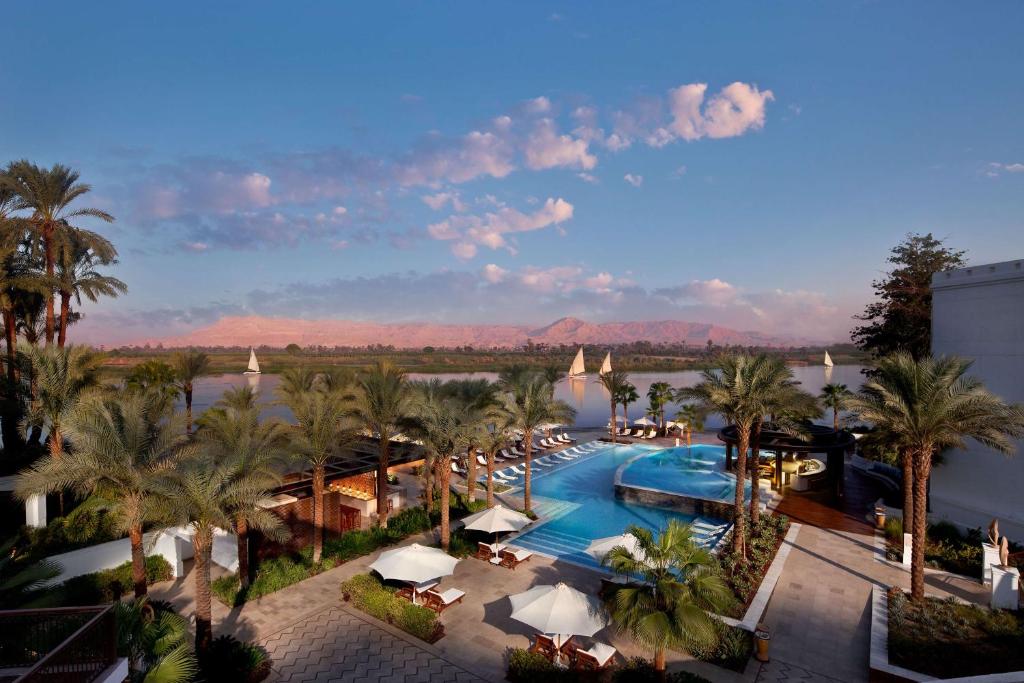
Throughout the trip, luxury remains a priority. You stay in premium hotels and boutique lodges while enjoying private transfers and personalized service. As a result, every detail feels seamless and refined.
🏜️ Explore the Great Pyramids and Sphinx in Cairo
🌊 Discover Mediterranean charm in Alexandria
🌴 Relax in the serene Siwa Oasis with luxury eco-lodging
🚙 Desert safari adventure in the Western Desert
🏛️ Visit the Valley of the Kings and Karnak Temple in Luxor
🌅 Watch stunning sunsets over Siwa’s sand dunes
🧭 Enjoy private guided tours with expert Egyptologists
🏨 Stay in handpicked luxury accommodations
Arrival to Egypt
Welcome to Cairo. Your tour begins when you are greeted by our representative who will assist you. After you have collected your luggage, he will then take you, in our deluxe vehicle, to your Cairo hotel.
Overnight in Cairo
Meals: Welcome Drink
At 8 am we will start our day tour and start exploring the history of Egyptian Civilization and visit the ruins of its first capital
Memphis Open Air Museum
Memphis was the oldest capital of ancient Egypt, the first one that was founded after the unification of upper and Lower Egypt. The city was founded in the first dynasty (3100 BC).
The Step Pyramid of Saqqara
It’s called also step Pyramid of Zoser or Josser, due to the King Zoser who ordered his minister Imhotep to build it, this pyramid consists of six-layers, its height was about 197foot (60 meters). It is the first Pyramid ever built and it is the first largest scale stone building in the world.
The Step Pyramid Serdab
The underground passages are vast and one of the most mysterious discoveries inside are the stone vessels. Over 40,000 of these vessels, of various form and shape, were found in two of the descending shafts of the pyramid.
Pyramid of Unas
The Pyramid of Unas is a smooth-sided pyramid built in the 24th century BC for the Egyptian pharaoh Unas, the ninth and final king of the Fifth Dynasty.
New Kingdom Cemetery
The vast necropolis of Saqqara, which served as the cemetery of ancient Memphis, contains tombs from almost every period of Egyptian history. The New Kingdom (c.1550–1069 BC) cemetery south of the causeway of Unas is where several important officials of the Eighteenth to Twentieth Dynasties were buried. Among these tombs are
The Tomb of Hormoheb
The tomb from the time in which he was not yet Pharaoh Horemheb was discovered a first time in the 19th century, then it disappeared again under the sands. It was rediscovered in 1975 by Geoffrey Martin and his team who cleared the monument in four seasons of excavation.
The Tomb of Maya
At the end of the 14th century BC, Maya was one of the major figures in the Egyptian state, from the reign of Tutankhamun to that of Horemheb. His prestigious career is attested by his many titles and epithets, the most important of which is "Overseer of the Treasury" (that is Minister of Finance).
The Serapeum at Saqqara
The Serapeum at Saqqara is the tomb of the sacred Apis bulls that were associated with the god Ptah, whose cult center was in Memphis. An avenue of sphinxes leads to the Serapeum, which is composed of two long corridors that once housed the mummified remains of the bulls. The tomb was in use from the time of Amenhotep III in the New Kingdom through to the Ptolemaic Period.
Pyramid Complex of Teti
Teti (c.2345–2323 BC), the first ruler of the Sixth Dynasty, built his pyramidal complex not far from the Step Pyramid of (c.2667–2648 BC), in Saqqara. Upon completion, it stood 52.5 m tall.
The mastaba tomb of Kagemni also known as Memi
The mastaba was discovered in 1843 by Richard Lepsius. It had to wait until 1905 before von Bissing would begin his publication of rooms IV to VIII, which wasn't completed until 1911.
The mastaba of Nikauisesi
The mastaba of Nikauisesi is situated in the north-east sector of the necropolis of Saqqara. The tomb was discovered in 1979-80 by the Supreme Council of Antiquities
The mastaba of Ankhmahor
The mastaba of Ankhmahor is situated on the northern side of Teti’s pyramid at Saqqara in the block of tombs belonging to the officials of the king’s Dynasty VI reign.
At the end of this great day we will enjoy lunch in one of the best resturants that looks over the Pyramids and then we will go back to our hotel and overnight in Cairo.
Overnight in Cairo
Meals: Breakfast & Lunch
It is said that Egypt is full of Pyramids and after breakfast you will get the opportunity to visit 2 more of them. You will be taken, in an air-conditioned vehicle, to Dashur where you will see the two pyramids built by the Pharaoh Snefru.
The Red Pyramid
The Red Pyramid was another project of the 4th Dynasty pharaoh Sneferu. After the completion of the Bent Pyramid, which also stand nearby in the Necropolis at Dahshur, Sneferu set out to correct the mistakes that were made in the construction of his that pyramid and the one at Meidum that collapsed during construction.
The Bent Pyramid
The Bent Pyramid is called a ‘transitional’ pyramid because the angle of its sides changes abruptly approximately one-third of the way up. Archeologists attribute this to an engineering crisis during construction.
The Grand Egyptian Museum
The museum houses a collection of the most valuable Egyptian artifacts ever from various periods of the Egyptian civilization, from the Predynastic Period to Coptic Egypt, with an estimated total of over 100,000 artifacts, including at least 20,000 that will be displayed for the first time ever, including the complete King Tutankhamun collection comprising 5,398 pieces. The Tut collection is on display in a 7,500 m2 section of the museum. Rare pieces that have been restored will be displayed for the first time, such as the second solar ship of Khufu, the restoration of which cost $5 million, the collection of Queen Hetepheres (mother of King Khufu), and the collection of Yuya and Thuyu (parents of Queen Tiye).
After this amazing trip through Egypt's pharaonic past, you will be driven back to your hotel.
Overnight in Cairo Hotel
Meals: Breakfast, Lunch
At 09 am you will meet your tour Guide and start your day to the great Pyramids area which includes:
Giza Pyramids Complex
The three main pyramids of Giza (Khufu, Khafre, and Menkaure) are sufficient enough to build a 2-meter-long wall and span 100,000 square kilometers around the globe along with the equator.
The Great Pyramid
Go Inside the Great Pyramid of Giza and discover how amazing is its inner design. Get inspired and enjoy its ascending and descending corridors till reaching the top and the burial chamber of King Cheops. This is one of the most beloved adventures in our tour.
Tomb of Queen Meres ankh III
Under the shadow of the Great Pyramid lies the mastaba of Queen Meresankh III, the wife of Khafra and granddaughter of Khufu. Both very large and exquisitely decorated, this is indeed a tomb worthy of her rank and fortunately also contains the best-preserved wall reliefs in the Eastern Cemetery.
Camel Ride
During our visit to the Pyramids, you will experience the transportation of the ancient and will enjoy a camel to get the best shots around the pyramids you just need to prepare your camera.
The Magical Sphinx
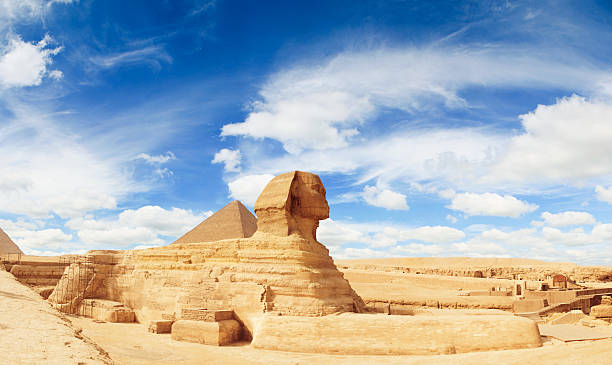
Who among us when mentioning the name of the Sphinx does not think about this stone sculpture that carved in the form of the human head and lion body, which is located in the Giza plateau in Egypt the Sphinx is one of the oldest and the largest sculptures in the world, it’s about 73.5 meters long and 6 meters wide.
The Valley Temple
It was used as a place for the embalming process. This temple constructed definitely for two functions: First, it was used for the purification of the mummy before its burial. Second, it was used for making the Mummification process of the king.
Optional Tour Desert Safari by Quad Bike Around Pyramids
enjoy the only place in Egypt where you can experience the wonders of the ancient world through the quad bike tour experience with a panoramic view of the Pyramids of Cheops, Chephren and Mykerinus. What is unique about this tour is getting there is half the fun, Being there near the great pyramids of giza enjoying the adventure of quadbike.
Overnight in Cairo
Meals: Breakfast & Lunch
Your day starts with breakfast in your hotel followed by a 2.5-hour drive, in our air-conditioned vehicle, to Alexandria where you will check-in at your hotel upon arrival.
The Catacombs of Kom Alshaqafa
The Catacombs of Alexandria are the largest and most important burial site in Egypt that has a mixture of Roman, Hellenistic, and ancient Egyptian decorative art and elements that were all common during this period in Alexandria.
The Pompai`s Pillar
It’s a column that stands on a rocky hilltop in the middle of Alexandria. Pompey Pillar is a triumphal monument erected around 300 AD for the Roman Emperor Diocletian.
Qait Bay Citadel
Qaitbay Citadel has been built during the 14th century by (Sultan Qaitbay) to defend Alexandria from the attacks of The Ottoman Empire. You can enjoy the Sea views, wonderful restaurants, and unforgettable touristic items while visiting it.
Lunch will be served during the day tour in a sea view restaurant in Alexandria and then we will drive back to the hotel and overnight in Alexandria.
Overnight in Alexandria
Meals: Breakfast & Lunch
A new day and your first breakfast in Alexandria; then it is time to have the experience of the
Graeco-Roman Museum
The Graeco-Roman Museum of Alexandria is one of Egypt's principal museums, the oldest building in Egypt to be architecturally designed for the purpose of preserving and displaying antiquities. Furthermore, it is the only museum fully dedicated to the antiquities and civilization of Egypt during the Greek and Roman eras.
Lunch will be served during the day tour in a sea view restaurant in Alexandria and then we will continue our tour to visit
Library of Alexandria
Alexandria’s ancient library was one of the greatest of all classical institutions, and while replacing it might seem a Herculean task, the new Bibliotheca Alexandrina manages this with aplomb. Opened in 2002, this impressive piece of modern architecture is a deliberate attempt to rekindle the brilliance of the original centre of learning and culture. The complex has become one of Egypt’s major cultural venues and a stage for numerous international performers.
The Roman Amphitheatre of Alexandria
The Amphitheatre of Alexandria was discovered by coincidence in the year of 1960. When the Egyptian government was getting ready to set one its buildings in the area of kom El Dekka, one of the workers found solid column underneath the dust and sand during preparing the location by engineers. Immediately, an excavation team where down the location to examine what have been found. The Roman theatre was a very important discovery in the 20th century. It was proven that the theatre was built since the 4th A.D century and was used up until the 7th century passing by the Roman, byzantine and Islamic eras.
Finally, we will transfer you in a private air-conditioned car to back to your hotel.
Overnight in Alexandria
Meals: Breakfast & Lunch
Your Last breakfast in Alexandria; then it is time to have the experience of the
Royal Jewelry Museum
The Royal Jewelry Museum displays the collectibles of the Egyptian royal family, founded by Muhammad Ali Pasha in 1805 and continued to rule for 150 years, until 1952.
Zaynab Fahmi built the palace in 1919 in Zizinya, Alexandria. It served as the residence of Fatma al- Zahra’, daughter of Prince Ali Haider, a descendent of Muhammad Ali Pasha. The palace serves as a striking backdrop to the magnificent possessions owned by the family. It uniquely merges between European and Islamic styles, reflecting the fine taste of the royal family whose paintings, gilded ceilings, and mosaics decorate the palace rooms. The palace consists of two wings, eastern and western, connected by a corridor. Each wing has a basement and two floors.
Cavafy Museum & Alexandria City Tour
The Alexandrian-Greek poet Constantine Cavafy spent his last 25 years in an apartment above a brothel on the former Rue Lepsius, a flat now preserved as the Cavafy Museum, with two of the six rooms arranged as Cavafy kept them. Editions of the poet’s publications and photocopies of his manuscripts, notebooks and correspondence lie spread out on tables throughout the other rooms. A collection of portraits and paintings of the poet adorns the walls of the last room.
Finally, we will transfer you in a private air-conditioned car to back to your hotel.
Overnight in Alexandria
Meals: Breakfast & Lunch
An early wake up and have breakfast followed by check out at 6 am you will be transported to Alamein on the North Coast of Egypt for approximately 3 hours of driving including coffee breaks to enjoy your informative El Alamein tour by visiting
El Alamein War Museum
This museum is an excellent introduction to the North African campaigns of WWII, including the Battle of El Alamein. The museum has separate halls dedicated to the four main countries involved in the war: Great Britain, Italy, Germany and Egypt.
Another hall contains collections of memorabilia, uniforms, photos and maps. On display outside is a range of tanks and artillery from the battlefield.
Commonwealth War Cemetery
The Commonwealth War Cemetery is a haunting place where more than 7240 tombstones stand in regimented rows between beautifully tended desert plants. Most of the Commonwealth soldiers who lie here died in the Battle of El Alamein at the end of October 1942 and in the period immediately before that. As you enter, a separate memorial commemorating the Australian contingent is to your right. The cemetery is about 1km east of El Alamein's War Museum.
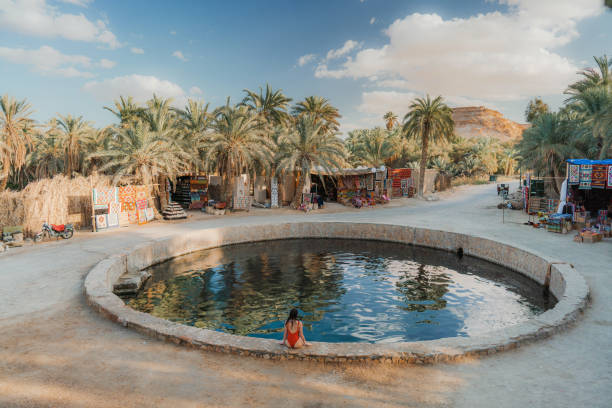
we will take our lunch at a unique restaurant before resuming our road trip to Siwa Oasis. Upon arrival, we will leave our baggage in the eco-lodge and transfer to one of the many natural hot water springs in Siwa Oasis to take a dip that will relax our muscles after a long day's drive. Back to the hotel and overnight.
Overnight in Siwa
Meals: Breakfast & Lunch
Breakfast in the Eco-lodge then you will continue your Siwa Oasis tour from Cairo, enjoy visiting the ruins of the old town of Siwa (Shali). then, you will be transferred to see the Temple of Alexander the Great ( the temple of The Oracle ) at the Aghurmi village dates back to the 26th dynasty and visit the temple of Amun Ra known as the Temple of Um Ubeyda, then experience the priceless Siwan heritage through the Siwa House Museum and lunch will be introduced at the Oasis famous square overlooking Shali at Abdo restaurant you will also visit the Mountain of the Dead ( Jabal el Mawta ) visit the tremendous tombs of the rulers of Siwa Oasis during the 26th dynasty like the tombs of SI Amon, MSW Isis, crocodile tomb, then you will enjoy relaxing afternoon at Cleopatra Spring (Ein Guba) swimming and dipping into the glittering water after that you will be transferred Fitnas Island to enjoy once in the lifetime Sunset view.
Overnight in Siwa
Meals: Breakfast & Lunch
Today is the last day of your Siwa trip. Enjoy your breakfast at the hotel, then you will move back to Cairo hotel to check in and overnight.
Overnight in Cairo
Meals: Breakfast
Breakfast at the hotel is followed by a full day tour, I will meet you at 8 am in the hotel lobby and start our visit to the
The first museum of civilization in the Arab world, the NMEC will present a comprehensive view of Egyptian civilization from prehistory to the present day, taking a multidisciplinary thematic approach designed to highlight Egypt’s tangible and intangible heritage. A museum of a new kind, unknown so far in Egypt and the entire Middle East region, the NMEC’s main goal is to “share knowledge”, to connect with the surrounding Egyptian society and to offer international visitors a richer and deeper insight into the meaning of Egyptian culture through the ages.
Salah Al-Deen (known as Saladin to European historians) overthrew the Fatimid dynasty in 1171 AD, establishing the new Sunni Ayyubid Caliphate. Given the threat of invasion by European crusader armies, Saladin decided to improve the fortifications of the city and in 1176 AD he began construction of a wall that would encircle both Al-Qahira (today Islamic) and Fustat (Old Cairo). Saladin’s Citadel served as the seat of government in Egypt for 700 years until Khedive Ismail moved into Abdin Palace in newly constructed Downtown Cairo in the 1870’s.
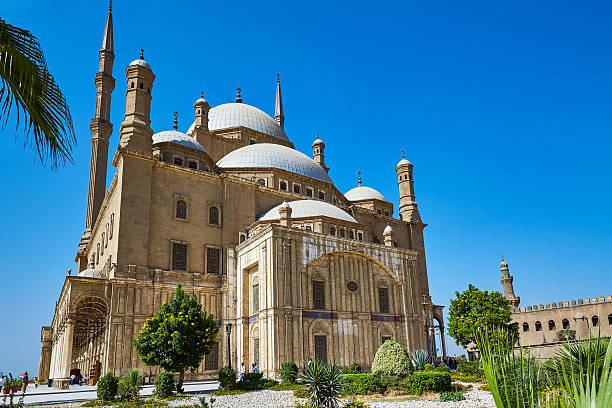
The Mosque of Muhammad Ali is located inside the Citadel of Salah al‑Din al‑Ayyubi (Saladin) in Cairo. It was built by Muhammad Ali Pasha (1220–1264 AH/1805–1848 AD), the founder of the Muhammad Ali Dynasty (1220–1372 AH/1805–1953 AD), on the site of Mamluk palaces. He had these demolished to make room for his new building, which is also known as the "Alabaster Mosque", in reference to its marble paneling on its interior and exterior walls. The mosque’s twin minarets are the highest in all of Egypt, each reaching a height of 84 meters.
It is one of the largest and architecturally exquisite mosques in all of Egypt. It was commissioned by the Mamluk sultan Hasan ibn al-Nasir Muhammad ibn Qalawun sometime between 757 AH/1356 AD and 764 AH/1362 AD, and is located at the end of Muhammad Ali Street, opposite its nineteenth century neighbor al-Rifa’i mosque in Salah al-Din Square.
Mosque of Sultan Hassan is a primal example of the early Islamic Mamluk architecture between 1356 A.D and 1363 A.D. The Mosque is 150m in length and covering 7,906 sq m inland and its walls reach the height of 36 m.
At the end of our day tour, we will start moving back to your hotel and overnight.
A new day starts with breakfast, and then you will be driven catch your flight to Aswan upon arrival you will be met and assisted by our representative who will transfer you to your hotel to check in and rest.
In the afternoon after having lunch in a local restaurant you will get a view of Elephantine Island as you pass by it on a felucca (sailing boat) and then you will visit the Nubia Village and Botanical Island.
Discover the colorful culture of Nubia, one of Africa's oldest civilizations, traveling by felucca sailboat or modern motorboat, you'll meet locals, visit a traditional house, drink tea, and have free time to explore villages independently while Kitchener’s Island, to the west of Elephantine Island, was given to Lord Horatio Kitchener in the 1890s when he was commander of the Egyptian army. Kitchener turned the entire island into the stunning Aswan Botanical Gardens, importing plants from the Far East, India and parts of Africa.
After the end of the tour, you will be driven to your hotel and overnight in Aswan.
Overnight in Aswan Hotel
Meals: Breakfast & Lunch
At the morning, enjoy your breakfast on the cruise then you will join your tour guide to the enchanting “Abu Simbel Temple” which is known to be a true piece of art. The two temples were carved out of the mountainside in 1200 BC during the reign of Pharaoh Ramesses II the second and his wife Queen Nefertari.
Abu Simbel temple complex includes 2 individual temples that were built during the reign of Pharaoh Ramses II. The great temple was built for the king himself to commemorate his coronation and his birthday and it has been built in a very impressive accurate way which makes the whole world await the Sun Festival that occurs only twice a year in the great temple of the Pharaoh to witness the miracle that occurs there. The smaller temple was built as a sign of love & appreciation from the king to his beloved queen Nefertari and she was the only wife of the king for whom he has built a temple.
Lunch will be served in a local restaurant before leaving back to Aswan and rest for a while in your hotel and in the evening we will visit the Nubian Museum where we can enjoy the great artifacts of the Nubians of Egypt and explore an important period of the ancient Egyptian history and Civilization.
Opened in 1997, the Nubian Museum is a belated, but well-executed, tribute to the culture and influence of Nubia and the Nubian people on the history of Egypt. This ancient culture, every bit as old as that of Ancient Egypt, existed along the banks of the Nile for millennia in the areas we call southern Egypt and northern Sudan today.
After your tour finishes you will return back to the hotel and overnight in Aswan.
Overnight in Aswan Hotel
Meals: Breakfast, Lunch
A new day starts with breakfast, and then you will be driven to see the High Dam, the Temples of Philae, the unfinished Obelisk, your visit includes:
At Aswan High Dam, you’ll hear from your tour guide the whole story of its construction and how it helped the Egyptians a lot to improve their economic and social state. Then, you’ll move to witness the miraculous:
Philae Temple was constructed in 690 B.C and it had been relocated with the help of the UNESCO because it was in great danger from the High & Low Dams of Aswan. It was dedicated to goddess Isis.
After finishing these visits, we will enjoy lunch in a local restaurant in Aswan and go back to our hotel and overnight.
Overnight in Aswan Hotel
Meals: Breakfast, Lunch
Morning time, we will pick you up from your hotel in Aswan after having your breakfast, then drive you to Luxor hotel to check in and have some rest then take the chance to enjoy the exploration of the ancient city of Luxor and its impressive architectural heritage monuments, starting with:
Built over two millennia between the years of around 2200 and 360 BCE, Karnak is a massive Ancient Egyptian temple complex that was one of the country's most important places of worship under the rules of Hatshepsut, Seti I, Ramesses II and Ramesses III.
Luxor Temple, Ipet‑resyt “Southern Sanctuary” to the ancient Egyptians, was so called because of its location within ancient Thebes (modern Luxor).
Enjoy Luxor Tours Watching Karnak Temple Sound and Light Show on the east bank illuminated at night with an audio-visual show that will explain how the temple was built and what life was like in Ancient Egypt. We will give you the chance to discover how life has been thousands of years ago? You will know about them through the splendid Sound and Light Show at the Karnak Temples. This spectacle will take about 75-minute first takes you around the temple grounds, and finally, the last act is played while you are seated along the Great Sacred Lake.
Overnight in Luxor
Meals: Breakfast & Lunch
In the beautiful morning from your Nile Cruise in Luxor, our tour guide will meet you to take you to enjoy a journey in the west bank of Luxor where you will visit:
The rulers of the Eighteenth, Nineteenth, and Twentieth Dynasties of Egypt’s prosperous New Kingdom (c.1550–1069 BC) were buried in a desolate dry river valley across the river from the ancient city of Thebes (modern Luxor), hence its modern name of the Valley of the Kings. This moniker is not entirely accurate, however, since some members of the royal family aside from the king were buried here as well, as were a few non-royal, albeit very high-ranking, individuals.
The tomb of the Eighteenth Dynasty king Tutankhamun (c.1336–1327 BC) is world-famous because it is the only royal tomb from the Valley of the Kings that was discovered relatively intact. Its discovery in 1922 by Howard Carter made headlines worldwide, and continued to do so as the golden artifacts and other luxurious objects discovered in this tomb.
This tomb was begun by King Ramesses V (c.1147–1143 BC) of the Twentieth Dynasty. Although it is uncertain whether he was ultimately buried here, it is clear that his uncle Ramesses VI (c.1143–1136 BC) enlarged the tomb and used it.
The tomb of Sety I is one of the longest, deepest, and most beautifully decorated tombs in the Valley of the Kings. Sety I (c.1294–1279 BC) was the second king of the Nineteenth Dynasty, and father of Ramesses II (the Great). His tomb, number 17 in the Valley of the Kings, is sometimes called “Belzoni’s tomb” after its discoverer.
The second-largest tomb in the valley, Merenptah’s tomb has been open since antiquity and has its share of Greek and Coptic graffiti. Floods have damaged the lower part of the walls of the long tunnel-like tomb, but the upper parts have well-preserved reliefs. The corridors are decorated with the Book of the Dead, the Book of Gates and the Book of Amduat. Beyond a shaft is a false burial chamber with two pillars decorated with the Book of Gates.
One of the most popular tombs in the valley, KV 11 is also one of the most interesting and best preserved. Originally started by Sethnakht (1186–1184 BC), the project was abandoned when workers hit the shaft of another tomb (KV10). Work resumed under Ramses III (1184–1153 BC), the last of Egypt’s warrior pharaohs, with the corridor turning to the right, then left. It continues deep (125m overall) into the mountain and opens into a magnificent eight-pillared burial chamber.
Originally intended to be much larger, KV 2 was cut short at 89m on the early death of the pharaoh (1147 BC) and a pillared hall was converted to be the burial chamber. The sarcophagus is in place with a magnificent goddess Nut filling the ceiling above it. Close to the entrance of the valley, this tomb was opened in antiquity and inhabited (there is Greek, Roman and Coptic graffiti), and used as a hotel by many 18th- and 19th-century visitors.
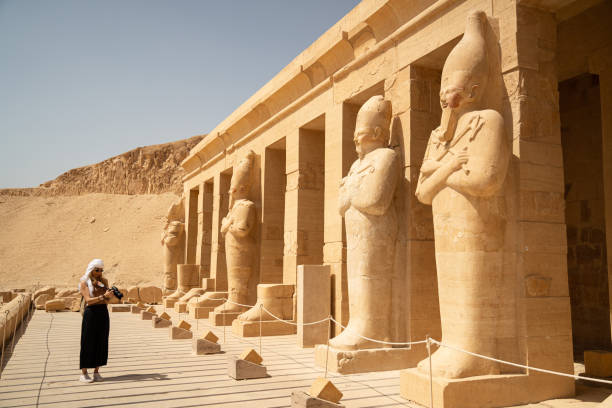
Hatshepsut (c.1473–1458 BC), the queen who became Pharaoh, built a magnificent temple at Deir al-Bahari, on the west back of Luxor. It lies directly across the Nile from Karnak Temple, the main sanctuary of the god Amun. Hatshepsut’s temple, Djeser-djeseru “the Holy of Holies” was designed by the chief steward of Amun, Senenmut.
These two faceless colossi (the plural of colossus, which just means larger-than-life statue) are the first thing visitors see when they reach the west bank of the Nile opposite Luxor. This isn't surprising when you hear their dimensions: they tower 60 feet (18 m) above the plains and are estimated to weigh an enormous 720 tons each.
Your lunch will be served in a local restaurant before we go and check in at your hotel in Luxor and overnight.
Overnight in Luxor Hotel
Meals: Breakfast, Lunch
Start your day tour to Luxor west bank where we will pick up you from your Nile Cruise in Luxor after checking out to witness the real magnificence ancient Egyptian attractions through visiting:
The Valley of the Queens, located in a neighboring wadi, or valley, to the necropolis of the Pharaohs, is home to the tombs of the royal women of the New Kingdom of Ancient Egypt. The wives of Pharaohs, princesses and even a handful of princes were buried here from the 18th through to the 20th dynasties.
The temple, some 150 m (490 ft) long, is of orthodox design, and closely resembles the Ramesseum. It is quite well preserved and surrounded by a massive mudbrick enclosure, which may have been fortified. The original entrance is through a fortified gate-house, known as a migdol (and resembling an Asiatic fortress).
Deir El Medina has been the village of the workers who used to work in the archeological site of the tombs of the pharaohs. It was the home to many craftsmen & artisans of Thebes who were responsible for building and decorating the great royal tombs of the kings in both the valleys of the Kings & the Queens.
Built over two millennia between the years of around 2200 and 360 BCE, Karnak is a massive Ancient Egyptian temple complex that was one of the country's most important places of worship under the rules of Hatshepsut, Seti I, Ramesses II and Ramesses III.
After finishing our day, we will have our lunch in one of the local restaurants and then drive to your Luxor hotel.
Overnight in Luxor Hotel
Meals: Breakfast, Lunch
After breakfast, I will pick you up from your hotel in Luxor to discover the ancient sites. First, visit Abydos, the ancient Egyptian believed of God (Lord of the underworld) to be buried there. The temple was built by King Seti I, and completed by King Ramses II, known as the temple of Seti I. It is located in Abydos city about 420 km to the south of Cairo in Sohag Government, and 135 km from Luxor. The paintings of the Gods and Pharaohs on the walls of the Osiris Temple at Abydos are among the most beautifully preserved in Egypt.
The temple of Seti I was built on entirely new ground half a mile to the south of the long series of temples just described. This surviving building is best known as the Great Temple of Abydos, being nearly complete and an impressive sight. A principal purpose of the temple was to serve as a memorial to king Seti I, as well as to show reverence for the early pharaohs, which is incorporated within as part of the "Rite of the Ancestors".
Then you will head to have your delicious lunch at a local restaurant, have nice pictures and finally, you will visit:
The temple that dominates this complex, the structure that commands the attention of those who visit, is the Temple of Hathor. The original temple structure underwent continuous modifications throughout the Middle Kingdom and up until the beginning of the reign of the Roman emperor Trajan. The existing temple's structure began construction in 54 B.C.E, the late Ptolemaic period, under the reign of Ptolemy Auletes. The hypostyle hall was built in the Roman period under Tiberius.
Now our representative will take you back to your hotel or Nile Cruise in Luxor to finish your unforgettable day trip.
Overnight in Luxor hotel
Meals: Breakfast & Lunch
Your day starts with breakfast at the hotel and followed by check out then you will transfer to Luxor Airport to catch your flight back to Cairo. Once you arrive you will be taken to your hotel and the rest of the day is yours to relax.
Overnight in Cairo hotel
Meals: Breakfast
Around 10 am our guide will pick you up from your hotel to start your Cairo streets tour Visit Bab Zuwayla which is an ancient gate of Cairo. Outside the gate, you can see the mosque of Al-Saleh Talai’e. You will get the chance to climb up the stairs and reach it’s top to see a fascinating view of the minarets of a wide range of Cairo.
Immerse yourself in the vibrant heart of Old Cairo on this unforgettable street tour. From ancient city gates to lively bazaars, this experience brings Egypt’s Islamic heritage to life. As you walk through historic streets, you will discover centuries of architecture, culture, and daily life—still thriving today.
Your Cairo city tour begins with a convenient hotel pickup. First, you arrive at Bab Zuwayla, one of Cairo’s last remaining medieval gates. From here, you can climb to the top and enjoy breathtaking views of countless minarets stretching across the city skyline.
Just outside the gate, admire the elegant Mosque of Al-Saleh Tala’i, one of Cairo’s earliest suspended mosques.
Next, step inside the impressive Sultan Al-Mo’ayyad Mosque, uniquely built beside the ancient gate. Afterward, stroll through the lively cloth market near Ghouri Street, where colorful textiles, pure cotton garments, and local fruits fill the air with energy.
Soon after, visit the remarkable Sultan Al Ghouri Complex, located near Al-Azhar Mosque and rich with Mamluk architectural beauty.
Al Muizz Street & Qalawun Complex
As you continue, walk along Al Muizz Street, one of the oldest streets in Cairo. Here, you’ll admire extraordinary Islamic architecture dating from the 13th to 15th centuries.
Additionally, explore the magnificent Qalawun Complex, a masterpiece from the Mamluk era. Along the way, pass traditional copper, silver, and gold workshops, where artisans still practice centuries-old crafts.
Later, visit the historic Souhaimy House, once home to hundreds of Al-Azhar students. This beautifully preserved residence offers a glimpse into daily life in old Islamic Cairo.
Finally, arrive at the legendary Khan El Khalili Bazaar. Relax at a traditional café, sip tea or coffee, and soak in the atmosphere before returning comfortably to your hotel.
Enjoy your lunch and it will be served at a local restaurant after the day tour. Then return to your hotel and overnight in Cairo.
Overnight in Cairo Hotel
Meals: Breakfast, Lunch
Your final day starts with breakfast at the hotel followed by check-out. You will then be transferred to the airport for your final departure.
Meals: Breakfast
Hear from travelers who trusted us to create unforgettable journeys and memories.
"The Egypt tour exceeded all my expectations. Our guide was incredibly knowledgeable and the accommodations were fantastic. A truly unforgettable experience!"
New York, USA
"The Nile cruise was absolutely magical. Waking up to the sunrise over the Nile and visiting ancient temples was a dream come true. Highly recommend!"
London, UK
"Petra at night was breathtaking. The candlelit path through the Siq to the Treasury is something everyone should experience. Thank you for organizing such a perfect trip!"
Sydney, Australia
"From the Pyramids to the Red Sea, every moment was perfectly planned. The team was professional and attentive. Can't wait to book our next adventure!"
Toronto, Canada
"The diving in Hurghada was world-class. Crystal clear waters, vibrant coral reefs, and an incredible variety of marine life. Best diving experience of my life!"
Berlin, Germany
Discover more amazing tours similar to this one.