
Featured
✨ Indulge in an ultra-luxury 3-day private journey through Aswan and Luxor by air. Discover Egypt’s most iconic temples and royal tombs with VIP service, elegant transfers, expert private guiding, and a seamless first-class travel experience.
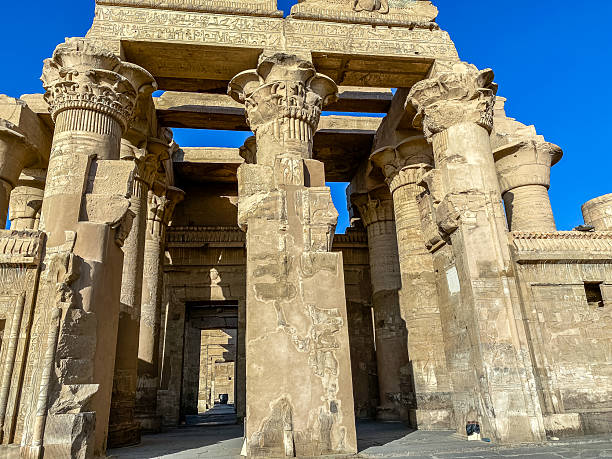
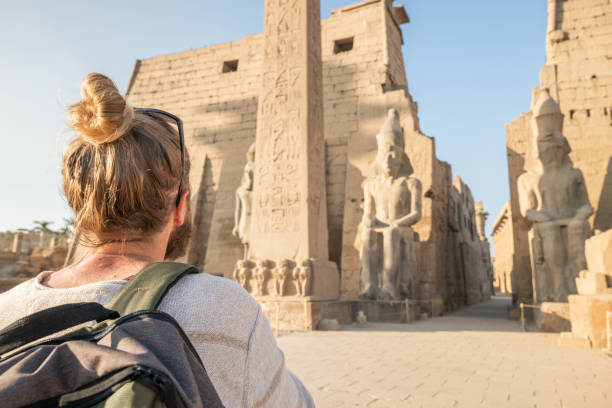
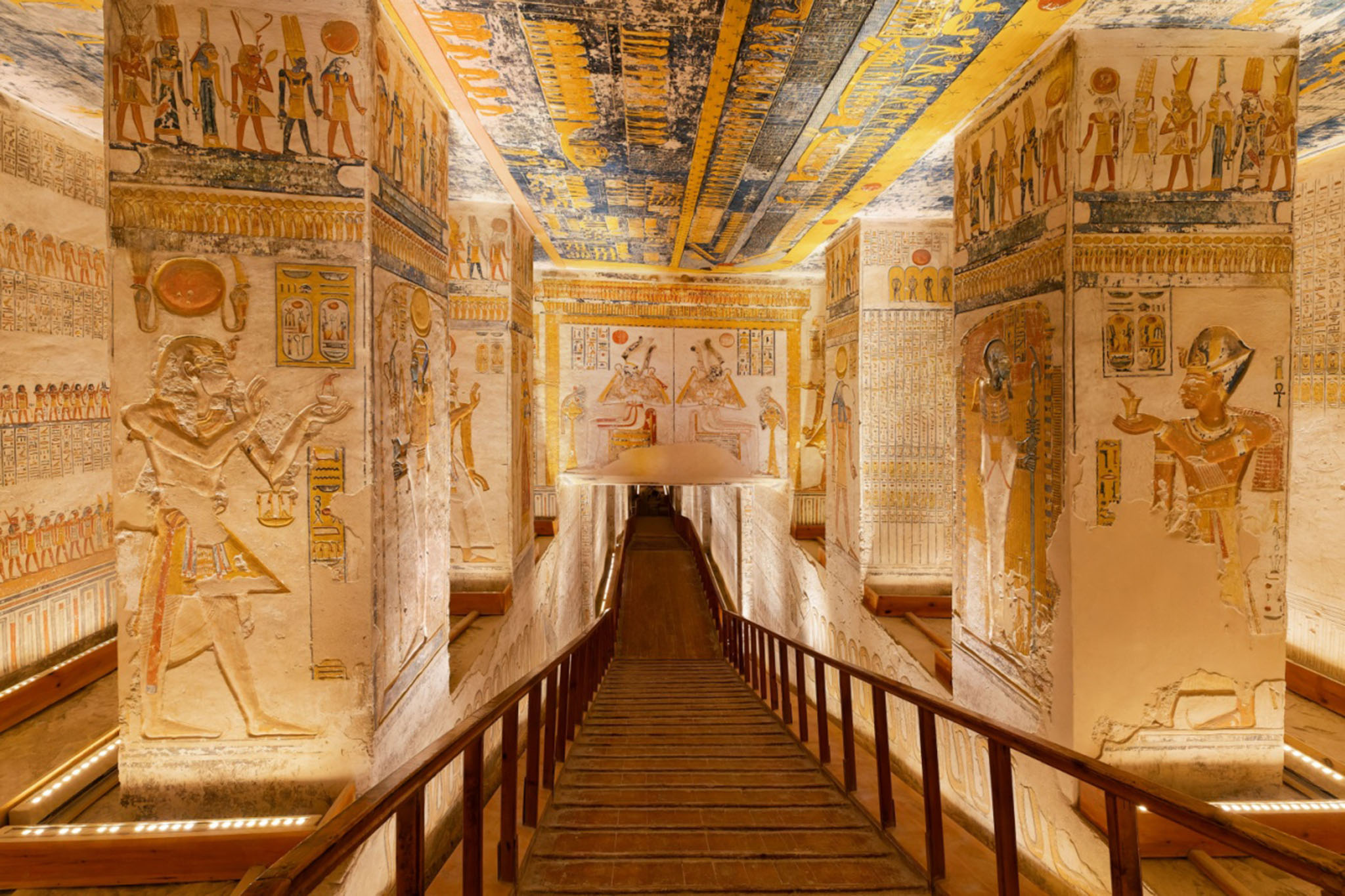
Step into a world of elegance, exclusivity, and timeless beauty with this 03 Days Ultra-Luxury Aswan & Luxor Tour by Air. Designed for discerning travelers, this private VIP experience combines Egypt’s most celebrated monuments with premium comfort, personalized service, and effortless travel from beginning to end.
From the graceful beauty of Aswan to the monumental grandeur of Luxor, this bespoke journey reveals the soul of Upper Egypt in the most refined way. Every moment is carefully curated to offer privacy, sophistication, and authentic cultural depth. As a result, you do not simply visit ancient Egypt — you experience it with distinction.
Luxury begins the moment your journey starts. With domestic flights between destinations, you enjoy the fastest and most comfortable way to discover Upper Egypt. Instead of spending valuable time on long transfers, you travel smoothly and efficiently, allowing more time for immersive experiences and exceptional moments.
Moreover, every element of this VIP tour is designed for ease and exclusivity. Enjoy private airport assistance, luxury air-conditioned transfers, and dedicated personal service throughout your stay. Therefore, your journey feels polished, effortless, and entirely tailored to your comfort.
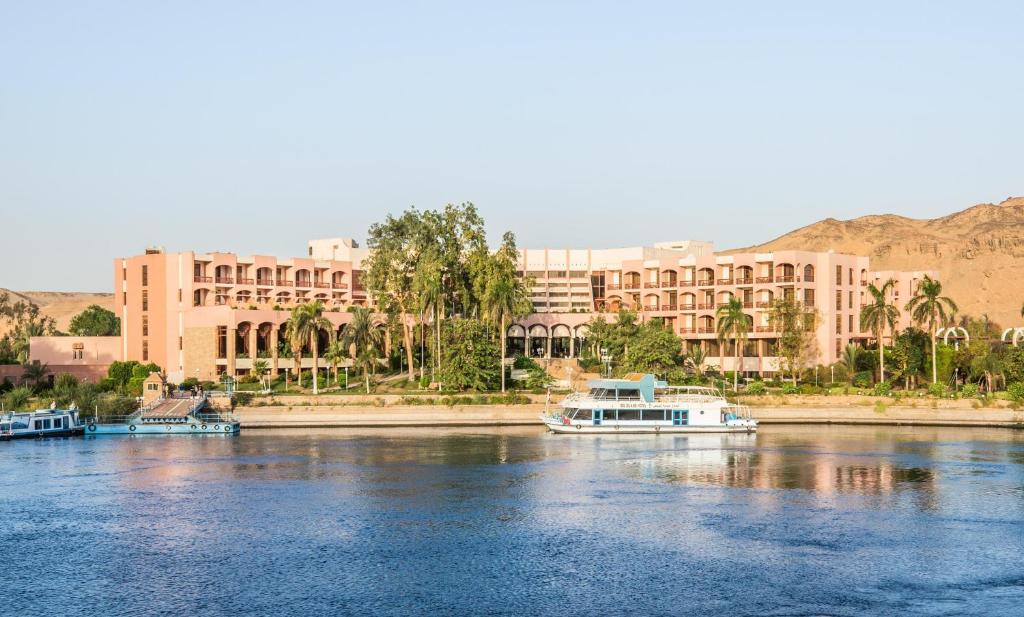
Aswan is Egypt at its most graceful. Set along one of the most beautiful stretches of the Nile, this charming southern city offers serenity, heritage, and refined beauty in equal measure. Its warm light, island scenery, and rich cultural atmosphere create the perfect setting for an ultra-luxury escape.
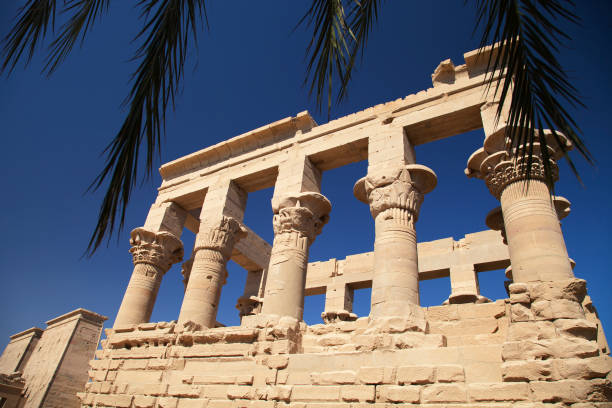
One of the highlights of your private experience is the magnificent Philae Temple, one of Egypt’s most romantic and enchanting sanctuaries. Beautifully situated on an island, this sacred site invites you into a world of mythology, devotion, and architectural splendor. In addition, Aswan’s relaxed atmosphere, elegant Nile views, and distinctive Nubian character make it a destination of remarkable charm and sophistication.
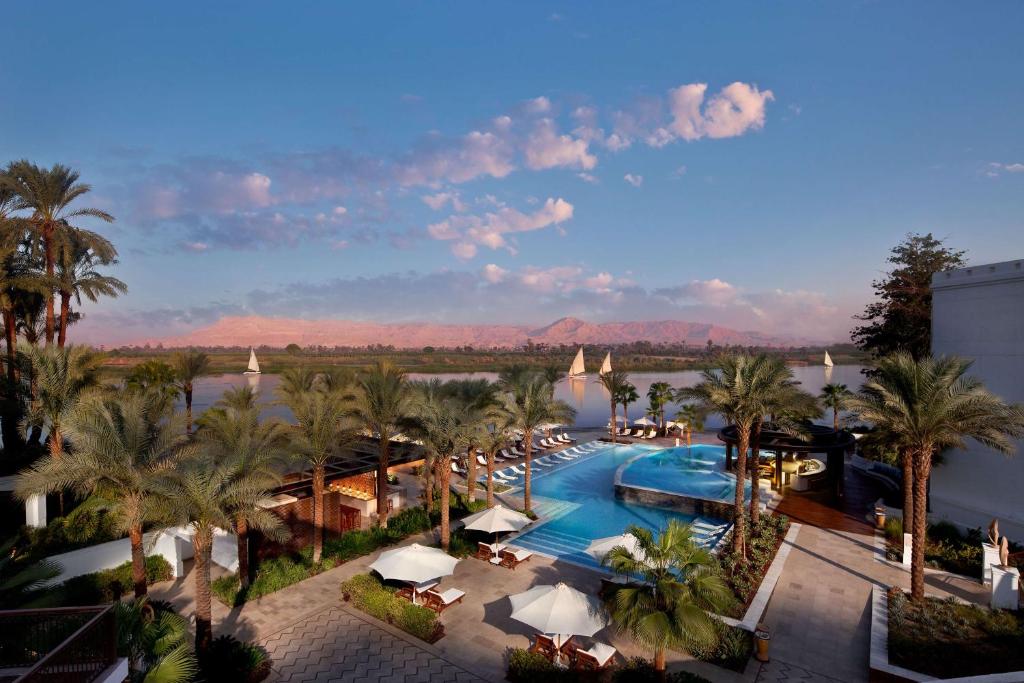
Luxor is the crown jewel of ancient Egyptian civilization. Revered as the world’s greatest open-air museum, it is a place where history rises on a monumental scale. Here, every temple, avenue, and tomb reflects the power, vision, and eternal legacy of the pharaohs.
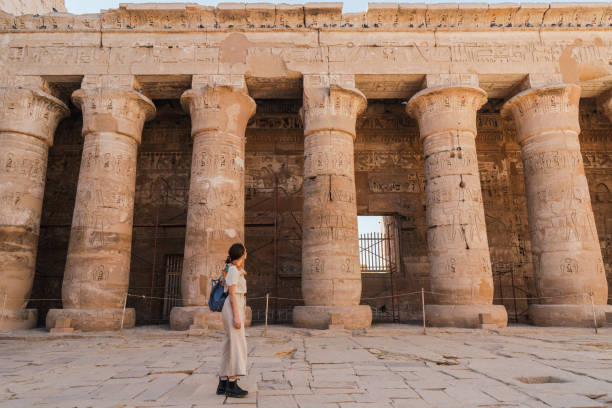
Explore the awe-inspiring Karnak Temple, where towering columns, sacred courts, and monumental reliefs create one of the most impressive religious complexes ever built. Then continue to the legendary Valley of the Kings, where the rulers of the New Kingdom were laid to rest in hidden royal tombs filled with symbolism, beauty, and mystery.
Furthermore, Luxor offers a rare sense of grandeur that few destinations in the world can match. It is not only a place to see — it is a place to feel, admire, and remember.
This Ultra-Luxury Aswan & Luxor by Air experience is designed for travelers who value privacy, refinement, and flawless execution. It is ideal for couples, VIP guests, luxury families, honeymooners, and sophisticated travelers seeking an elevated way to discover Egypt.
Because this tour blends private guided touring, premium logistics, fast domestic flights, and exclusive service standards, it offers a level of comfort that transforms sightseeing into a truly luxurious journey. Every detail is handled with care, discretion, and professionalism, so you can simply relax and enjoy Egypt at its finest.
🛩️ Enjoy an ultra-luxury 3-day private journey through Aswan and Luxor by air
👑 Travel with VIP service, private assistance, and premium attention to every detail
🌊 Discover the refined beauty of Aswan, one of Egypt’s most elegant Nile destinations
🏛️ Visit the breathtaking Philae Temple, beautifully set on an island in the Nile
✨ Explore Luxor, home to some of the most spectacular monuments of ancient Egypt
🏺 Marvel at the monumental grandeur of Karnak Temple
⚱️ Step into the legendary Valley of the Kings and discover royal pharaonic tombs
🚘 Relax with private luxury air-conditioned transfers throughout the journey
🎓 Enjoy the insights of a private expert Egyptologist guide
💼 Benefit from a seamless travel experience with carefully curated VIP arrangements
📸 Capture extraordinary moments at Egypt’s most iconic and prestigious historical sites
✨ Designed for wealthy travelers seeking privacy, elegance, and exclusivity
✨ Perfect for guests who want Egypt’s top highlights without compromising on comfort
✨ Combines luxury travel, ancient heritage, and personalized service in one short escape
✨ Saves time with domestic flights while maximizing your experience
✨ Offers a more intimate and elevated alternative to standard sightseeing packages
✨ Ideal for VIP holidays, special occasions, luxury couples’ escapes, and executive travel
Your journey is designed around comfort, flexibility, and personal attention. From arrival to departure, every service is arranged to deliver a smooth and elegant experience.
Enjoy well-organized domestic travel, private airport transfers, and a stress-free touring experience with professional coordination throughout the trip.
Discover Upper Egypt with a knowledgeable private guide who brings each temple, tomb, and monument to life with insight, elegance, and cultural depth.
Travel between sites in a private luxury air-conditioned vehicle, allowing you to relax in comfort while enjoying every part of your journey.
This tour is ideal for travelers who prefer a more refined pace, private touring, and a premium level of service away from large groups and rushed schedules.
Choose breathable, stylish clothing suitable for warm weather, along with comfortable premium walking shoes for temple and tomb visits. A light layer is useful during cooler winter mornings and evenings.
Upper Egypt is sunny throughout most of the year. Therefore, sunglasses, sunscreen, and a hat are essential for a comfortable and polished travel experience.
Aswan and Luxor are exceptionally photogenic. Bring your phone or camera fully charged so you never miss a spectacular temple view, Nile scene, or unforgettable cultural moment.
While touring, keep water with you and stay hydrated, especially during outdoor visits in Luxor and Aswan.
For a smooth flight experience, keep your passport, valuables, medication, and personal essentials in your hand luggage.
Although luxury hotels and many venues accept cards, it is still practical to carry some cash for personal purchases, tips, or optional extras.
This 03 Days Ultra-Luxury Aswan & Luxor Tour by Air is more than a short holiday — it is a private invitation into the grandeur of ancient Egypt, presented with elegance, comfort, and exceptional care.
It is the perfect choice for travelers who appreciate history, but also expect a higher standard of travel. Most importantly, it allows you to experience the beauty of Aswan and the majesty of Luxor in a way that feels intimate, seamless, and truly distinguished.
If you are ready to explore Aswan and Luxor in exceptional style, this ultra-luxury journey is made for you. Contact us today to arrange your private VIP Egypt tour by air and enjoy an unforgettable experience shaped by exclusivity, comfort, and timeless wonder.
Included Activities: Aswan High Dam – Philae Island Temples – the Unfinished Obelisk – Nubia Village
A new day starts with breakfast, and then you will be driven catch your flight to Aswan where your guide will take you to see the High Dam, the Temples of Philae, the unfinished Obelisk, check in your hotel and have lunch and then visit The Nubian village Your visit includes:
Aswan High Dam
At Aswan High Dam, you’ll hear from your tour guide the whole story of its construction and how it helped the Egyptians a lot to improve their economic and social state. Then, you’ll move to witness the miraculous.
The Unfinished Obelisk
The Unfinished Obelisk was supposed to be standing in front of Hatshepsut Temple but some cracks happened to it which leads Queen Hatshepsut to order her men to move it to Aswan and it is characterized with its majestic size.
Philae Temples
Philae Temple was constructed in 690 B.C and it had been relocated with the help of the UNESCO because it was in great danger from the High & Low Dams of Aswan. It was dedicated to goddess Isis.
The Nubian Village
The Nubian Village in Aswan is a vibrant, colorful, and culturally rich attraction located on the west bank of the Nile, mainly known for villages like Gharb Soheil. Visitors experience traditional Nubian hospitality, bright, mud-brick houses, local cuisine, henna tattoos, and exotic handicrafts, often reached via a scenic motorboat ride on the Nile. Then back to your Nile Cruise. Dinner will be served onboard and overnight in Aswan.
Overnight in Aswan
Meals: Lunch
Included Activities: ( The Temple Of Horus – The Temple of Sobek)
Enjoy a scenic day trip from Aswan to explore two of Upper Egypt’s most remarkable temples. First, visit the unique Temple of Kom Ombo, dedicated to Sobek the crocodile god and Horus. Then, continue to the beautifully preserved Temple of Edfu, one of Egypt’s best-kept ancient temples. Along the way, travel comfortably by car and enjoy views of the Nile and rural landscapes to Luxor
The temple of Sobek in Kom Ombo
The Temple of Kom Ombo is an unusual double temple in the town of Kom Ombo in Aswan Governorate, Upper Egypt. It was constructed during the Ptolemaic dynasty, 180–47 BC. Some additions to it were later made during the Roman period. The building is unique because its 'double' design meant that there were courts, halls, sanctuaries and rooms duplicated for two sets of gods.
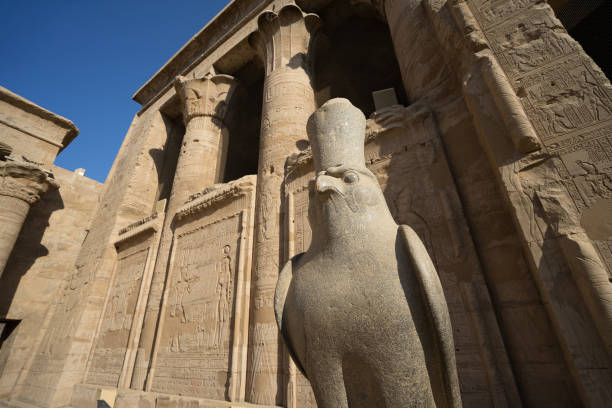
Edfu Temple
Edfu temple which was dedicated to Horus, the son of Isis and Osiris and its walls are really impressive with its inscriptions and pictures showing Horus having his revenge from Seth the brother of his father Osiris. It is the best preserved and most complete in Egypt temple and second largest after Karnak.
The Temple of Luxor
Luxor Temple, Ipet‑resyt “Southern Sanctuary” to the ancient Egyptians, was so called because of its location within ancient Thebes (modern Luxor). It is located around three kilometers to the south of Karnak Temple, to which it was once linked with a processional way bordered with sphinxes. The oldest evidence for this temple dates to the Eighteenth Dynasty (c.1550–1295 BC). After finishing your last visit you will be driven to your hotel to check in and Overnight.
Overnight in Luxor Hotel
Meals: Breakfast, Lunch
Included Activities: Hatshepsut Temple – Colossi of Memnon – 6 tombs in the Valley of the Kings (Tut Ankh Amun – Seti I – Ramses V – Merenptah – Ramses III – Tausert and Seth Nakht – Karnak)
In the beautiful morning after breakfast, our tour guide will meet you to take you to enjoy a journey in the west bank of Luxor where you will visit:
The Valley of the Kings
The rulers of the Eighteenth, Nineteenth, and Twentieth Dynasties of Egypt’s prosperous New Kingdom (c.1550–1069 BC) were buried in a desolate dry river valley across the river from the ancient city of Thebes (modern Luxor).
The Tomb of King Tut Ankh Amun
The tomb of the Eighteenth Dynasty king Tutankhamun (c.1336–1327 BC) is world-famous because it is the only royal tomb from the Valley of the Kings that was discovered relatively intact. Its discovery in 1922 by Howard Carter made headlines worldwide, and continued to do so as the golden artifacts and other luxurious objects discovered in this tomb.
The Tomb of King Ramses VI
This tomb was begun by King Ramesses V (c.1147–1143 BC) of the Twentieth Dynasty. Although it is uncertain whether he was ultimately buried here, it is clear that his uncle Ramesses VI (c.1143–1136 BC) enlarged the tomb and used it.
The Tomb of King Seti I
The tomb of Sety I is one of the longest, deepest, and most beautifully decorated tombs in the Valley of the Kings. Sety I (c.1294–1279 BC) was the second king of the Nineteenth Dynasty, and father of Ramesses II (the Great). His tomb, number 17 in the Valley of the Kings, is sometimes called “Belzoni’s tomb” after its discoverer.
The Tomb of King Merenptah
The second-largest tomb in the valley, Merenptah’s tomb has been open since antiquity and has its share of Greek and Coptic graffiti. Floods have damaged the lower part of the walls of the long tunnel-like tomb, but the upper parts have well-preserved reliefs. The corridors are decorated with the Book of the Dead, the Book of Gates and the Book of Amduat. Beyond a shaft is a false burial chamber with two pillars decorated with the Book of Gates.
The Tomb of King Ramses III
One of the most popular tombs in the valley, KV 11 is also one of the most interesting and best preserved. Originally started by Sethnakht (1186–1184 BC), the project was abandoned when workers hit the shaft of another tomb (KV10). Work resumed under Ramses III (1184–1153 BC), the last of Egypt’s warrior pharaohs, with the corridor turning to the right, then left. It continues deep (125m overall) into the mountain and opens into a magnificent eight-pillared burial chamber.
The Tomb of Tausert & Seth Nakht
Tomb KV14 is a joint tomb, used originally by Tausert and then reused and extended by Setnakhte. It has been open since antiquity, but was not properly recorded until Hartwig Altenmüller excavated it from 1983 to 1987. Located in the main body of the Valley of the Kings, it has two burial chambers, the later extensions making the tomb one of the largest of the Royal Tombs, at over 112 meters long.
The Temple of Hatshepsut
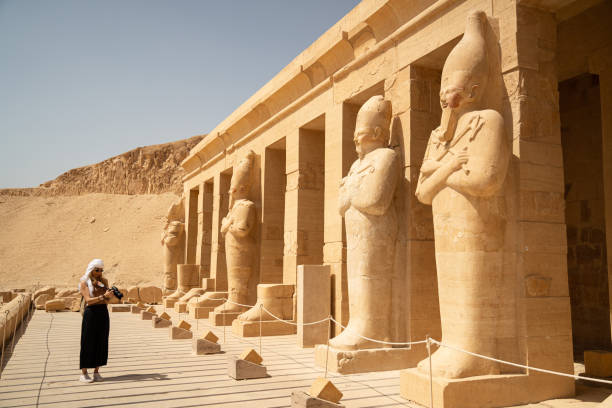
Hatshepsut (c.1473–1458 BC), the queen who became Pharaoh, built a magnificent temple at Deir al-Bahari, on the west back of Luxor. It lies directly across the Nile from Karnak Temple, the main sanctuary of the god Amun. Hatshepsut’s temple, Djeser-djeseru “the Holy of Holies” was designed by the chief steward of Amun, Senenmut.
The Colossi of Memnon
These two faceless colossi (the plural of colossus, which just means larger-than-life statue) are the first thing visitors see when they reach the west bank of the Nile opposite Luxor. This isn't surprising when you hear their dimensions: they tower 60 feet (18 m) above the plains and are estimated to weigh an enormous 720 tons each.
The Complex of Karnak Temples
Built over two millennia between the years of around 2200 and 360 BCE, Karnak is a massive Ancient Egyptian temple complex that was one of the country's most important places of worship under the rules of Hatshepsut, Seti I, Ramesses II. Enjoy your lunch and it will be served at a local restaurant after the day tour. Then drive to Luxor airport to catch your flight to Cairo once you arrive you will be driven to your hotel and overnight in Cairo.
Overnight in Cairo Hotel
Meals: Breakfast, Lunch
Hear from travelers who trusted us to create unforgettable journeys and memories.
"The Egypt tour exceeded all my expectations. Our guide was incredibly knowledgeable and the accommodations were fantastic. A truly unforgettable experience!"
New York, USA
"The Nile cruise was absolutely magical. Waking up to the sunrise over the Nile and visiting ancient temples was a dream come true. Highly recommend!"
London, UK
"Petra at night was breathtaking. The candlelit path through the Siq to the Treasury is something everyone should experience. Thank you for organizing such a perfect trip!"
Sydney, Australia
"From the Pyramids to the Red Sea, every moment was perfectly planned. The team was professional and attentive. Can't wait to book our next adventure!"
Toronto, Canada
"The diving in Hurghada was world-class. Crystal clear waters, vibrant coral reefs, and an incredible variety of marine life. Best diving experience of my life!"
Berlin, Germany
Discover more amazing tours similar to this one.