
Featured
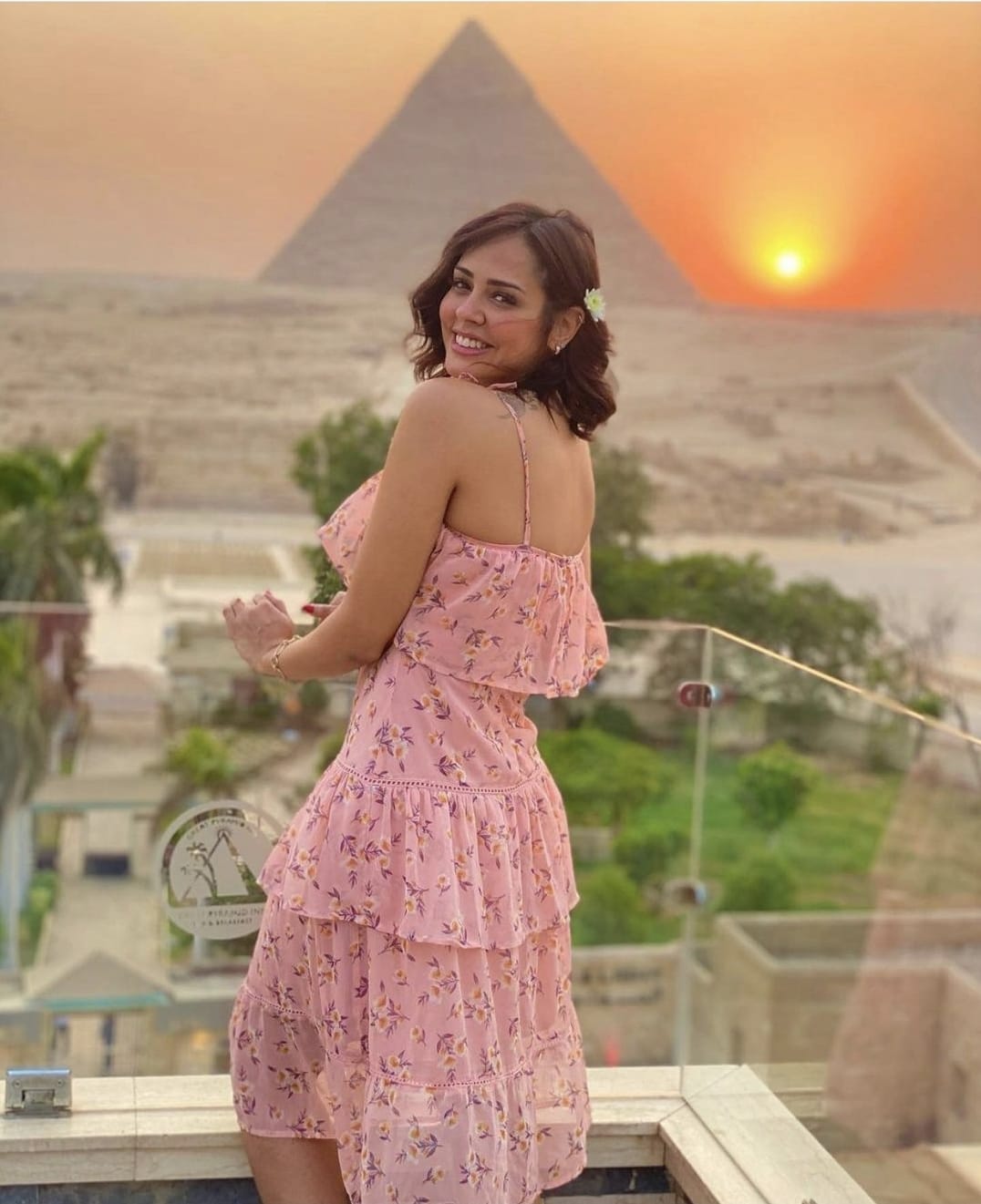
Experience Egypt in 21 unforgettable days, combining Cairo’s history, a Nile Cruise, Hurghada’s beaches, and Alexandria’s Mediterranean charm.

Embark on a 21-day journey across Egypt’s most iconic destinations. From the vibrant capital of Cairo to the Mediterranean beauty of Alexandria, every stop offers something unique. Moreover, this itinerary blends culture, relaxation, and adventure into one seamless experience.
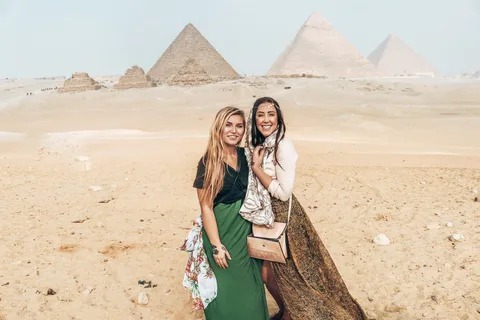
Start your adventure in Cairo, where ancient history meets modern life. Visit the pyramids, historic mosques, and world-class museums, including the Grand Egyptian Museum. In addition, explore vibrant bazaars and cultural landmarks. As a result, you gain a deep connection to Egypt’s rich heritage.
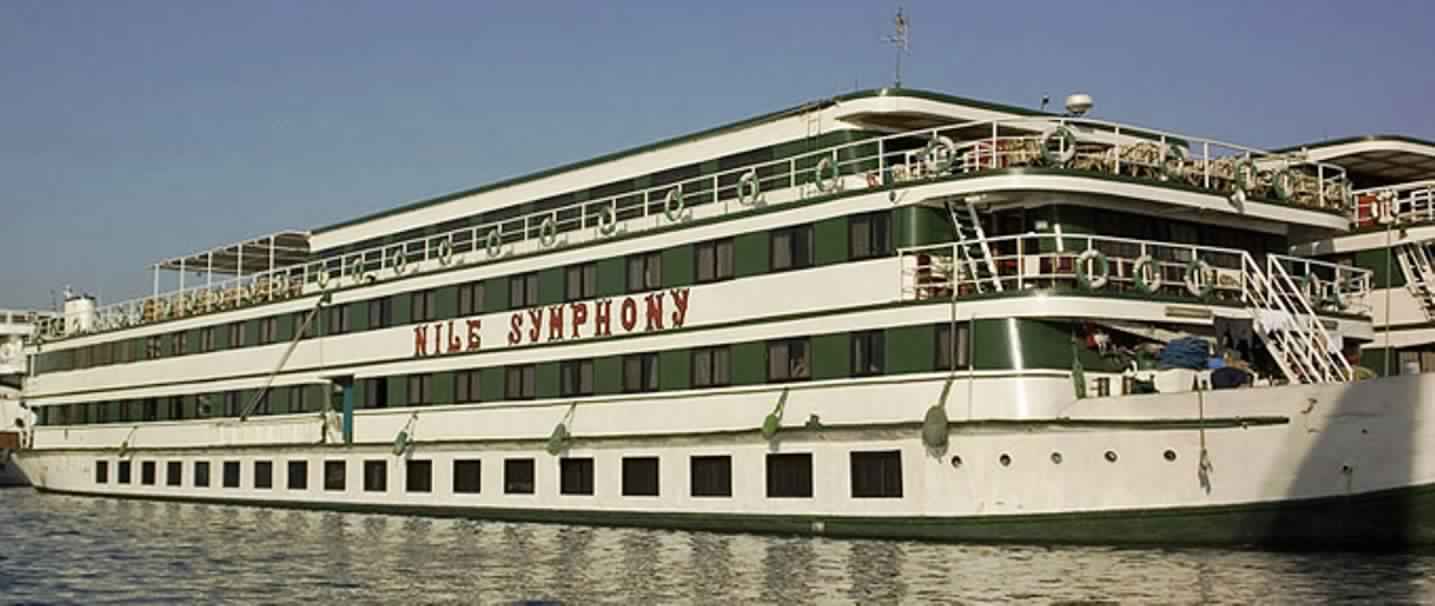
Next, fly to Upper Egypt and begin your Nile Cruise between Luxor and Aswan. As you sail along the Nile, discover magnificent temples such as Karnak, Luxor, Kom Ombo, and Philae. Furthermore, enjoy onboard comfort, delicious meals, and scenic views. Therefore, every moment becomes both relaxing and enriching.
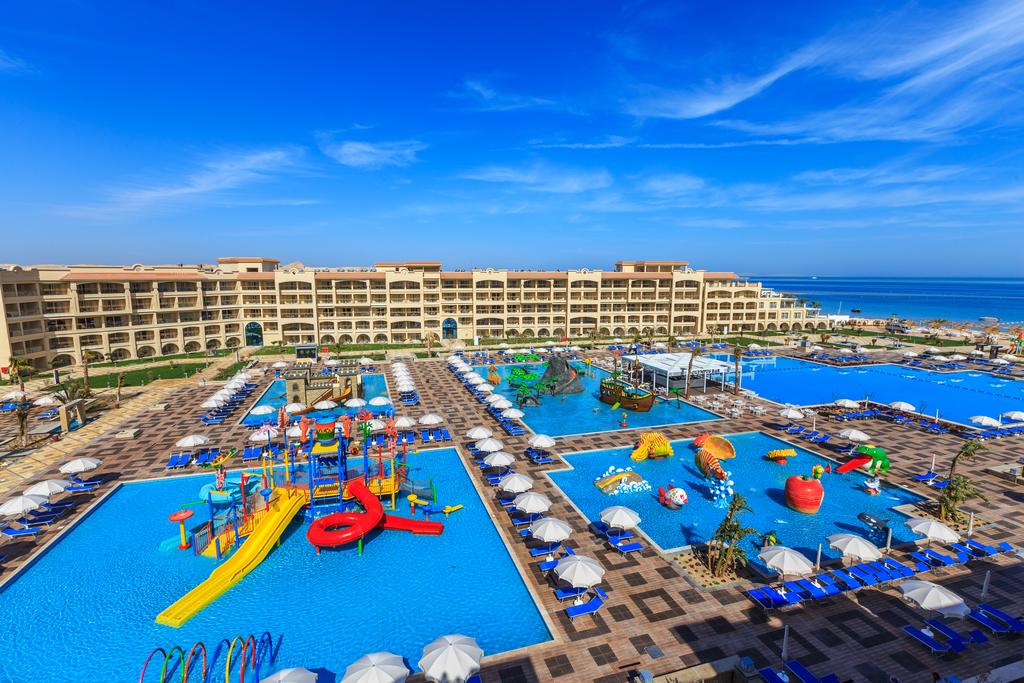
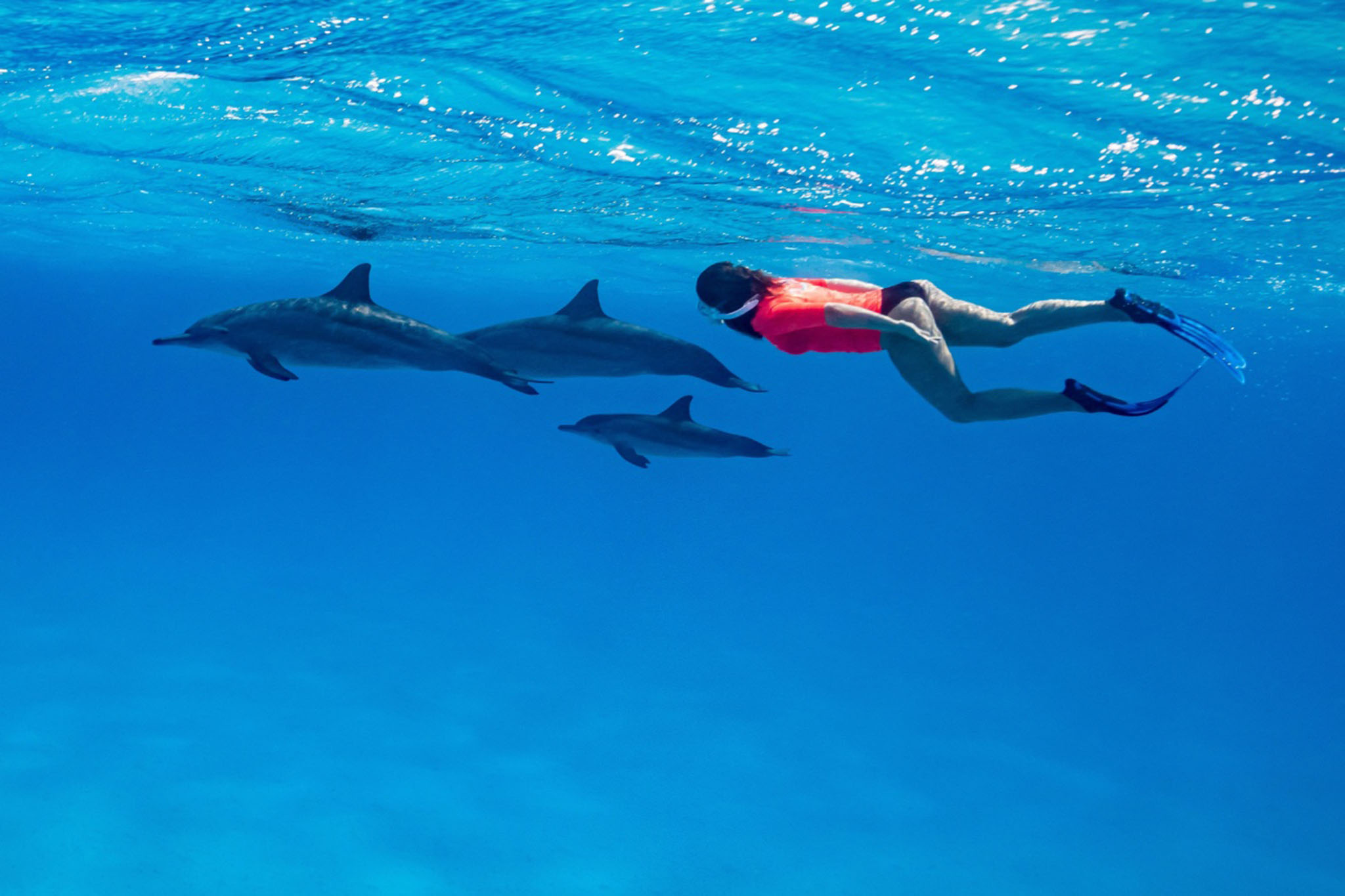
After your cultural journey, head to Hurghada on the Red Sea coast. Here, you can unwind on sandy beaches, swim in crystal-clear waters, or enjoy snorkeling and diving. In addition, luxury resorts provide the perfect environment for relaxation.
Finally, visit Alexandria, where Mediterranean charm meets history. Explore landmarks such as the Bibliotheca Alexandrina and the Citadel of Qaitbay. Consequently, you experience a different side of Egypt’s culture and heritage.
In conclusion, this 21-day tour offers the perfect balance of exploration, relaxation, and luxury. It is ideal for travelers who want to experience Egypt in depth while enjoying comfort and premium service.
🏺 Explore Cairo’s pyramids and museums
🚢 Enjoy a scenic Nile Cruise (Luxor–Aswan)
🏛️ Visit Karnak, Luxor, Philae & Kom Ombo temples
🌊 Relax in Hurghada’s Red Sea resorts
🌅 Discover Alexandria’s Mediterranean landmarks
🧭 Guided tours with expert Egyptologists
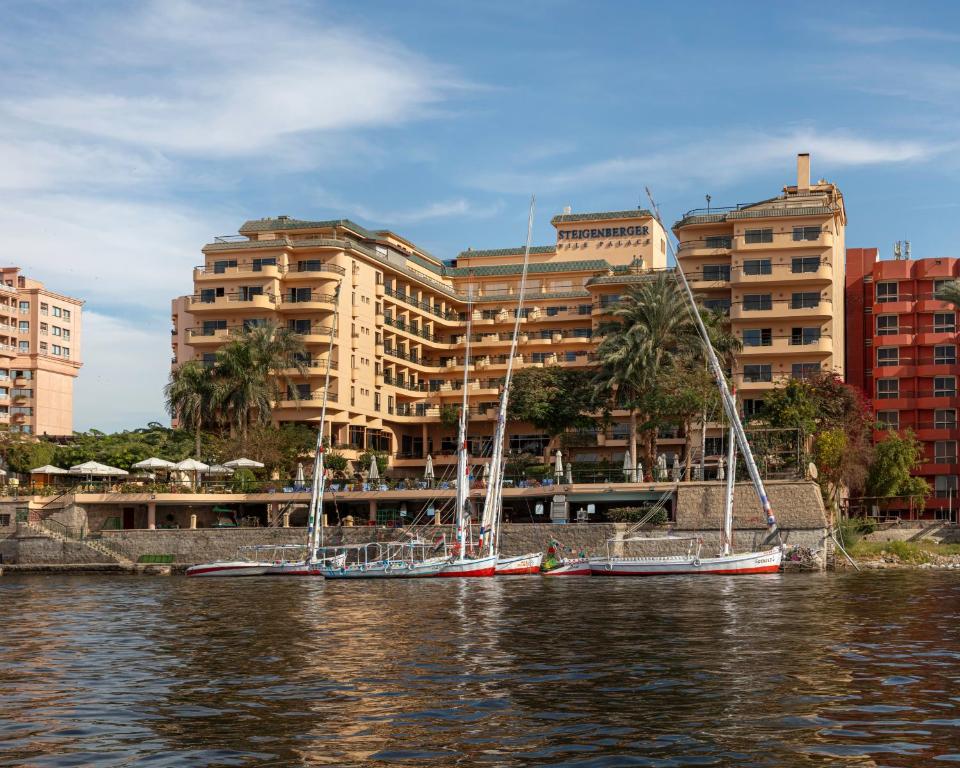
🏨 Stay in comfortable and luxury accommodations
📸 Capture unforgettable travel moments
Welcome to Cairo. Your tour begins when you are greeted by our representative who will assist you through immigration and customs formalities. After you have collected your luggage, he will then take you, in our deluxe vehicle, to your Cairo hotel where you will meet your guide who will revise the tour plan with you.
Overnight in Cairo Hotel
Meals: Welcome Drink
Start your day tour to Giza Necropolis where our driver will pick up you from your hotel in Cairo or Giza and join our professional tour guide to witness the real magnificence ancient Egyptian attractions through visiting:
The Step Pyramid of Saqqara
It’s called also step Pyramid of Zoser or Josser, due to the King Zoser who ordered his minister Imhotep to build it, this pyramid consists of six-layers, It’s height was about 197foot (60 meters). It is the first Pyramid ever built and it is the first largest scale stone building in the world.
The Southern Tomb
The southern tomb of King Djoser is located in the southern corner of his funerary complex in the Saqqara antiquities area. The cemetery consists of two parts. The upper part consists of a limestone Mastaba with a frieze decorated with cobras.
Serdab of Pharaoh Djoser
Serdab is a small enclosed structure that houses the ka statue (inhabited by the Pharoah’s soul) and with a small slit or hole with various purposes including allowing the soul of the deceased to move about freely, to breathe and eat – to let in the smells of the offerings and incense presented to the statue, and for the King’s Soul to witness the ceremonies outside.
Pyramid of Unas
The Pyramid of Unas is a smooth-sided pyramid built in the 24th century BC for the Egyptian pharaoh Unas, the ninth and final king of the Fifth Dynasty.
New Kingdom Cemetery
The New Kingdom (c.1550–1069 BC) cemetery south of the causeway of Unas is where several important officials of the Eighteenth to Twentieth Dynasties were buried.
The Tomb of Hormoheb
This monument is a source of information of prime importance on the history of Egypt under the reign of Tutankhamun. The reliefs, chiseled by forever anonymous craftsmen, are ever among the most accomplished recovered in ancient Egypt and are a major source for the history of the art.
The tomb from the time in which he was not yet Pharaoh Horemheb was discovered a first time in the 19th century, then it disappeared again under the sands. It was rediscovered in 1975 by Geoffrey Martin and his team who cleared the monument in four seasons of excavation.
The tomb of Maya
At the end of the 14th century BC, Maya was one of the major figures in the Egyptian state, from the reign of Tutankhamun to that of Horemheb. His prestigious career is attested by his many titles and epithets, the most important of which is "Overseer of the Treasury" (that is Minister of Finance). We'll discuss it.
The Serapeum
The Serapeum of Saqqara was the ancient Egyptian burial place for sacred bulls of the Apis cult at Memphis. It was believed that the bulls were incarnations of the god Ptah, which would become immortal after death as Osiris-Apis. a name which evolved to Serapis.
Pyramid Complex of Teti
Teti (c.2345–2323 BC), the first ruler of the Sixth Dynasty, built his pyramidal complex not far from the Step Pyramid of (c.2667–2648 BC), in Saqqara. Upon completion, it stood 52.5 m tall.
The mastaba tomb of Kagemni also known as Memi
The mastaba was discovered in 1843 by Richard Lepsius. It had to wait until 1905 before von Bissing would begin his publication of rooms IV to VIII, which wasn't completed until 1911.
The mastaba of Nikauisesi
The mastaba of Nikauisesi is situated in the north-east sector of the necropolis of Saqqara. The tomb was discovered in 1979-80 by the Supreme Council of Antiquities
The mastaba of Ankhmahor
The mastaba of Ankhmahor is situated on the northern side of Teti’s pyramid at Saqqara in the block of tombs belonging to the officials of the king’s Dynasty VI reign.
Memphis Open Air Museum
Memphis was the oldest capital of ancient Egypt, the first one that was founded after the unification of upper and Lower Egypt. The city was founded in the first dynasty (3100 BC).
At the end of this great day we will enjoy lunch in one of the best resturants that looks over the Pyramids and then we will go back to our hotel and overnight in Cairo.
Overnight in Cairo
Meals: Breakfast & Lunch
At 9 am and after your breakfast you will meet your tour guide to enjoy the second level of Egypt architecture and to acknowledge the first capital of ancient Egypt. Your day includes: -
It is said that Egypt is full of Pyramids and after breakfast you will get the opportunity to visit 2 more of them. You will be taken, in an air-conditioned vehicle, to Dahshur where you will see the two pyramids built by the Pharaoh Snefru.
The Red Pyramid
The Red Pyramid was another project of the 4th Dynasty pharaoh Sneferu. After the completion of the Bent Pyramid, which also stand nearby in the Necropolis at Dahshur, Sneferu set out to correct the mistakes that were made in the construction of his that pyramid and the one at Meidum that collapsed during construction.
The Bent Pyramid
The Bent Pyramid is called a ‘transitional’ pyramid because the angle of its sides changes abruptly approximately one-third of the way up. Archeologist’s attribute this to an engineering crisis during construction.
The Pharaonic Village
The Pharaonic Village is a living museum located near Cairo, Egypt that exhibits ancient Egyptian life
The Pharaonic Village aims to bring ancient Egyptian history to life. Upon entering, visitors encounter actors in Pharaonic costumes reenacting daily activities such as making papyrus, fishing, painting, sculpting, farming, and mummification.
At the end of this great day we will enjoy lunch in one of the best resturants that looks over the Pyramids and then we will go back to our hotel and overnight in Cairo.
Overnight in Cairo
Meals: Breakfast, Lunch
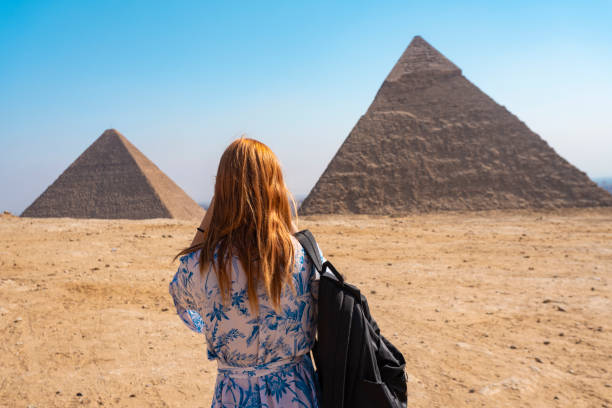
After breakfast at your hotel we will meet in the lobby and start our unique day tour to the Pyramids of Giza
Giza Pyramids Complex
The three main pyramids of Giza (Khufu, Khafre, and Menkaure) are sufficient enough to build a 2-meter-long wall and span 100,000 square kilometers around the globe along with the equator.
The Great Pyramid
The Great Pyramid of King Khufu is considered largely represents the spirit of ancient Egypt, King Khufu who built this Pyramid as a cemetery has left little information about his reign. Khufu ruled for about twenty-four years. Ironically, despite the enormity of his pyramid, the only statue of King Khufu himself is really small statue carved from ivory
Tomb of Queen Meres ankh III
Under the shadow of the Great Pyramid lies the mastaba of Queen Meresankh III, the wife of Khafra and granddaughter of Khufu. Both very large and exquisitely decorated, this is indeed a tomb worthy of her rank and fortunately also contains the best-preserved wall reliefs in the Eastern Cemetery.
Camel Ride
During our visit to the Pyramids, you will experience the transportation of the ancient and will enjoy a camel ride for almost 30 Min to get the best shots around the pyramids you just need to prepare your camera.
The Magical Sphinx
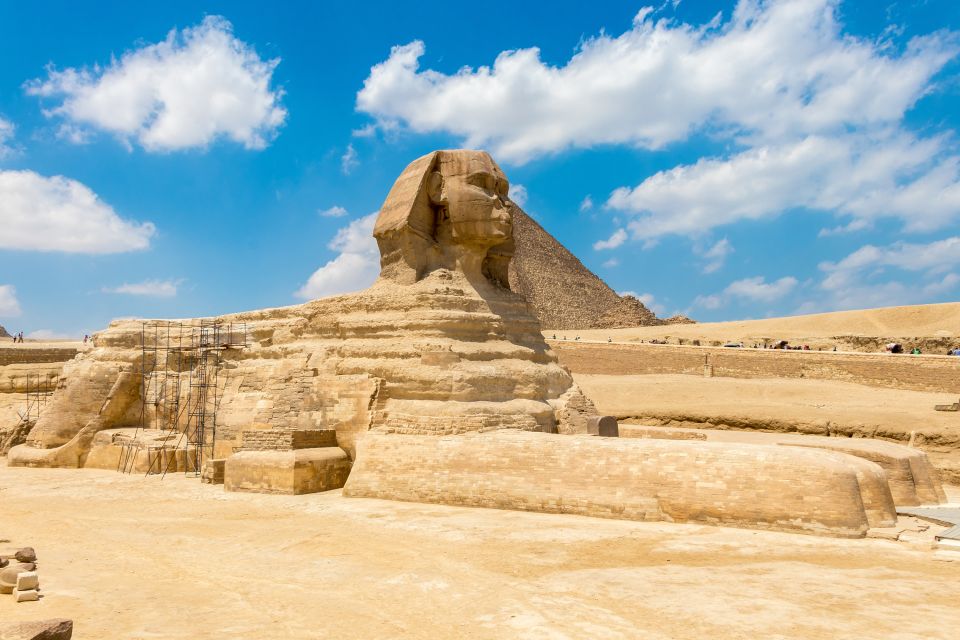
Who among us when mentioning the name of the Sphinx does not think about this stone sculpture that carved in the form of the human head and lion body, which is located in the Giza plateau in Egypt the Sphinx is one of the oldest and the largest sculptures in the world, it’s about 73.5 meters long and 6 meters wide.
The Valley Temple
It was used as a place for the embalming process. This temple constructed definitely for two functions: First, it was used for the purification of the mummy before its burial. Second, it was used for making the Mummification process of the king.
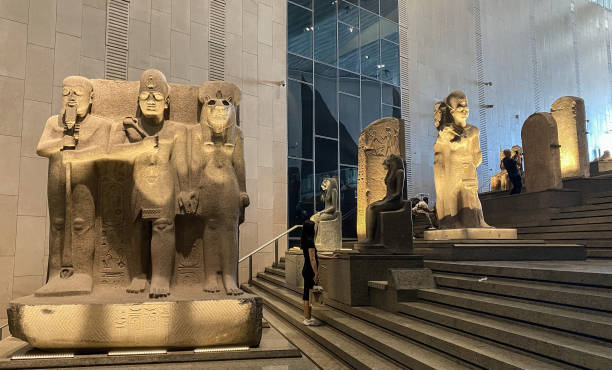
The Grand Egyptian Museum
The museum houses a collection of the most valuable Egyptian artifacts ever from various periods of the Egyptian civilization, from the Predynastic Period to Coptic Egypt, with an estimated total of over 100,000 artifacts, including at least 20,000 that will be displayed for the first time ever, including the complete King Tutankhamun collection comprising 5,398 pieces. The Tut collection is on display in a 7,500 m2 section of the museum. Rare pieces that have been restored will be displayed for the first time, such as the second solar ship of Khufu, the restoration of which cost $5 million, the collection of Queen Hetepheres (mother of King Khufu), and the collection of Yuya and Thuyu (parents of Queen Tiye).
Overnight in Cairo
Meals: Breakfast & Lunch
Breakfast at the hotel is followed by a full day tour, I will meet you at 8 am in the hotel lobby and start our visit to the
The National Museum of Egyptian Civilization.
The first museum of civilization in the Arab world, the NMEC will present a comprehensive view of Egyptian civilization from prehistory to the present day, taking a multidisciplinary thematic approach designed to highlight Egypt’s tangible and intangible heritage. A museum of a new kind, unknown so far in Egypt and the entire Middle East region, the NMEC’s main goal is to “share knowledge”, to connect with the surrounding Egyptian society and to offer international visitors a richer and deeper insight into the meaning of Egyptian culture through the ages.
The Citadel of Cairo
Salah Al-Deen (known as Saladin to European historians) overthrew the Fatimid dynasty in 1171 AD, establishing the new Sunni Ayyubid Caliphate. Given the threat of invasion by European crusader armies, Saladin decided to improve the fortifications of the city and in 1176 AD he began construction of a wall that would encircle both Al-Qahira (today Islamic) and Fustat (Old Cairo). Saladin’s Citadel served as the seat of government in Egypt for 700 years until Khedive Ismail moved into Abdin Palace in newly constructed Downtown Cairo in the 1870’s.
Mohamed Ali Mosque
The Mosque of Muhammad Ali is located inside the Citadel of Salah al‑Din al‑Ayyubi (Saladin) in Cairo. It was built by Muhammad Ali Pasha (1220–1264 AH/1805–1848 AD), the founder of the Muhammad Ali Dynasty (1220–1372 AH/1805–1953 AD), on the site of Mamluk palaces. He had these demolished to make room for his new building, which is also known as the "Alabaster Mosque", in reference to its marble paneling on its interior and exterior walls. The mosque’s twin minarets are the highest in all of Egypt, each reaching a height of 84 meters.
National Military Museum
This museum is the first of its kind to be devoted to the history of the Egyptian military through the ages. The museum was first located in the building of the Ministry of Defense in Falaki in 1937, after which it was transferred to another building in the neighborhood of Garden City in 1938, before finally being transferred to al-Haram Palace in 1949 in the Cairo Citadel in 1949.
National Police Museum
The National Police Museum is one of the museums in the Salah al-Din Citadel, located in its northern section. Its exhibitions display the history of Egypt’s police force.
Sultan Hassan & Elrefai Mosques
Mosque of Sultan Hassan is a primal example of the early Islamic Mamluk architecture between 1356 A.D and 1363 A.D. The Mosque is 150m in length and covering 7,906 sq m inland and its walls reach the height of 36 m.
Overnight in Cairo
Meals: Breakfast & Lunch
After breakfast, you will check out and our representative will escort you to the airport for your flight to Luxor. Upon arrival, you will be met and assisted by our representative who will transfer you to your Nile Cruise. After lunch, you will be taken to visit the magnificent Karnak and Luxor Temples. Karnak Temple
[Karnak Temples
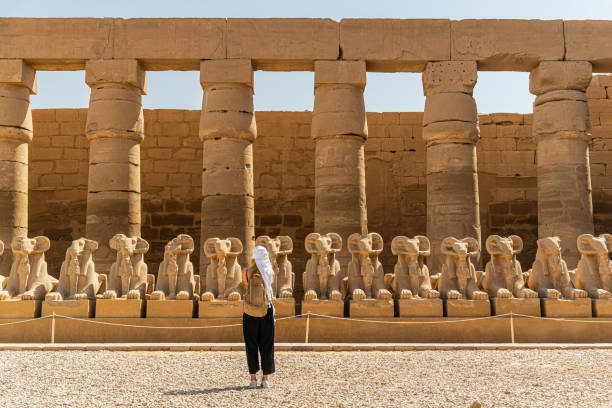
Built over two millennia between the years of around 2200 and 360 BCE, Karnak is a massive Ancient Egyptian temple complex that was one of the country's most important places of worship under the rules of Hatshepsut, Seti I, Ramesses II and Ramesses III. As well as the dominating Temple of Amun-Ra, Karnak is also made up of smaller chapels and sanctuaries dedicated to other deities, as well as grand halls, docks, a sacred lake. and pylons - the monumental gateways that mark temple entrances.:
The Temple of Luxor
Luxor Temple, Ipet‑resyt “Southern Sanctuary” to the ancient Egyptians, was so called because of its location within ancient Thebes (modern Luxor). It is located around three kilometers to the south of Karnak Temple, to which it was once linked with a processional way bordered with sphinxes. The oldest evidence for this temple dates to the Eighteenth Dynasty.
Now our representative will take you back to your Nile Cruise in Luxor to finish your unforgettable day trip.
Overnight in Nile Cruise
Meals: Breakfast & Lunch & Dinner
In the beautiful morning after breakfast, our tour guide will meet you to take you to enjoy a journey in the west bank of Luxor where you will visit:
The Valley of the Kings
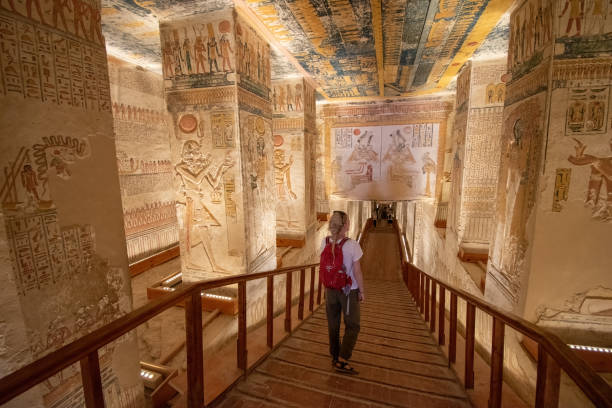
The Valley of the Kings, located across the Nile from ancient Thebes (modern Luxor), served as the burial site for rulers of Egypt’s 18th–20th Dynasties (c. 1550–1069 BC), along with some royal family members and a few high-ranking non-royals.
The Tomb of King Tut Ankh Amun
The tomb of King Tutankhamun (c. 1336–1327 BC) is famous as the only largely intact royal tomb found in the Valley of the Kings, discovered by Howard Carter in 1922, revealing priceless golden artifacts.
The Tomb of King Ramses VI
This tomb was begun by King Ramesses V (c.1147–1143 BC) of the Twentieth Dynasty. Although it is uncertain whether he was ultimately buried here, it is clear that his uncle Ramesses VI (c.1143–1136 BC) enlarged the tomb and used it.
The Tomb of King Seti I
The tomb of Sety I is one of the longest, deepest, and most beautifully decorated tombs in the Valley of the Kings. Sety I (c.1294–1279 BC) was the second king of the Nineteenth Dynasty, and father of Ramesses II (the Great). His tomb, number 17 in the Valley of the Kings, is sometimes called “Belzoni’s tomb” after its discoverer.
The Tomb of King Merenptah
Merenptah’s tomb, the Valley of the Kings’ second-largest, shows ancient Greek and Coptic graffiti; floods damaged its lower walls, but upper reliefs remain well preserved.
The Tomb of King Ramses III
KV 11, a popular and well-preserved tomb, was begun by Sethnakht (1186–1184 BC) but completed by Ramses III (1184–1153 BC) after hitting another tomb’s shaft.
The Tomb of King Ramses IV
Originally intended to be much larger, KV 2 was cut short at 89m on the early death of the pharaoh (1147 BC) and a pillared hall was converted to be the burial chamber. The sarcophagus is in place with a magnificent goddess Nut filling the ceiling above it.
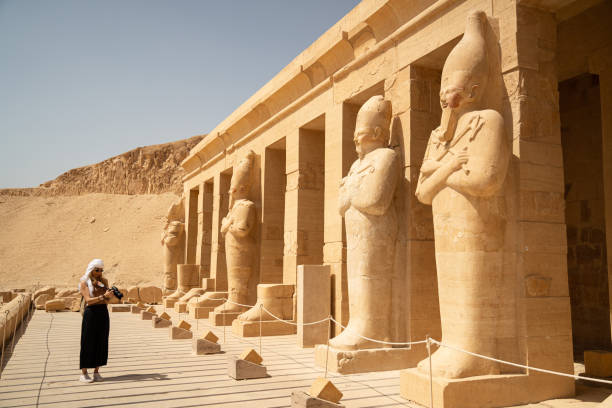
The Temple of Hatshepsut
Hatshepsut (c. 1473–1458 BC), the queen-turned-pharaoh, built the impressive Djeser-djeseru temple at Deir al-Bahari, across the Nile from Karnak, designed by her chief steward Senenmut.
The Colossi of Memnon
These two faceless colossi are the first thing visitors see when they reach the west bank of the Nile opposite Luxor. they tower 60 feet (18 m) above the plains and are estimated to weigh an enormous 720 tons each.
Once your visit to these ancient Theban Temples is complete you will return to the boat for your lunch, and then you can watch as it departs Luxor and sails for Esna. As the Nile flows gently underneath you, dinner will be served.
Overnight in Nile Cruise
Meals: Breakfast & Lunch & Dinner
You can enjoy an early breakfast, while the cruise boat crosses the Esna lock to the city of Esna. Once the boat is moored you will visit the best-preserved temple in Egypt: The Temple of Horus.
Edfu Temple
Built during the Ptolemaic Kingdom between 237 and 57 BC, the Temple of Horus at Edfu is generally regarded to be the best-preserved of the Ancient Egyptian sanctuaries. For 200 years, the structure was buried under almost 40 feet (12 metres) of desert sand and silt from the Nile, which incredibly helped to conserve it to near-perfection.
After your visit to this superb temple, you will be taken back to the boat for your lunch while it sails onward to Kom Ombo. Enjoy sun bathing and tea time on the deck of the Cruise. Once a shore you will visit the Temple of Kom Ombo
Kom Ombo Temple
The temple is unique for its dedication to two different deities: the local crocodile-headed god Sobek, and the first "god of the Kingdom", the falcon-headed god Horus the Elder (also called Haroeris). This double dedication was deliberate. Not only is it architecturally duplicated, with two sets of courts, hypostyle halls and sanctuaries, the twin temple is symbolic of the local and Universalist themes that the two different deities represented. After this great visit you will return back to the cruise for your dinner being served as it sails majestically towards Aswan.
Overnight in Nile Cruise
Meals: Breakfast & Lunch & Dinner
A new day on board starts with breakfast, and then you will be driven to see the High Dam, the worlds largest rock filled dam, and the Temple of Philae moved to the island of Agilika after the waters of Lake Nasser flooded its original location. At the end of your tour drive back to rejoin your cruise for lunch. After lunch, we will have a felucca ride in the Nile and visit the Botanical Island and the Nubian Village.
Aswan High Dam
At Aswan High Dam, you’ll hear from your tour guide the whole story of its construction and how it helped the Egyptians a lot to improve their economic and social state. Then, you’ll move to witness the miraculous:
The Unfinished Obelisk
The Unfinished Obelisk was supposed to be standing in front of Hatshepsut Temple but some cracks happened to it which leads Queen Hatshepsut to order her men to move it to Aswan and it is characterized with its majestic size.
Philae Temples
Philae Temple was constructed in 690 B.C and it had been relocated with the help of the UNESCO because it was in great danger from the High & Low Dams of Aswan. It was dedicated to goddess Isis.
The Nubian Village & The Botanical Island
Discover the colorful culture of Nubia, one of Africa's oldest civilizations, traveling by felucca sailboat or modern motorboat, you'll meet locals, visit a traditional house, drink tea, and have free time to explore villages independently while Kitchener’s Island, to the west of Elephantine
Overnight in Nile Cruise
Meals: Breakfast & Lunch & Dinner
At the morning, enjoy your breakfast on the cruise then you will join your tour guide to the enchanting “Abu Simbel Temple” which is known to be a true piece of art. The two temples were carved out of the mountainside in 1200 BC during the reign of Pharaoh Ramesses II the second and his wife Queen Nefertari.
All the carvings, artwork, wall paintings, statues are extremely beautiful and tell incredible stories about Ramses victories at the battle of Kadesh and honor many gods like Ra, Amon, and Ptah.
Abu Simbel Temples
Abu Simbel temple complex includes 2 individual temples that were built during the reign of Pharaoh Ramses II. The great temple was built for the king himself to commemorate his coronation and his birthday and it has been built in a very impressive accurate way which makes the whole world await the Sun Festival that occurs only twice a year in the great temple of the Pharaoh to witness the miracle that occurs there. The smaller temple was built as a sign of love & appreciation from the king to his beloved queen Nefertari and she was the only wife of the king for whom he has built a temple.
Lunch will be served in a local restaurant before leaving back to Aswan and rest for a while in your hotel and in the evening we will visit the Nubian Museum where we can enjoy the great artifacts of the Nubians of Egypt and explore an important period of the ancient Egyptian history and Civilization.
After your tour finishes you will return back to the Nile Cruise and overnight in Aswan.
Overnight in Nile Cruise
Meals: Breakfast & Lunch & Dinner
After breakfast you will be taken to enjoy the unique visit to the
The Nubian Museum
Opened in 1997, the Nubian Museum is a belated, but well-executed, tribute to the culture and influence of Nubia and the Nubian people on the history of Egypt. This ancient culture, every bit as old as that of Ancient Egypt, existed along the banks of the Nile for millennia in the areas we call southern Egypt and northern Sudan today.
After your tour finishes you will return back to the Cruise which sets sail. This time downstream, for Kom Ombo once again. This time you can visit the temple early in the morning (on your own) before the boat heads off to Edfu.
Overnight in Nile Cruise
Meals: Breakfast & Lunch & Dinner
You can enjoy an early breakfast, while the cruise boat crosses the Esna lock to the city of Esna and continues towards Luxor.
Tour Sound & light show in Karnak
Enjoy Luxor Tours Watching Karnak Temple Sound and Light Show on the east bank illuminated at night with an audio-visual show that will explain how the temple was built and what life was like in Ancient Egypt. We will give you the chance to discover how life has been thousands of years ago? You will know about them through the splendid Sound and Light Show at the Karnak Temples. This spectacle will take about 75-minute first takes you around the temple grounds, and finally, the last act is played while you are seated along the Great Sacred Lake. The performance relates the history of Luxor.
Overnight in Nile Cruise
Meals: Breakfast & Lunch, Dinner
After breakfast, I will pick you up from your hotel in Luxor to discover the ancient sites. First, visit Abydos, the ancient Egyptian believed of God (Lord of the underworld) to be buried there. The temple was built by King Seti I, and completed by King Ramses II, known as the temple of Seti I. It is located in Abydos city about 420 km to the south of Cairo in Sohag Government, and 135 km from Luxor. The paintings of the Gods and Pharaohs on the walls of the Osiris Temple at Abydos are among the most beautifully preserved in Egypt.
Temple of Seti I
The temple of Seti I was built on entirely new ground half a mile to the south of the long series of temples just described. This surviving building is best known as the Great Temple of Abydos, being nearly complete and an impressive sight. A principal purpose of the temple was to serve as a memorial to king Seti I, as well as to show reverence for the early pharaohs, which is incorporated within as part of the "Rite of the Ancestors".
Then you will head to have your delicious lunch at a local restaurant, have nice pictures and finally, you will visit:
The temple of Hathor
The temple that dominates this complex, the structure that commands the attention of those who visit, is the Temple of Hathor. The original temple structure underwent continuous modifications throughout the Middle Kingdom and up until the beginning of the reign of the Roman emperor Trajan. The existing temple's structure began construction in 54 B.C.E, the late Ptolemaic period, under the reign of Ptolemy Auletes. The hypostyle hall was built in the Roman period under Tiberius.
Now our representative will take you back to your hotel or Nile Cruise in Luxor to finish your unforgettable day trip.
Overnight in Luxor hotel
Meals: Breakfast & Lunch
You will have your final breakfast on the boat before you have to check out then you will start your program with visiting the Mummification Museum and Luxor Museum where you will enjoy the great ancient Egyptian art and science of mummification.
Luxor Museum
One of the best displays of antiquities in Egypt is located at the Luxor Museum opened in 1975. Housed within a modern building, the collection is limited in the number of items, but they are beautifully displayed. There are numerous other antiquities of interest including a couple of very nice coffins. The museum also houses items from periods after the demise of pharaonic Egypt.
Mummification Museum
Mummification museum in Luxor (ancient Thebes), intended to provide an understanding of the process to preserve the body. The ancient Egyptians not only applied embalming to dead humans but also to many animals (Cats, dogs, crocodiles…. etc.). God Anubis (the Jackal) was the god of embalming and mummification.
Finally, this tour is perfect for travelers who want a quieter yet meaningful experience in Luxor. In conclusion, it combines culture, history, and discovery in a relaxed and enriching way.
Overnight in Luxor hotel
Meals: Breakfast & Lunch
Check out from your hotel in Luxor after breakfast, then transfer to Hurghada by private air-conditioned car and enjoy the recreation part of your 15 days Egypt tour. Day at leisure in Hurghada, enjoy swimming, snorkeling, diving, and different water sports as well as optional tours available on request, overnight in Hurghada.
Overnight in Hurghada hotel
Meals: All Inclusive
Another full day of free-time, perhaps some sunbathing, exploring, shopping, or taking up some of the many water sport activities that Hurghada has to offer
Overnight in Hurghada hotel
Meals: All Inclusive
Another full day of free-time, perhaps some sunbathing, exploring, shopping, or taking up some of the many water sport activities that Hurghada has to offer
Overnight in Hurghada hotel
Meals: All Inclusive
Breakfast, Free day. Transfer to the domestic airport. Departure by the plane to Cairo. Arrival & transfer to the hotel. Overnight in Cairo.
Overnight in Cairo Hotel
Meals: Breakfast
Around 10 am our guide will pick you up from your hotel to start your Cairo streets tour Visit Bab Zuwayla which is an ancient gate of Cairo. Outside the gate, you can see the mosque of Al-Saleh Talai’e. You will get the chance to climb up the stairs and reach its top to see a fascinating view of the minarets of a wide range of Cairo.
Al Muizz ST & Khan Khalili
Immerse yourself in the vibrant heart of Old Cairo on this unforgettable street tour. From ancient city gates to lively bazaars, this experience brings Egypt’s Islamic heritage to life. As you walk through historic streets, you will discover centuries of architecture, culture, and daily life—still thriving today.
Bab Zuwayla & Panoramic Minaret Views
Your Cairo city tour begins with a convenient hotel pickup. First, you arrive at Bab Zuwayla, one of Cairo’s last remaining medieval gates. From here, you can climb to the top and enjoy breathtaking views of countless minarets stretching across the city skyline.
Just outside the gate, admire the elegant Mosque of Al-Saleh Tala’i, one of Cairo’s earliest suspended mosques.
Sultan Al-Mo’ayyad Mosque & Ghouri Street
Next, step inside the impressive Sultan Al-Mo’ayyad Mosque, uniquely built beside the ancient gate. Afterward, stroll through the lively cloth market near Ghouri Street, where colorful textiles, pure cotton garments, and local fruits fill the air with energy. Soon after, visit the remarkable Sultan Al Ghouri Complex, located near Al-Azhar Mosque and rich with Mamluk architectural beauty.
Al Muizz Street & Qalawun Complex
As you continue, walk along Al Muizz Street, one of the oldest streets in Cairo. Here, you’ll admire extraordinary Islamic architecture dating from the 13th to 15th centuries.
Additionally, explore the magnificent Qalawun Complex, a masterpiece from the Mamluk era. Along the way, pass traditional copper, silver, and gold workshops, where artisans still practice centuries-old crafts.
Souhaimy House & Khan El Khalili Bazaar
Later, visit the historic Souhaimy House, once home to hundreds of Al-Azhar students. This beautifully preserved residence offers a glimpse into daily life in old Islamic Cairo.
Finally, arrive at the legendary Khan El Khalili Bazaar. Relax at a traditional café, sip tea or coffee, and soak in the atmosphere before returning comfortably to your hotel.
Enjoy your lunch and it will be served at a local restaurant after the day tour. Then return to your hotel and overnight in Cairo.
Overnight in Cairo Hotel
Meals: Breakfast, Lunch
Your day starts with breakfast in your hotel followed by a 2.5-hour drive, in our air-conditioned vehicle, to Alexandria where you will visit the following.
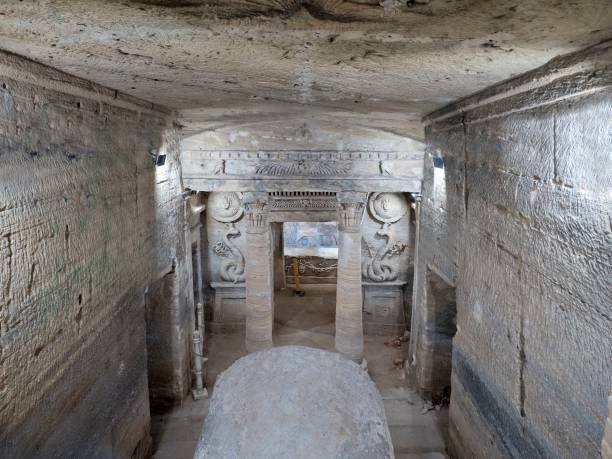
The Catacombs of Kom Alshaqafa
The Catacombs of Alexandria are the largest and most important burial site in Egypt that has a mixture of Roman, Hellenistic, and ancient Egyptian decorative art and elements that were all common during this period in Alexandria.
The Pmpai`s Pillar
It’s a column that stands on a rocky hilltop in the middle of Alexandria. Pompey Pillar is a triumphal monument erected around 300 AD for the Roman Emperor Diocletian.
Qait Bay Citadel
Qaitbay Citadel has been built during the 14th century by (Sultan Qaitbay) to defend Alexandria from the attacks of The Ottoman Empire. You can enjoy the Sea views, wonderful restaurants, and unforgettable touristic items while visiting it.
Lunch will be served during the day tour in a sea view restaurant in Alexandria and At the end of our day tour, we will start moving back to Cairo and check in as soon as your arrival and overnight.
Overnight in Cairo Hotel
Meals: Breakfast, Lunch
Fly back home
Breakfast at hotel. Check out and transfer to Cairo International Airport for final departure.
Meals: Breakfast
Hear from travelers who trusted us to create unforgettable journeys and memories.
"The Egypt tour exceeded all my expectations. Our guide was incredibly knowledgeable and the accommodations were fantastic. A truly unforgettable experience!"
New York, USA
"The Nile cruise was absolutely magical. Waking up to the sunrise over the Nile and visiting ancient temples was a dream come true. Highly recommend!"
London, UK
"Petra at night was breathtaking. The candlelit path through the Siq to the Treasury is something everyone should experience. Thank you for organizing such a perfect trip!"
Sydney, Australia
"From the Pyramids to the Red Sea, every moment was perfectly planned. The team was professional and attentive. Can't wait to book our next adventure!"
Toronto, Canada
"The diving in Hurghada was world-class. Crystal clear waters, vibrant coral reefs, and an incredible variety of marine life. Best diving experience of my life!"
Berlin, Germany
Discover more amazing tours similar to this one.