Featured
Discover Cairo’s top attractions in 2 days. Visit the Pyramids, Saqqara, Grand Egyptian Museum, Citadel, and Khan El Khalili.
Experience the best of Cairo in just two unforgettable days. This carefully designed tour allows you to explore Egypt’s most famous landmarks while enjoying a smooth and well-organized journey. You will move easily between ancient sites and vibrant city life.
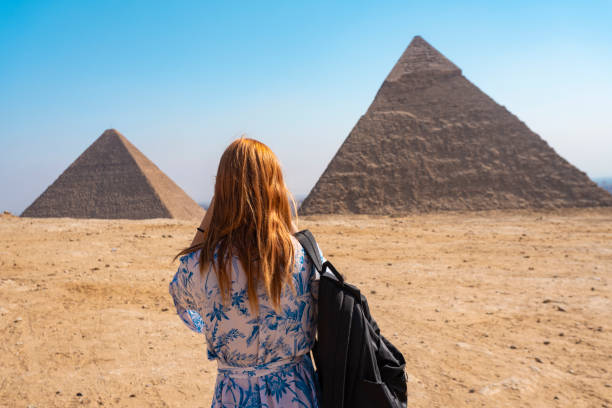
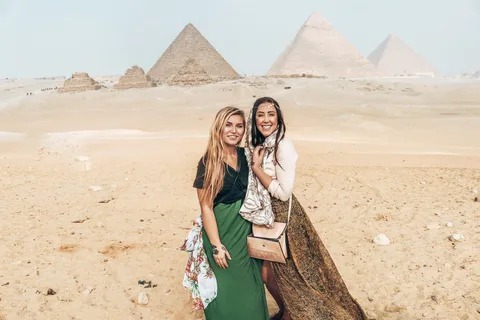
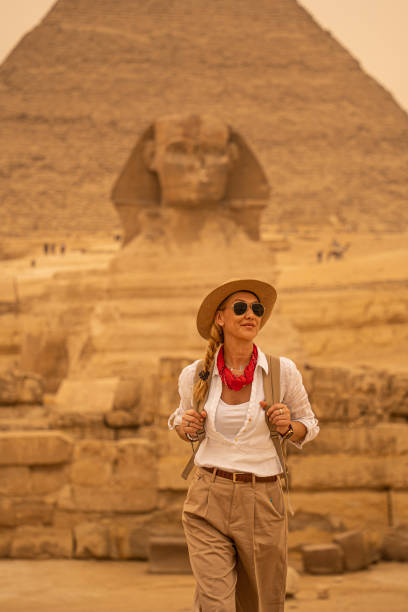
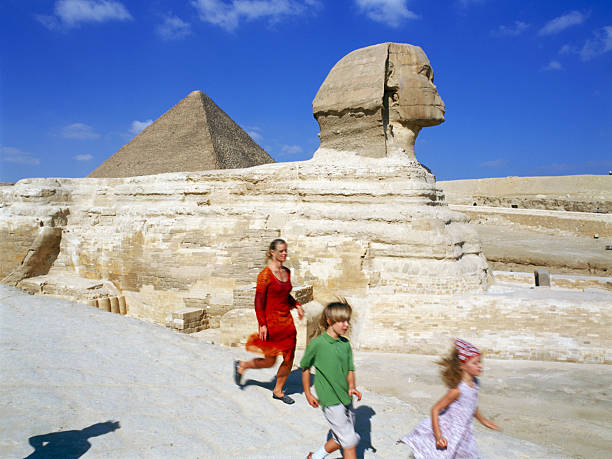
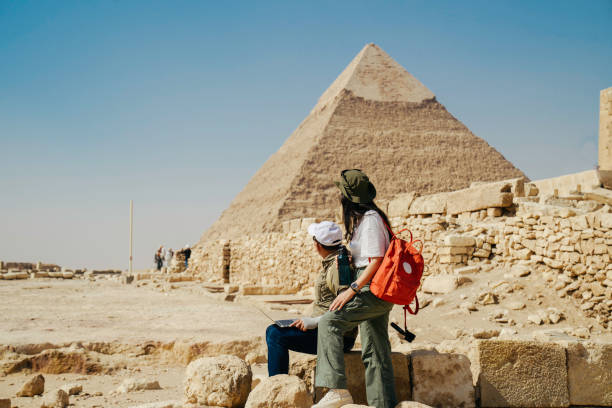
Start your journey at the remarkable Giza Plateau. Here, you will stand before the world-famous Pyramids of Giza and admire the legendary Great Sphinx of Giza.
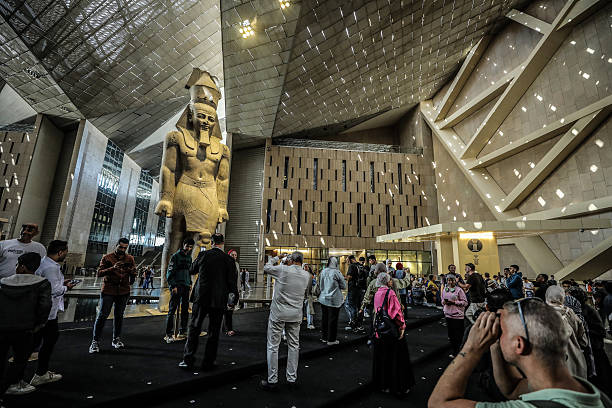
Next, continue to the historic Saqqara Necropolis, where you will visit the iconic Step Pyramid of Djoser. Afterward, explore the modern and impressive Grand Egyptian Museum, home to extraordinary ancient treasures.
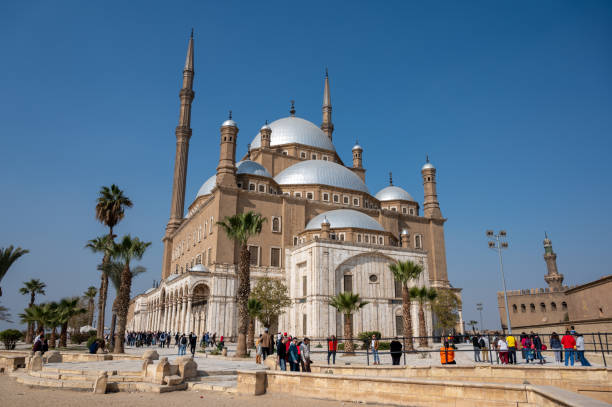
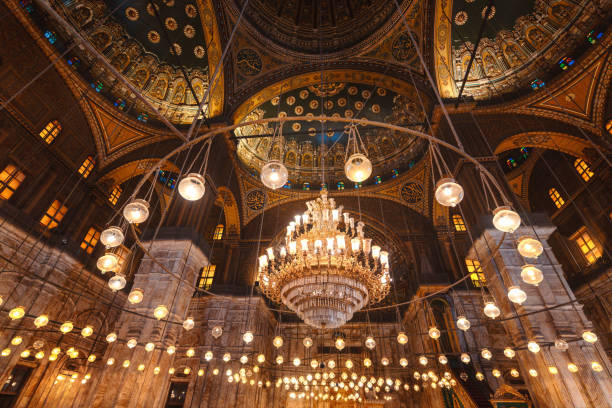
On your second day, visit the majestic Cairo Citadel. From here, enjoy panoramic views of the city. Inside, discover the beautiful Mosque of Muhammad Ali.
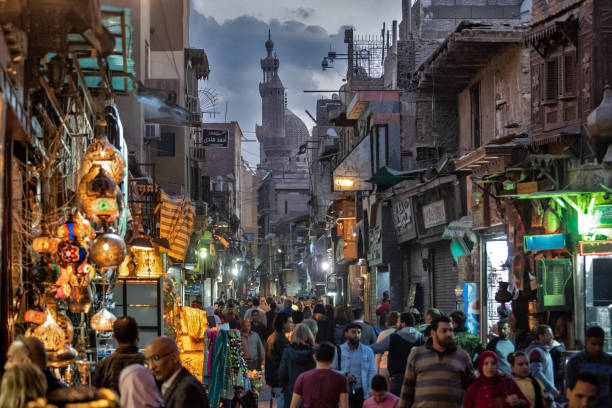
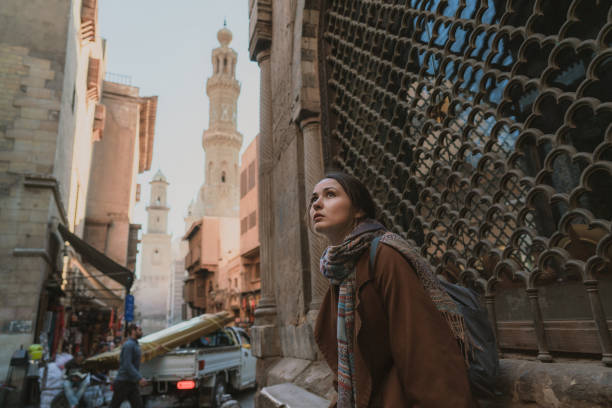
Then, head to the lively Khan El Khalili. Walk through its colorful streets filled with traditional shops, cafes, and local crafts. It is the perfect place to experience authentic Cairo.
Although the tour lasts only two days, it offers a rich and complete experience. You will explore Egypt’s ancient heritage while also enjoying its vibrant culture. As a result, this trip delivers great value in a short time.
🏺 Visit the Pyramids of Giza & Great Sphinx
🏜️ Explore Saqqara & Step Pyramid of Djoser
🏛️ Discover the Grand Egyptian Museum
🕌 Visit Cairo Citadel & Muhammad Ali Mosque
🛍️ Explore Khan El Khalili Bazaar
📸 Capture unforgettable photos
👨🏫 Guided by expert Egyptologist
At 8 am we will start our day tour and start exploring the history of Egyptian Civilization and visit the ruins of its first capital
Memphis was the oldest capital of ancient Egypt, the first one that was founded after the unification of upper and Lower Egypt. The city was founded in the first dynasty (3100 BC).
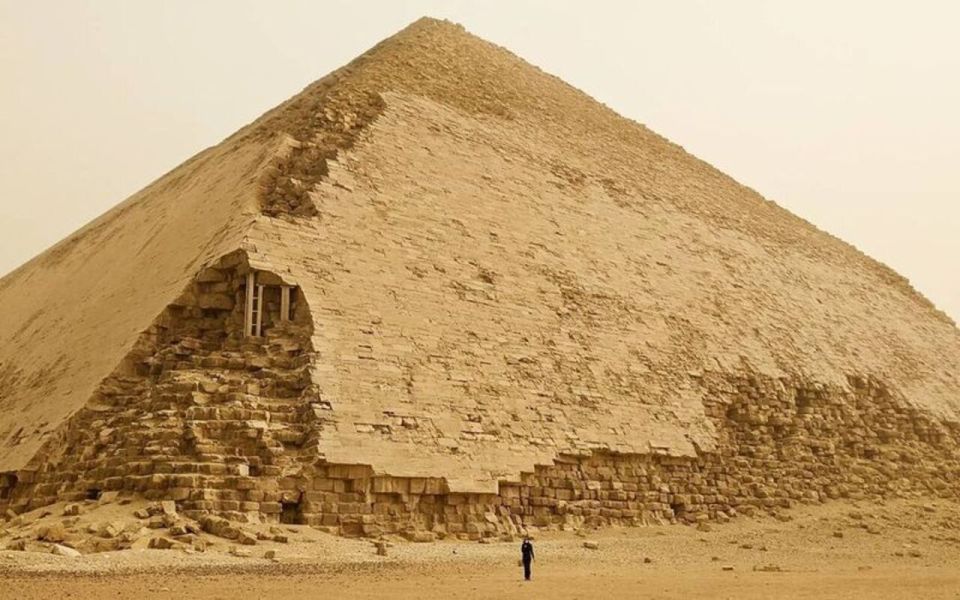
It’s called also step Pyramid of Zoser or Josser, due to the King Zoser who ordered his minister Imhotep to build it, this pyramid consists of six-layers, its height was about 197foot (60 meters). It is the first Pyramid ever built and it is the first largest scale stone building in the world.
The Pyramid of Unas is a smooth-sided pyramid built in the 24th century BC for the Egyptian pharaoh Unas, the ninth and final king of the Fifth Dynasty.
Teti (c.2345–2323 BC), the first ruler of the Sixth Dynasty, built his pyramidal complex not far from the Step Pyramid of (c.2667–2648 BC), in Saqqara. Upon completion, it stood 52.5 m tall.
The mastaba was discovered in 1843 by Richard Lepsius. It had to wait until 1905 before von Bissing would begin his publication of rooms IV to VIII, which wasn't completed until 1911.
The mastaba of Nikauisesi is situated in the north-east sector of the necropolis of Saqqara. The tomb was discovered in 1979-80 by the Supreme Council of Antiquities.
The mastaba of Ankhmahor is situated on the northern side of Teti’s pyramid at Saqqara in the block of tombs belonging to the officials of the king’s Dynasty VI reign.
The three main pyramids of Giza (Khufu, Khafre, and Menkaure) are sufficient enough to build a 2-meter-long wall and span 100,000 square kilometers around the globe along with the equator.
The Great Pyramid of King Khufu is considered largely represents the spirit of ancient Egypt, King Khufu who built this Pyramid as a cemetery has left little information about his reign. Khufu ruled for about twenty-four years. Ironically, despite the enormity of his pyramid, the only statue of King Khufu himself is really small statue carved from ivory.
Who among us when mentioning the name of the Sphinx does not think about this stone sculpture that carved in the form of the human head and lion body, which is located in the Giza plateau in Egypt the Sphinx is one of the oldest and the largest sculptures in the world, it’s about 73.5 meters long and 6 meters wide.
It was used as a place for the embalming process. This temple constructed definitely for two functions: First, it was used for the purification of the mummy before its burial. Second, it was used for making the Mummification process of the king.
At the end of this exciting day, you will be driven back to your hotel after having your lunch in one of the best local restaurants.
At 08 am you will meet your tour Guide and start your day to the top highlights of Cairo
The museum houses a collection of the most valuable Egyptian artifacts ever from various periods of the Egyptian civilization, from the Predynastic Period to Coptic Egypt, with an estimated total of over 100,000 artifacts, including at least 20,000 that will be displayed for the first time ever, including the complete King Tutankhamun collection comprising 5,398 pieces. The Tut collection is on display in a 7,500 m2 section of the museum. Rare pieces that have been restored will be displayed for the first time, such as the second solar ship of Khufu, the restoration of which cost $5 million, the collection of Queen Hetepheres (mother of King Khufu), and the collection of Yuya and Thuyu (parents of Queen Tiye).
Salah Al-Deen (known as Saladin to European historians) overthrew the Fatimid dynasty in 1171 AD, establishing the new Sunni Ayyubid Caliphate. Given the threat of invasion by European crusader armies, Saladin decided to improve the fortifications of the city and in 1176 AD he began construction of a wall that would encircle both Al-Qahira (today Islamic) and Fustat (Old Cairo). Saladin’s Citadel served as the seat of government in Egypt for 700 years until Khedive Ismail moved into Abdin Palace in newly constructed Downtown Cairo in the 1870’s.
The Mosque of Muhammad Ali is located inside the Citadel of Salah al‑Din al‑Ayyubi (Saladin) in Cairo. It was built by Muhammad Ali Pasha (1220–1264 AH/1805–1848 AD), the founder of the Muhammad Ali Dynasty (1220–1372 AH/1805–1953 AD), on the site of Mamluk palaces. He had these demolished to make room for his new building, which is also known as the "Alabaster Mosque", in reference to its marble paneling on its interior and exterior walls. The mosque’s twin minarets are the highest in all of Egypt, each reaching a height of 84 meters.
Khan El Khalili is Egypt’s most famous and vibrant bazaar, located in the heart of historic Islamic Cairo. This centuries-old marketplace is a captivating maze of narrow alleys, traditional workshops, antique shops, silver artisans, spice traders, and colorful souvenir stalls. The atmosphere is filled with the scents of incense, the sparkle of handmade crafts, and the timeless charm of old Cairo’s bustling life.
Enjoy your lunch and it will be served at a local restaurant after the day tour. Then return to your hotel and overnight in Cairo.
Hear from travelers who trusted us to create unforgettable journeys and memories.
"The Egypt tour exceeded all my expectations. Our guide was incredibly knowledgeable and the accommodations were fantastic. A truly unforgettable experience!"
New York, USA
"The Nile cruise was absolutely magical. Waking up to the sunrise over the Nile and visiting ancient temples was a dream come true. Highly recommend!"
London, UK
"Petra at night was breathtaking. The candlelit path through the Siq to the Treasury is something everyone should experience. Thank you for organizing such a perfect trip!"
Sydney, Australia
"From the Pyramids to the Red Sea, every moment was perfectly planned. The team was professional and attentive. Can't wait to book our next adventure!"
Toronto, Canada
"The diving in Hurghada was world-class. Crystal clear waters, vibrant coral reefs, and an incredible variety of marine life. Best diving experience of my life!"
Berlin, Germany
Discover more amazing tours similar to this one.