Featured
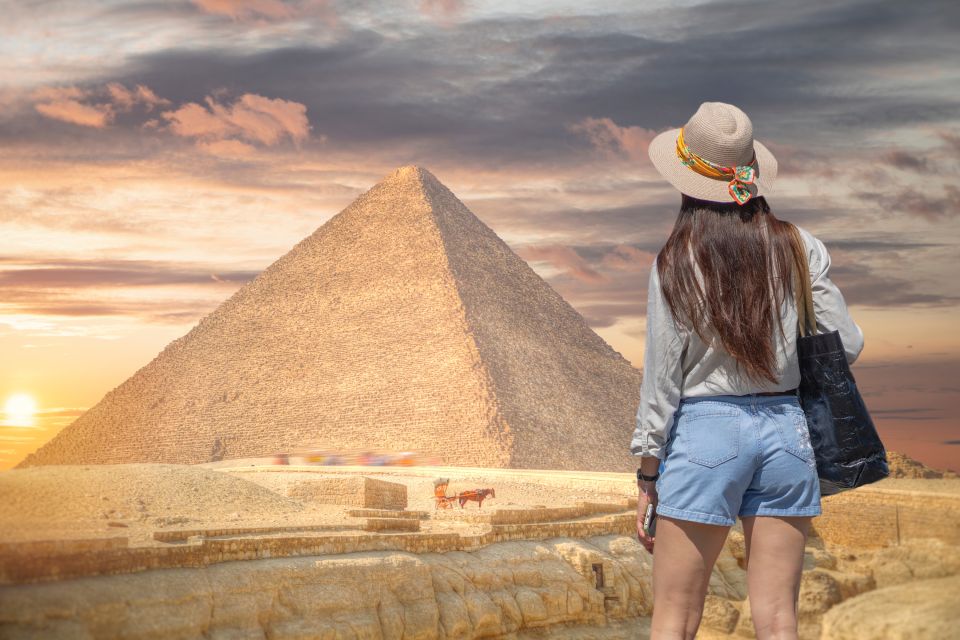
Experience Egypt in 15 days of luxury, including Cairo sightseeing, a 4-night Nile Cruise, and the natural beauty of Fayoum Oasis. Enjoy private guides, 5-star hotels, and immersive adventures.
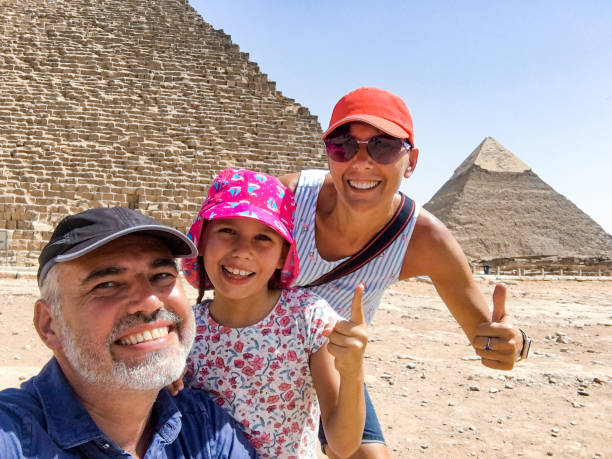
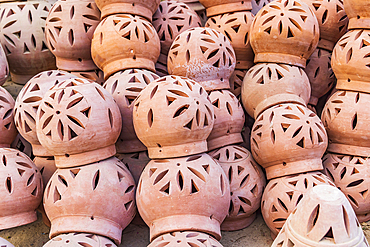
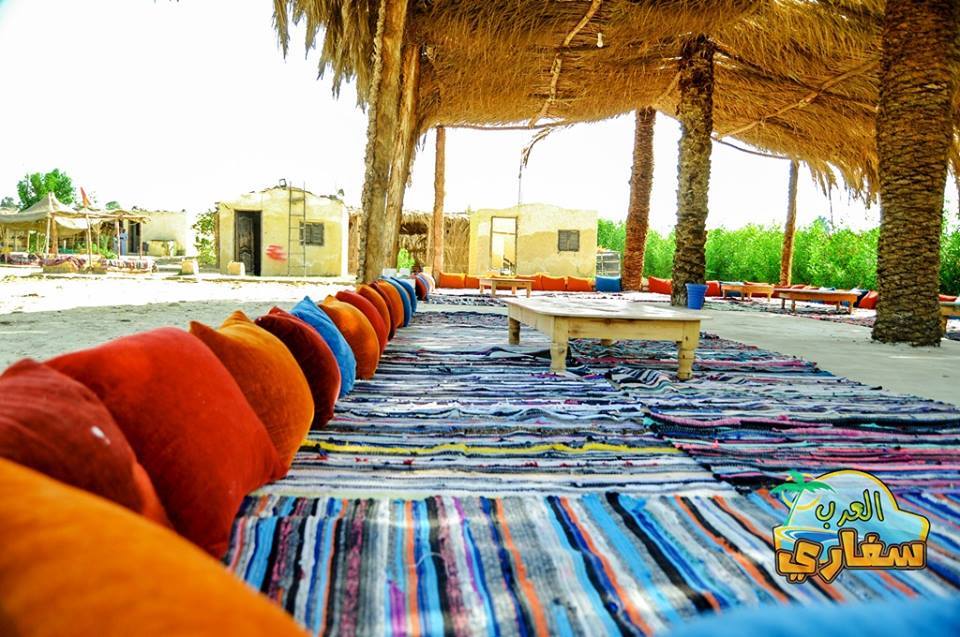
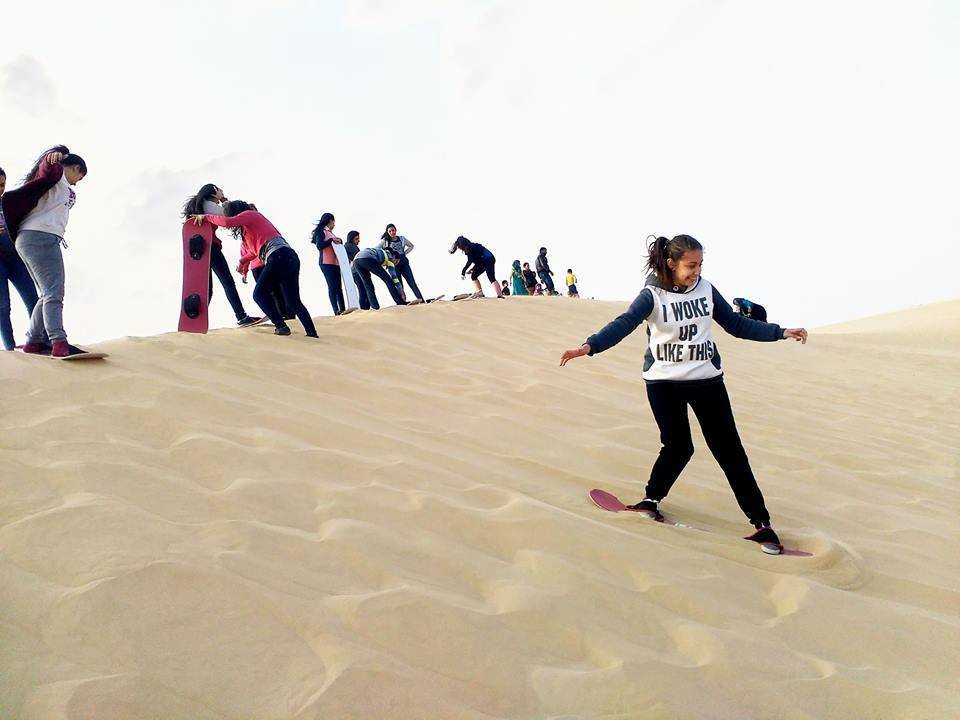
Embark on a 15-day luxury tour across Egypt, designed for travelers seeking history, culture, and relaxation. From the iconic pyramids of Cairo to the scenic Fayoum Oasis, every moment blends comfort with discovery. Moreover, the journey combines guided experiences with elegant accommodations, creating a seamless and memorable adventure.
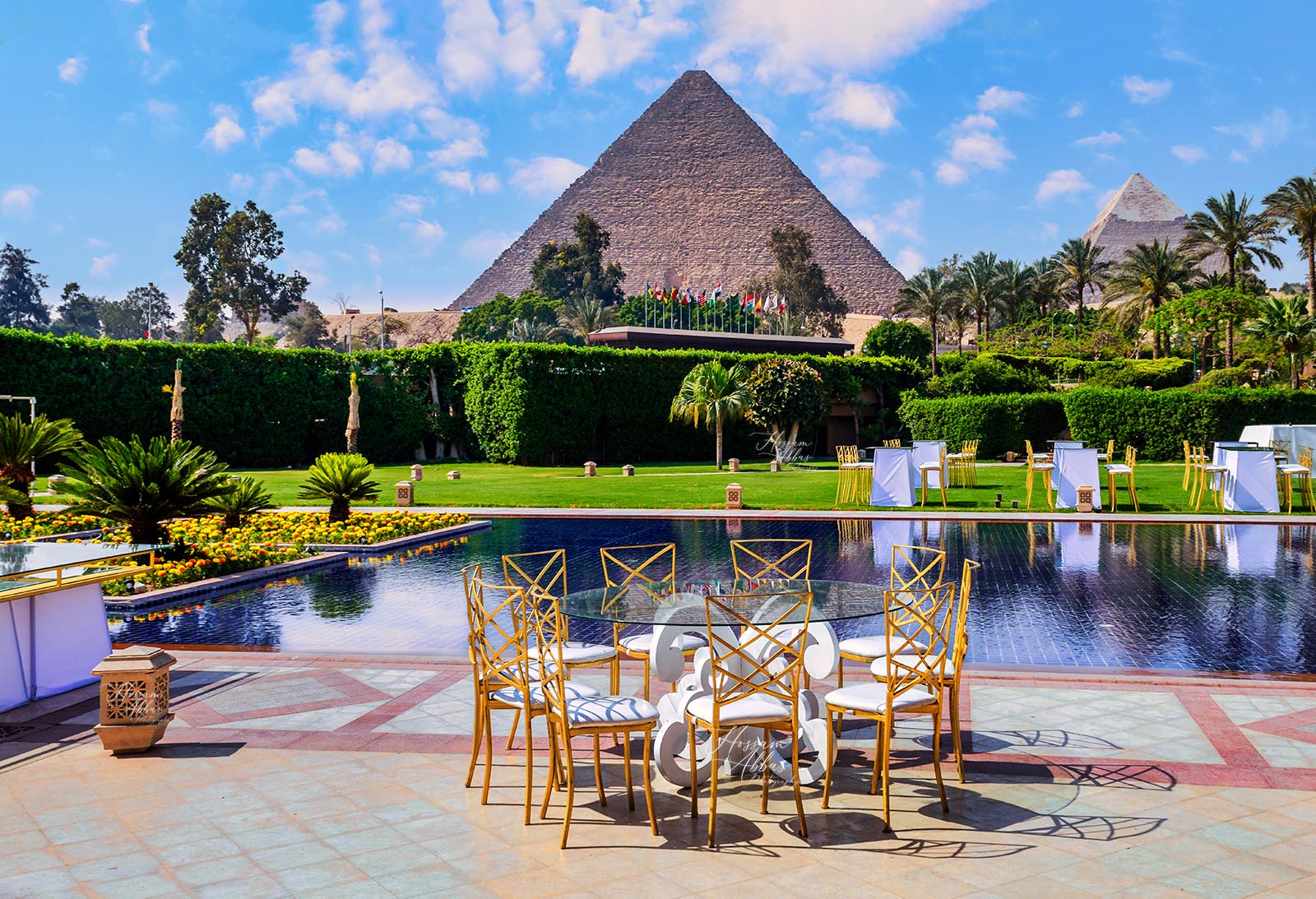
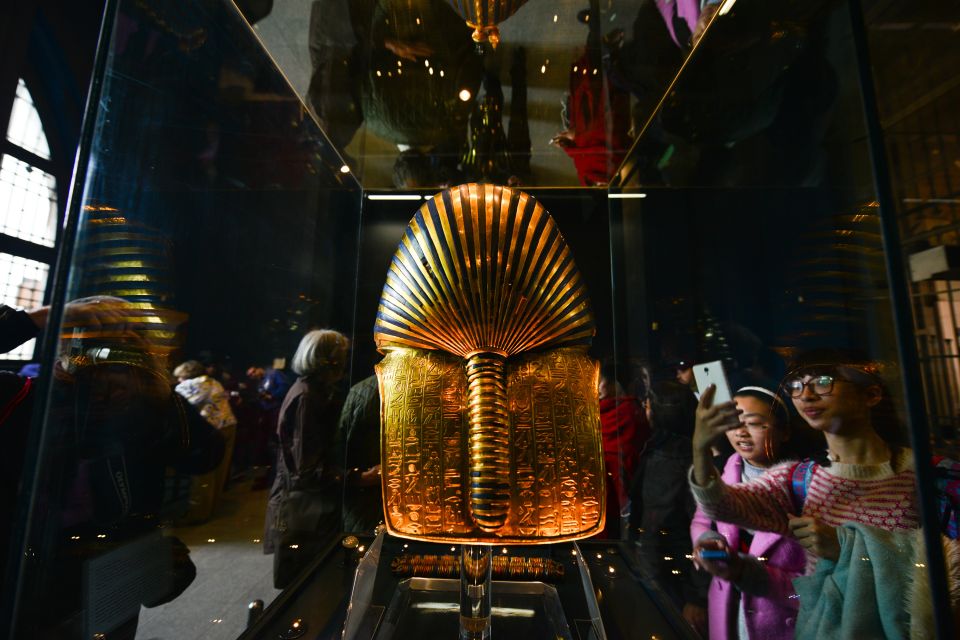
Begin your journey in Cairo, visiting landmarks like the Giza Pyramids, the Grand Egyptian Museum, and historic mosques. Furthermore, explore vibrant markets and enjoy fine dining experiences. As a result, you get a perfect introduction to Egypt’s rich heritage.
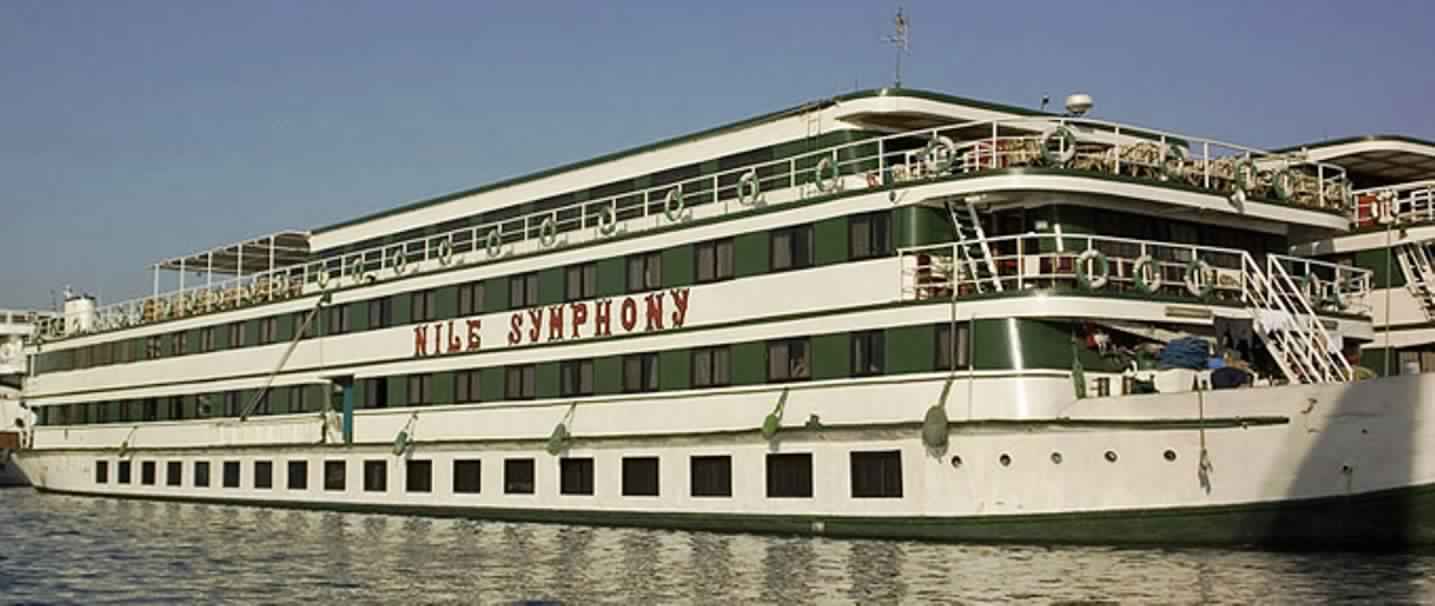
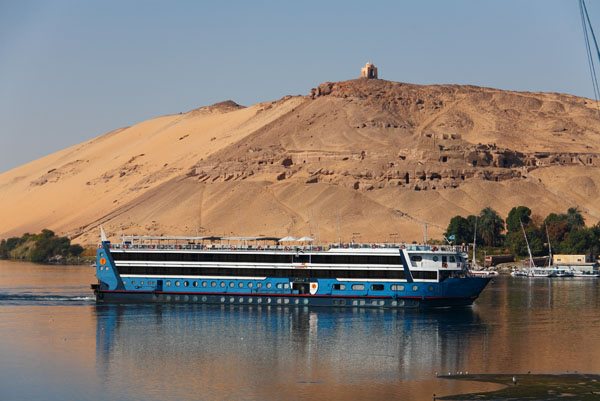
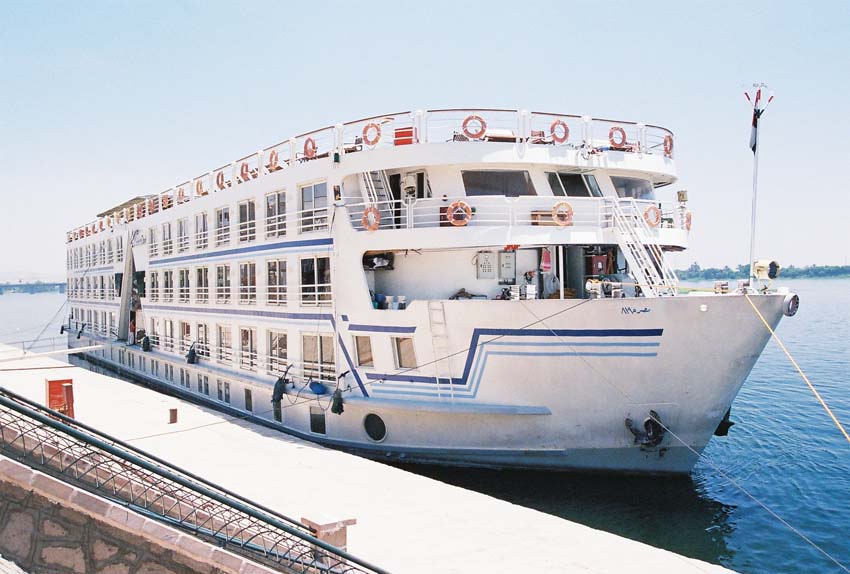
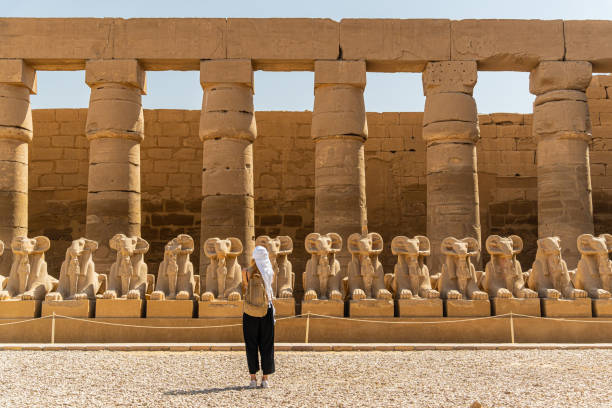
Next, enjoy a 4-night luxury Nile Cruise between Aswan and Luxor. During your voyage, visit temples such as Karnak, Luxor, Kom Ombo, and Philae. In addition, the cruise provides panoramic Nile views, gourmet meals, and elegant cabins. Therefore, you can relax while experiencing ancient history.
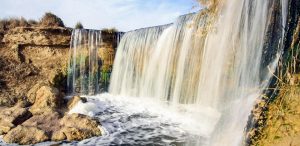
Finally, journey to the serene Fayoum Oasis, where natural beauty and traditional villages await. Moreover, explore lakes, waterfalls, and sand dunes, blending adventure with relaxation. Consequently, the tour balances cultural immersion with scenic tranquility.
In conclusion, this 15-day luxury tour combines history, culture, and leisure. You will enjoy private guides, premium accommodation, and unforgettable memories, making it an exceptional journey through Egypt.
🏺 Explore Cairo’s pyramids, museums, and historic sites
🚢 Sail the Nile on a 4-night luxury cruise
🏛️ Visit temples: Karnak, Luxor, Philae, Kom Ombo
🌴 Discover Fayoum Oasis and natural landmarks
🧭 Private Egyptologist guides throughout the tour
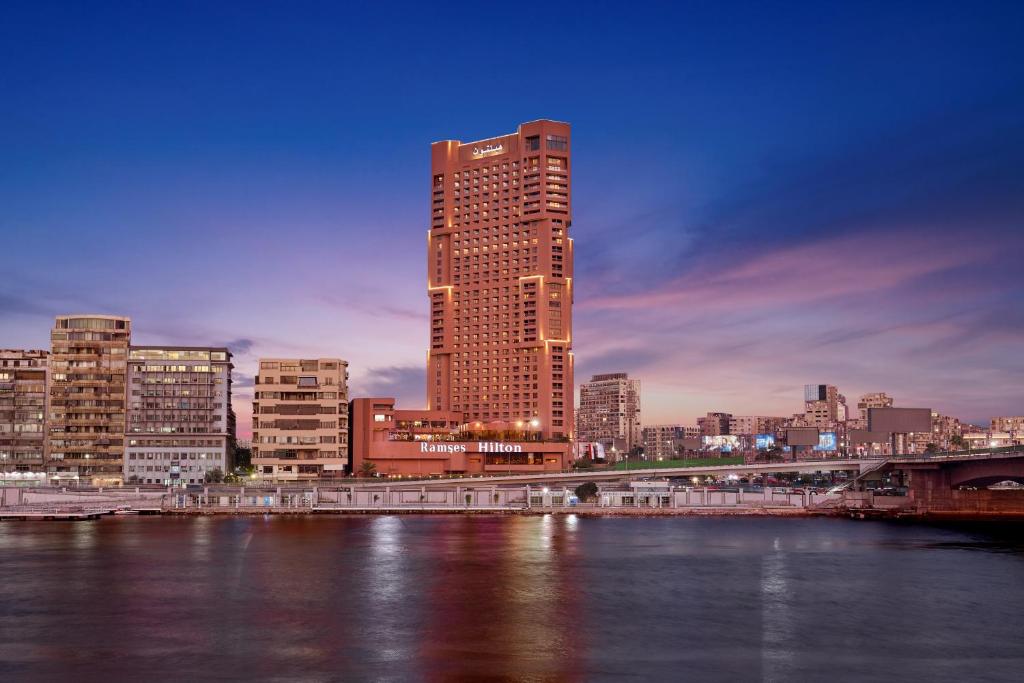
🏨 Stay in 5-star luxury hotels
📸 Capture scenic and historic Egypt photography moments
Welcome to Cairo. Your tour begins when you are greeted by our representative who will assist you. After you have collected your luggage, he will then take you, in our deluxe vehicle, to your Cairo hotel.
Overnight in Cairo
Meals: Welcome Drink
Start your day tour to Giza Necropolis where our driver will pick up you from your hotel in Cairo or Giza and join our professional tour guide to witness the real magnificence ancient Egyptian attractions through visiting:
The Step Pyramid of Saqqara
It’s called also step Pyramid of Zoser or Josser, due to the King Zoser who ordered his minister Imhotep to build it, this pyramid consists of six-layers, It’s height was about 197foot (60 meters). It is the first Pyramid ever built and it is the first largest scale stone building in the world.
The Southern Tomb
The southern tomb of King Djoser is located in the southern corner of his funerary complex in the Saqqara antiquities area. The cemetery consists of two parts. The upper part consists of a limestone Mastaba with a frieze decorated with cobras.
Serdab of Pharaoh Djoser
Serdab is a small enclosed structure that houses the ka statue (inhabited by the Pharoah’s soul) and with a small slit or hole with various purposes including allowing the soul of the deceased to move about freely, to breathe and eat – to let in the smells of the offerings and incense presented to the statue, and for the King’s Soul to witness the ceremonies outside.
Pyramid of Unas
The Pyramid of Unas is a smooth-sided pyramid built in the 24th century BC for the Egyptian pharaoh Unas, the ninth and final king of the Fifth Dynasty.
New Kingdom Cemetery
The New Kingdom (c.1550–1069 BC) cemetery south of the causeway of Unas is where several important officials of the Eighteenth to Twentieth Dynasties were buried.
The Tomb of Hormoheb
This monument is a source of information of prime importance on the history of Egypt under the reign of Tutankhamun. The reliefs, chiseled by forever anonymous craftsmen, are ever among the most accomplished recovered in ancient Egypt and are a major source for the history of the art.
The tomb from the time in which he was not yet Pharaoh Horemheb was discovered a first time in the 19th century, then it disappeared again under the sands. It was rediscovered in 1975 by Geoffrey Martin and his team who cleared the monument in four seasons of excavation.
The tomb of Maya
At the end of the 14th century BC, Maya was one of the major figures in the Egyptian state, from the reign of Tutankhamun to that of Horemheb. His prestigious career is attested by his many titles and epithets, the most important of which is "Overseer of the Treasury" (that is Minister of Finance). We'll discuss it.
The Serapeum
The Serapeum of Saqqara was the ancient Egyptian burial place for sacred bulls of the Apis cult at Memphis. It was believed that the bulls were incarnations of the god Ptah, which would become immortal after death as Osiris-Apis. a name which evolved to Serapis.
Pyramid Complex of Teti
Teti (c.2345–2323 BC), the first ruler of the Sixth Dynasty, built his pyramidal complex not far from the Step Pyramid of (c.2667–2648 BC), in Saqqara. Upon completion, it stood 52.5 m tall.
The mastaba tomb of Kagemni also known as Memi
The mastaba was discovered in 1843 by Richard Lepsius. It had to wait until 1905 before von Bissing would begin his publication of rooms IV to VIII, which wasn't completed until 1911.
The mastaba of Nikauisesi
The mastaba of Nikauisesi is situated in the north-east sector of the necropolis of Saqqara. The tomb was discovered in 1979-80 by the Supreme Council of Antiquities
The mastaba of Ankhmahor
The mastaba of Ankhmahor is situated on the northern side of Teti’s pyramid at Saqqara in the block of tombs belonging to the officials of the king’s Dynasty VI reign.
Memphis Open Air Museum
Memphis was the oldest capital of ancient Egypt, the first one that was founded after the unification of upper and Lower Egypt. The city was founded in the first dynasty (3100 BC).
At the end of this great day we will enjoy lunch in one of the best resturants that looks over the Pyramids and then we will go back to our hotel and overnight in Cairo.
Overnight in Cairo
Meals: Breakfast & Lunch
After breakfast at your hotel we will meet in the lobby and start our unique day tour to the Pyramids of Giza
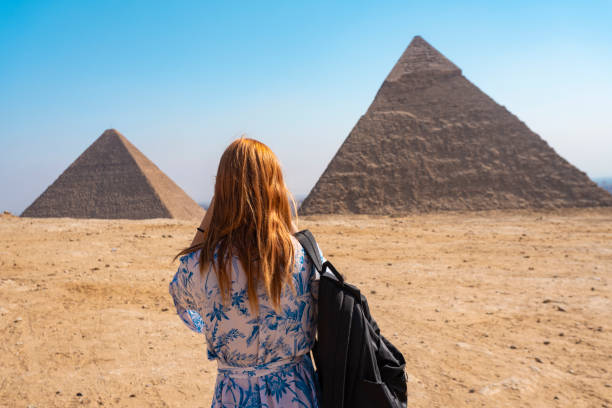
Giza Pyramids Complex
The three main pyramids of Giza (Khufu, Khafre, and Menkaure) are sufficient enough to build a 2-meter-long wall and span 100,000 square kilometers around the globe along with the equator.
The Great Pyramid
The Great Pyramid of King Khufu is considered largely represents the spirit of ancient Egypt, King Khufu who built this Pyramid as a cemetery has left little information about his reign. Khufu ruled for about twenty-four years. Ironically, despite the enormity of his pyramid, the only statue of King Khufu himself is really small statue carved from ivory
Tomb of Queen Meres ankh III
Under the shadow of the Great Pyramid lies the mastaba of Queen Meresankh III, the wife of Khafra and granddaughter of Khufu. Both very large and exquisitely decorated, this is indeed a tomb worthy of her rank and fortunately also contains the best-preserved wall reliefs in the Eastern Cemetery.
Camel Ride
During our visit to the Pyramids, you will experience the transportation of the ancient and will enjoy a camel ride for almost 30 Min to get the best shots around the pyramids you just need to prepare your camera.
The Magical Sphinx
Who among us when mentioning the name of the Sphinx does not think about this stone sculpture that carved in the form of the human head and lion body, which is located in the Giza plateau in Egypt the Sphinx is one of the oldest and the largest sculptures in the world, it’s about 73.5 meters long and 6 meters wide.
The Valley Temple
It was used as a place for the embalming process. This temple constructed definitely for two functions: First, it was used for the purification of the mummy before its burial. Second, it was used for making the Mummification process of the king.
The Grand Egyptian Museum
The museum houses a collection of the most valuable Egyptian artifacts ever from various periods of the Egyptian civilization, from the Predynastic Period to Coptic Egypt, with an estimated total of over 100,000 artifacts, including at least 20,000 that will be displayed for the first time ever, including the complete King Tutankhamun collection comprising 5,398 pieces. The Tut collection is on display in a 7,500 m2 section of the museum. Rare pieces that have been restored will be displayed for the first time, such as the second solar ship of Khufu, the restoration of which cost $5 million, the collection of Queen Hetepheres (mother of King Khufu), and the collection of Yuya and Thuyu (parents of Queen Tiye).
Overnight in Cairo
Meals: Breakfast & Lunch
Morning time, we will pick you up from your hotel in Aswan after having your breakfast, then drive you to Luxor hotel to check in and have some rest then take the chance to enjoy the exploration of the ancient city of Luxor and its impressive architectural heritage monuments, starting with:
The Complex of Karnak Temples
Built over two millennia between the years of around 2200 and 360 BCE, Karnak is a massive Ancient Egyptian temple complex that was one of the country's most important places of worship under the rules of Hatshepsut, Seti I, Ramesses II and Ramesses III.
The Temple of Luxor
Luxor Temple, Ipet‑resyt “Southern Sanctuary” to the ancient Egyptians, was so called because of its location within ancient Thebes (modern Luxor).
Sound & light show in Karnak
Enjoy Luxor Tours Watching Karnak Temple Sound and Light Show on the east bank illuminated at night with an audio-visual show that will explain how the temple was built and what life was like in Ancient Egypt. We will give you the chance to discover how life has been thousands of years ago? You will know about them through the splendid Sound and Light Show at the Karnak Temples. This spectacle will take about 75-minute first takes you around the temple grounds, and finally, the last act is played while you are seated along the Great Sacred Lake.
Overnight in Luxor
Meals: Breakfast & Lunch
In the beautiful morning from your Nile Cruise in Luxor, our tour guide will meet you to take you to enjoy a journey in the west bank of Luxor where you will visit:
The Valley of the Kings
The rulers of the Eighteenth, Nineteenth, and Twentieth Dynasties of Egypt’s prosperous New Kingdom (c.1550–1069 BC) were buried in a desolate dry river valley across the river from the ancient city of Thebes (modern Luxor), hence its modern name of the Valley of the Kings. This moniker is not entirely accurate, however, since some members of the royal family aside from the king were buried here as well, as were a few non-royal, albeit very high-ranking, individuals.
The Tomb of King Tut Ankh Amun
The tomb of the Eighteenth Dynasty king Tutankhamun (c.1336–1327 BC) is world-famous because it is the only royal tomb from the Valley of the Kings that was discovered relatively intact. Its discovery in 1922 by Howard Carter made headlines worldwide, and continued to do so as the golden artifacts and other luxurious objects discovered in this tomb.
The Tomb of King Ramses VI
This tomb was begun by King Ramesses V (c.1147–1143 BC) of the Twentieth Dynasty. Although it is uncertain whether he was ultimately buried here, it is clear that his uncle Ramesses VI (c.1143–1136 BC) enlarged the tomb and used it.
The Tomb of King Seti I
The tomb of Sety I is one of the longest, deepest, and most beautifully decorated tombs in the Valley of the Kings. Sety I (c.1294–1279 BC) was the second king of the Nineteenth Dynasty, and father of Ramesses II (the Great). His tomb, number 17 in the Valley of the Kings, is sometimes called “Belzoni’s tomb” after its discoverer.
The Tomb of King Merenptah
The second-largest tomb in the valley, Merenptah’s tomb has been open since antiquity and has its share of Greek and Coptic graffiti. Floods have damaged the lower part of the walls of the long tunnel-like tomb, but the upper parts have well-preserved reliefs. The corridors are decorated with the Book of the Dead, the Book of Gates and the Book of Amduat. Beyond a shaft is a false burial chamber with two pillars decorated with the Book of Gates.
The Tomb of King Ramses III
One of the most popular tombs in the valley, KV 11 is also one of the most interesting and best preserved. Originally started by Sethnakht (1186–1184 BC), the project was abandoned when workers hit the shaft of another tomb (KV10). Work resumed under Ramses III (1184–1153 BC), the last of Egypt’s warrior pharaohs, with the corridor turning to the right, then left. It continues deep (125m overall) into the mountain and opens into a magnificent eight-pillared burial chamber.
The Tomb of King Ramses IV
Originally intended to be much larger, KV 2 was cut short at 89m on the early death of the pharaoh (1147 BC) and a pillared hall was converted to be the burial chamber. The sarcophagus is in place with a magnificent goddess Nut filling the ceiling above it. Close to the entrance of the valley, this tomb was opened in antiquity and inhabited (there is Greek, Roman and Coptic graffiti), and used as a hotel by many 18th- and 19th-century visitors.
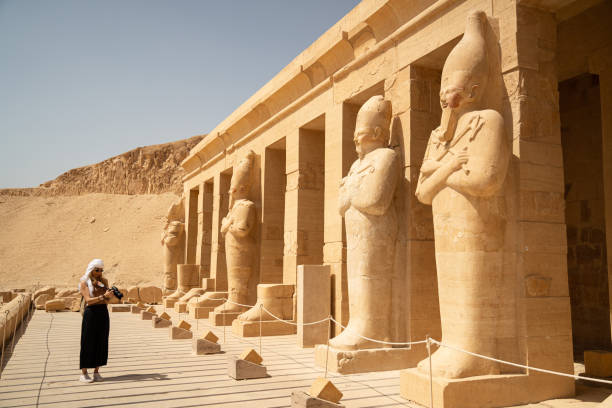
The Temple of Hatshepsut
Hatshepsut (c.1473–1458 BC), the queen who became Pharaoh, built a magnificent temple at Deir al-Bahari, on the west back of Luxor. It lies directly across the Nile from Karnak Temple, the main sanctuary of the god Amun. Hatshepsut’s temple, Djeser-djeseru “the Holy of Holies” was designed by the chief steward of Amun, Senenmut.
The Colossi of Memnon
These two faceless colossi (the plural of colossus, which just means larger-than-life statue) are the first thing visitors see when they reach the west bank of the Nile opposite Luxor. This isn't surprising when you hear their dimensions: they tower 60 feet (18 m) above the plains and are estimated to weigh an enormous 720 tons each.
Your lunch will be served in a local restaurant before we go and check in at your hotel in Luxor and overnight.
Overnight in Luxor Hotel
Meals: Breakfast, Lunch
You can enjoy an early breakfast, while the cruise boat crosses the Esna lock to the city of Esna. Once the boat is moored you will visit the best-preserved temple in Egypt: The Temple of Horus.
Edfu Temple
Built during the Ptolemaic Kingdom between 237 and 57 BC, the Temple of Horus at Edfu is generally regarded to be the best-preserved of the Ancient Egyptian sanctuaries. For 200 years, the structure was buried under almost 40 feet (12 metres) of desert sand and silt from the Nile, which incredibly helped to conserve it to near-perfection.
After your visit to this superb temple, you will be taken back to the boat for your lunch while it sails onward to Kom Ombo. Enjoy sun bathing and tea time on the deck of the Cruise. Once a shore you will visit the Temple of Kom Ombo
Kom Ombo Temple
The temple is unique for its dedication to two different deities: the local crocodile-headed god Sobek, and the first "god of the Kingdom", the falcon-headed god Horus the Elder (also called Haroeris). This double dedication was deliberate. Not only is it architecturally duplicated, with two sets of courts, hypostyle halls and sanctuaries, the twin temple is symbolic of the local and Universalist themes that the two different deities represented. After this great visit you will return back to the cruise for your dinner being served as it sails majestically towards Aswan.
Overnight in Nile Cruise
Meals: Breakfast & Lunch & Dinner
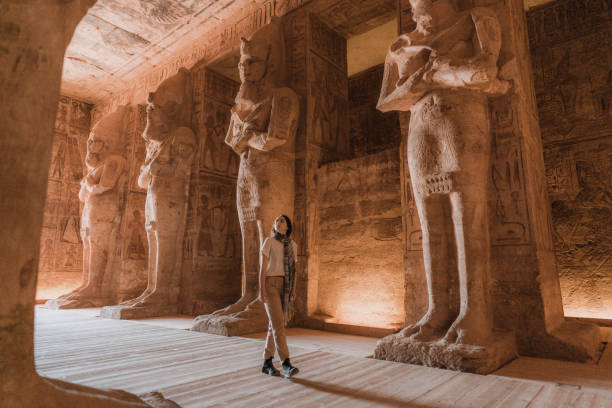
At the morning, enjoy your breakfast on the cruise then you will join your tour guide to the enchanting “Abu Simbel Temple” which is known to be a true piece of art. The two temples were carved out of the mountainside in 1200 BC during the reign of Pharaoh Ramesses II the second and his wife Queen Nefertari.
All the carvings, artwork, wall paintings, statues are extremely beautiful and tell incredible stories about Ramses victories at the battle of Kadesh and honor many gods like Ra, Amon, and Ptah.
Abu Simbel Temples
Abu Simbel temple complex includes 2 individual temples that were built during the reign of Pharaoh Ramses II. The great temple was built for the king himself to commemorate his coronation and his birthday and it has been built in a very impressive accurate way which makes the whole world await the Sun Festival that occurs only twice a year in the great temple of the Pharaoh to witness the miracle that occurs there. The smaller temple was built as a sign of love & appreciation from the king to his beloved queen Nefertari and she was the only wife of the king for whom he has built a temple.
Lunch will be served in a local restaurant before leaving back to Aswan and rest for a while in your hotel and in the evening we will visit the Nubian Museum where we can enjoy the great artifacts of the Nubians of Egypt and explore an important period of the ancient Egyptian history and Civilization.
The Nubian Museum
Opened in 1997, the Nubian Museum is a belated, but well-executed, tribute to the culture and influence of Nubia and the Nubian people on the history of Egypt. This ancient culture, every bit as old as that of Ancient Egypt, existed along the banks of the Nile for millennia in the areas we call southern Egypt and northern Sudan today.
After your tour finishes you will return back to the hotel and overnight in Aswan.
Overnight in Aswan Hotel
Meals: Breakfast, Lunch
A new day on board starts with breakfast, and then you will be driven to see the High Dam, the worlds largest rock filled dam, and the Temple of Philae moved to the island of Agilika after the waters of Lake Nasser flooded its original location. At the end of your tour drive back to rejoin your cruise for lunch. After lunch, we will have a felucca ride in the Nile and visit the Botanical Island and the Nubian Village.
Aswan High Dam
At Aswan High Dam, you’ll hear from your tour guide the whole story of its construction and how it helped the Egyptians a lot to improve their economic and social state. Then, you’ll move to witness the miraculous:
The Unfinished Obelisk
The Unfinished Obelisk was supposed to be standing in front of Hatshepsut Temple but some cracks happened to it which leads Queen Hatshepsut to order her men to move it to Aswan and it is characterized with its majestic size.
Philae Temples
Philae Temple was constructed in 690 B.C and it had been relocated with the help of the UNESCO because it was in great danger from the High & Low Dams of Aswan. It was dedicated to goddess Isis.
The Nubian Village & The Botanical Island
Discover the colorful culture of Nubia, one of Africa's oldest civilizations, traveling by felucca sailboat or modern motorboat, you'll meet locals, visit a traditional house, drink tea, and have free time to explore villages independently while Kitchener’s Island, to the west of Elephantine
After this great visit you will be transferred to Aswan Airport to catch your flight back to Cairo where you will be met upon arrival and get transferred to your hotel for your last night in the Land of Pharaohs.
Overnight in Cairo Hotel
Meals: Breakfast, Lunch & Dinner
Breakfast at the hotel is followed by a full day tour, I will meet you at 8 am in the hotel lobby and start our visit to the
The National Museum of Egyptian Civilization.
The first museum of civilization in the Arab world, the NMEC will present a comprehensive view of Egyptian civilization from prehistory to the present day, taking a multidisciplinary thematic approach designed to highlight Egypt’s tangible and intangible heritage. A museum of a new kind, unknown so far in Egypt and the entire Middle East region, the NMEC’s main goal is to “share knowledge”, to connect with the surrounding Egyptian society and to offer international visitors a richer and deeper insight into the meaning of Egyptian culture through the ages.
The Citadel of Cairo
Salah Al-Deen (known as Saladin to European historians) overthrew the Fatimid dynasty in 1171 AD, establishing the new Sunni Ayyubid Caliphate. Given the threat of invasion by European crusader armies, Saladin decided to improve the fortifications of the city and in 1176 AD he began construction of a wall that would encircle both Al-Qahira (today Islamic) and Fustat (Old Cairo). Saladin’s Citadel served as the seat of government in Egypt for 700 years until Khedive Ismail moved into Abdin Palace in newly constructed Downtown Cairo in the 1870’s.
Mohamed Ali Mosque
The Mosque of Muhammad Ali is located inside the Citadel of Salah al‑Din al‑Ayyubi (Saladin) in Cairo. It was built by Muhammad Ali Pasha (1220–1264 AH/1805–1848 AD), the founder of the Muhammad Ali Dynasty (1220–1372 AH/1805–1953 AD), on the site of Mamluk palaces. He had these demolished to make room for his new building, which is also known as the "Alabaster Mosque", in reference to its marble paneling on its interior and exterior walls. The mosque’s twin minarets are the highest in all of Egypt, each reaching a height of 84 meters.
National Military Museum
This museum is the first of its kind to be devoted to the history of the Egyptian military through the ages. The museum was first located in the building of the Ministry of Defense in Falaki in 1937, after which it was transferred to another building in the neighborhood of Garden City in 1938, before finally being transferred to al-Haram Palace in 1949 in the Cairo Citadel in 1949.
National Police Museum
The National Police Museum is one of the museums in the Salah al-Din Citadel, located in its northern section. Its exhibitions display the history of Egypt’s police force.
Sultan Hassan & Elrefai Mosques
Mosque of Sultan Hassan is a primal example of the early Islamic Mamluk architecture between 1356 A.D and 1363 A.D. The Mosque is 150m in length and covering 7,906 sq m inland and its walls reach the height of 36 m.
Overnight in Cairo
Meals: Breakfast & Lunch
Breakfast at the hotel followed by check out and transfer to Luxor airport to catch you flight back to Cairo then we will have a marvelous day tour to the Egyptian Museum and the holy part of Cairo. After having Lunch and finishing our great day we will check in the hotel in Cairo once more.
The Egyptian Museum
Centrally located on the edge of Tahrir Square in Cairo, the Egyptian Museum is hard to miss on any tour of Cairo. Opening in 1902, it was purpose-built to house the antiquities of Ancient Egypt. The museum was founded in 1857 by French Egyptologist August Mariette.
Coptic Cairo: Coptic Cairo is unique area with Old Cairo that has a concentration of Christian churches and other sites that date from the centuries between the decline of the pharaonic religion and the arrival of Islam when Egypt had a Christian majority. Coptic Cairo is largely built around the fort of Babylon on upon the remains of its walls.
Saint Mercurius Church
Saint Mercurius Church in Coptic Cairo is a Coptic Orthodox church situated just to the north of the Babylon Fortress in Old Cairo among a group of important churches, and within the area known as the Abu Sayfayn Cloister is to be found three churches and a convent. One of these churches, dedicated to Saint Mercurius, and is the largest in the district of ancient Babylon. The church is named after St. Philopater Mercurius who is known as Abu Sayfayn ("double sworded").
Hanging Church
The Hanging Church is named for its location above a gatehouse of Babylon Fortress, the Roman fortress in Coptic Cairo (Old Cairo); its nave is suspended over a passage. The church is approached by twenty-nine steps; early travelers to Cairo dubbed it "the Staircase Church".The land surface has risen by some six meters since the Roman period, so the Roman tower is mostly buried below ground, reducing the visual impact of the church's elevated position.
Church of the Holy Virgin (Babylon El-Darag)
The Church of the Holy Virgin in Babylon El-Darag was occupied from the 11th to the 15th centuries by several Coptic patriarchs, seven of whom were buried in the church. Pope Zacharias was one of them.
Pope Cyril VI of Alexandria used to pray in the church before assuming papacy. According to tradition, the church was one of the resting places of the Holy Family during their sojourn in Egypt, as well as the location from which Peter sent his epistle. Saints Sergius and Bacchus Church
Saints Sergius and Bacchus Church is traditionally believed to have been built on the spot where the Holy Family, Joseph, Mary and the infant Jesus Christ, rested at the end of their journey into Egypt. They may have lived here while Joseph worked at the fortress.
The church is of significant historical importance, and in fact, it is where many patriarchs of the Coptic Church were elected. The first to be elected here was Patriarch Isaac (681-692).
Enjoy your lunch and it will be served at a local restaurant after the day tour. Then return to your hotel and overnight in Cairo.
Overnight in Cairo
Meals: Breakfast & Lunch
Fayoum was a key Ancient Egyptian city, important for its strategic location and often noted as the city of the crocodile god Sobek, which is why the Greeks referred to it as Credophiles. Fayoum was later absorbed by the Roman and Greek Empires.
I will pick you up from your hotel in Cairo to enjoy El Fayoum famous sites. From Cairo to Fayoum is about 95 km. Today all visits are in Wadi El Ryan
Wadi El Ryan
The Protected Area of Wadi El-Rayan is situated in the Western Desert of Egypt about 40 kilometers to South-west of the city of Fayoum, 150 kilometers to the South of Cairo, the Egyptian capital. Wadi El Rayan is separated from the depression of El Fayoum by a large limestone area.
The Valley of the Whales in Fayoum
Wadi Al-Hitan was the location of the Tethys Sea and after 40 to 50 million years the water was gone and left the Western Desert with many fossil skeletons for the sea creatures. These skeletons were discovered due to winds and erosion then the humans interfered to continue discovering this huge treasure which helps in understanding the earth’s development until today. This wonderful open museum made it possible to reach the deeper land of the sea to discover what was going there. The archeological excavations happen now in Wadi Al-Hitan sponsored by the National Geographic Society and the University of Michigan.
Mudawara Mountain
Mudawara Mountain is located only a couple of hundred meters to the south of Wadi El Rayyan Road, just after it passes to the north of El Fayoum Lake. You can park at the edge of the road, or some people actually drive across the desert to the base of the formation. Mudawara Mountain, 45 million years old, is associated with the pre-Middle Leocene period, which moved north of Egypt, resulting in arches in the north-east and south-west direction.
Enjoy your lunch and it will be served at a local restaurant after the day tour. Then return to your hotel and overnight in Cairo.
Overnight in Cairo Hotel
Meals: Breakfast, Lunch
🌟 Discover a different side of Cairo — where royal elegance meets timeless Islamic heritage.
🏰 First, step into the magnificent Baron Empain Palace in Heliopolis. Admire its unique Indian-inspired architecture, detailed carvings, and fascinating history. This hidden gem reflects the luxury and glamour of early 20th-century Cairo.
🕌 Next, visit the legendary Mosque of Ibn Tulun, one of Egypt’s oldest and largest mosques. Climb the iconic spiral minaret and enjoy breathtaking panoramic views over Old Cairo. Feel the peaceful atmosphere inside its vast courtyard.
🏠 Then, explore the charming Gayer-Anderson Museum, a beautifully preserved Ottoman house filled with rare Islamic, Pharaonic, and Asian treasures.
🏛️ Continue your journey along historic Al-Muizz Street, the largest open-air museum of Islamic monuments in the world.
🛍️ Finally, immerse yourself in the vibrant atmosphere of Khan el-Khalili Bazaar. Shop for handmade crafts, spices, silver jewelry, and authentic souvenirs. Relax at a traditional café and enjoy Egyptian tea or coffee.
Overnight in Cairo Hotel
Meals: Breakfast, Lunch
Your day starts with breakfast in your hotel followed by a 2.5-hour drive, in our air-conditioned vehicle, to Alexandria where you will visit the following.
The Catacombs of Kom Alshaqafa
The Catacombs of Alexandria are the largest and most important burial site in Egypt that has a mixture of Roman, Hellenistic, and ancient Egyptian decorative art and elements that were all common during this period in Alexandria.
The Pmpai`s Pillar
It’s a column that stands on a rocky hilltop in the middle of Alexandria. Pompey Pillar is a triumphal monument erected around 300 AD for the Roman Emperor Diocletian.
Qait Bay Citadel
Qaitbay Citadel has been built during the 14th century by (Sultan Qaitbay) to defend Alexandria from the attacks of The Ottoman Empire. You can enjoy the Sea views, wonderful restaurants, and unforgettable touristic items while visiting it.
Lunch will be served during the day tour in a sea view restaurant in Alexandria and then we will continue our tour to visit
Library of Alexandria
Alexandria Library is the most ancient library of classical antiquity. In it, you can find a copy of every book published all over the World. It’s not just a building, it’s a complex where all arts, philosophy, ancient history come together.
Finally, we will transfer you in a private air-conditioned car to back to your hotel
Overnight in Cairo
Meals: Breakfast & Lunch
After breakfast you will check out and will be taken to a unique experience in Cairo which includes
The Museum of Islamic Art
It contains one of the largest and most extensive collections of Islamic artifacts in the world. The idea of collecting and display the grand collection of artifacts began in 1880 AD. Eventually the building was established and inaugurated in 1903 AD, during the region of Khedive Abbas Helmy ll. The building’s facade was made in the Mamluk style and is adjacent to the National Library of Egypt.
Manial Palace Museum
The Museum of Prince Muhammad Ali’s Palace in Manial is one of the most beautiful and important historical museums in Egypt. The museum exhibits an important period in the history of modern Egypt and is characterized by its architectural design. Its modern Islamic style merges with Persian and Mamluk elements. It was also inspired by Syrian, Moroccan and Andalusian motifs, as well as Ottoman style. The building thus harmonizes between a number of Islamic architectural traditions.
The Pharaonic Village
The Pharaonic Village is a living museum located near Cairo, Egypt that exhibits ancient Egyptian life The Pharaonic Village aims to bring ancient Egyptian history to life. Upon entering, visitors encounter actors in Pharaonic costumes reenacting daily activities such as making papyrus, fishing, painting, sculpting, farming, and mummification.
Overnight in Cairo
Meals: Breakfast, Lunch
Day 15: Fly back home
Breakfast at hotel. Check out and transfer to Cairo International Airport for final departure.
Meals: Breakfast
Hear from travelers who trusted us to create unforgettable journeys and memories.
"The Egypt tour exceeded all my expectations. Our guide was incredibly knowledgeable and the accommodations were fantastic. A truly unforgettable experience!"
New York, USA
"The Nile cruise was absolutely magical. Waking up to the sunrise over the Nile and visiting ancient temples was a dream come true. Highly recommend!"
London, UK
"Petra at night was breathtaking. The candlelit path through the Siq to the Treasury is something everyone should experience. Thank you for organizing such a perfect trip!"
Sydney, Australia
"From the Pyramids to the Red Sea, every moment was perfectly planned. The team was professional and attentive. Can't wait to book our next adventure!"
Toronto, Canada
"The diving in Hurghada was world-class. Crystal clear waters, vibrant coral reefs, and an incredible variety of marine life. Best diving experience of my life!"
Berlin, Germany
Discover more amazing tours similar to this one.