
Featured
Experience the beauty of Egypt on an unforgettable 11-day budget vacation through Cairo, Siwa Oasis, Aswan, and Luxor. Explore the Great Pyramids, magical desert landscapes, ancient temples, royal tombs, and authentic Egyptian culture while enjoying affordable comfort and unforgettable experiences.
Step into a world where ancient civilization, breathtaking desert landscapes, and timeless Nile treasures come together in one unforgettable journey. This incredible budget-friendly vacation allows you to experience the very best of Egypt while exploring the legendary landmarks of Cairo, the magical beauty of Siwa Oasis, and the extraordinary temples of Upper Egypt in Aswan and Luxor.
From the iconic pyramids and royal tombs to desert springs and peaceful palm groves, every destination reveals a different side of Egypt’s rich culture and fascinating history.
Moreover, this carefully designed package combines adventure, relaxation, history, and authentic local experiences while keeping your travel budget affordable and comfortable.
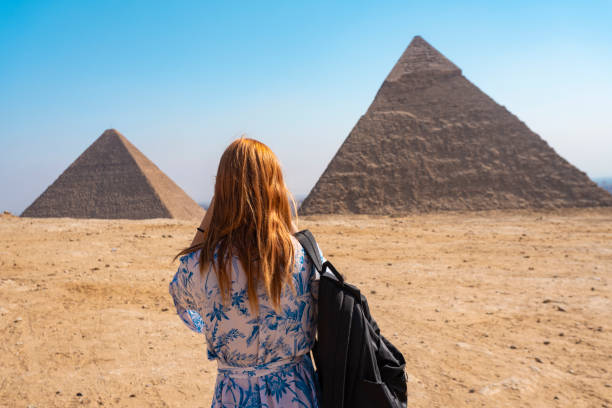
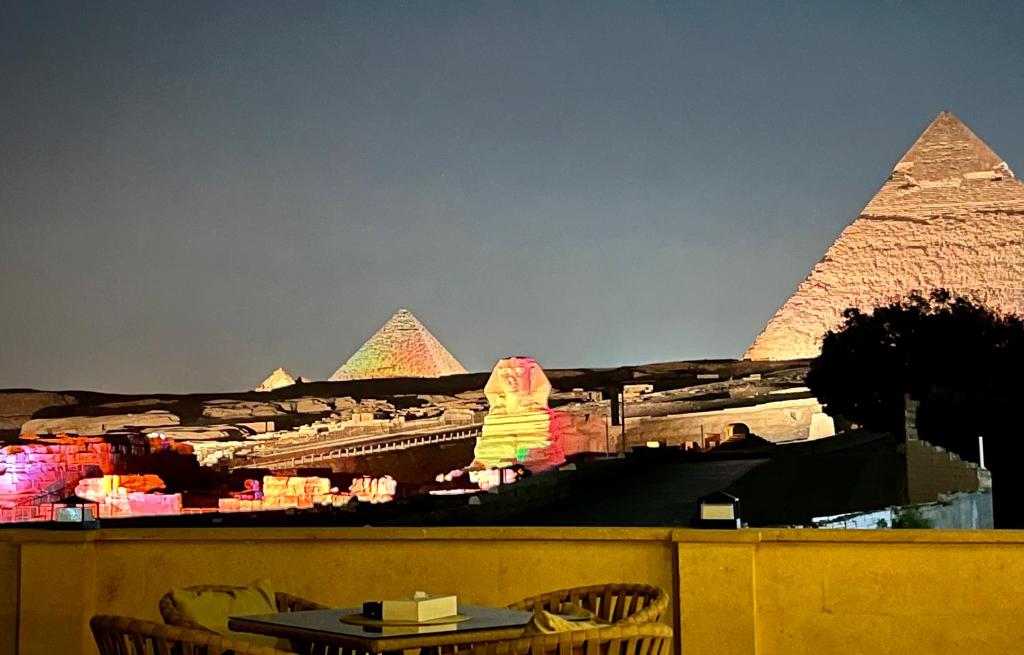
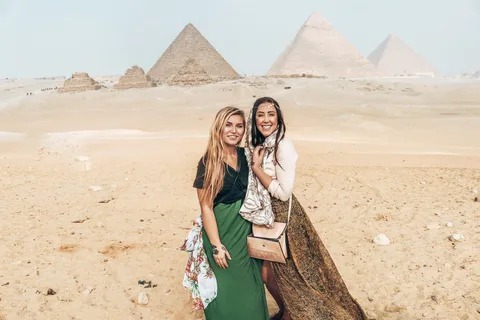
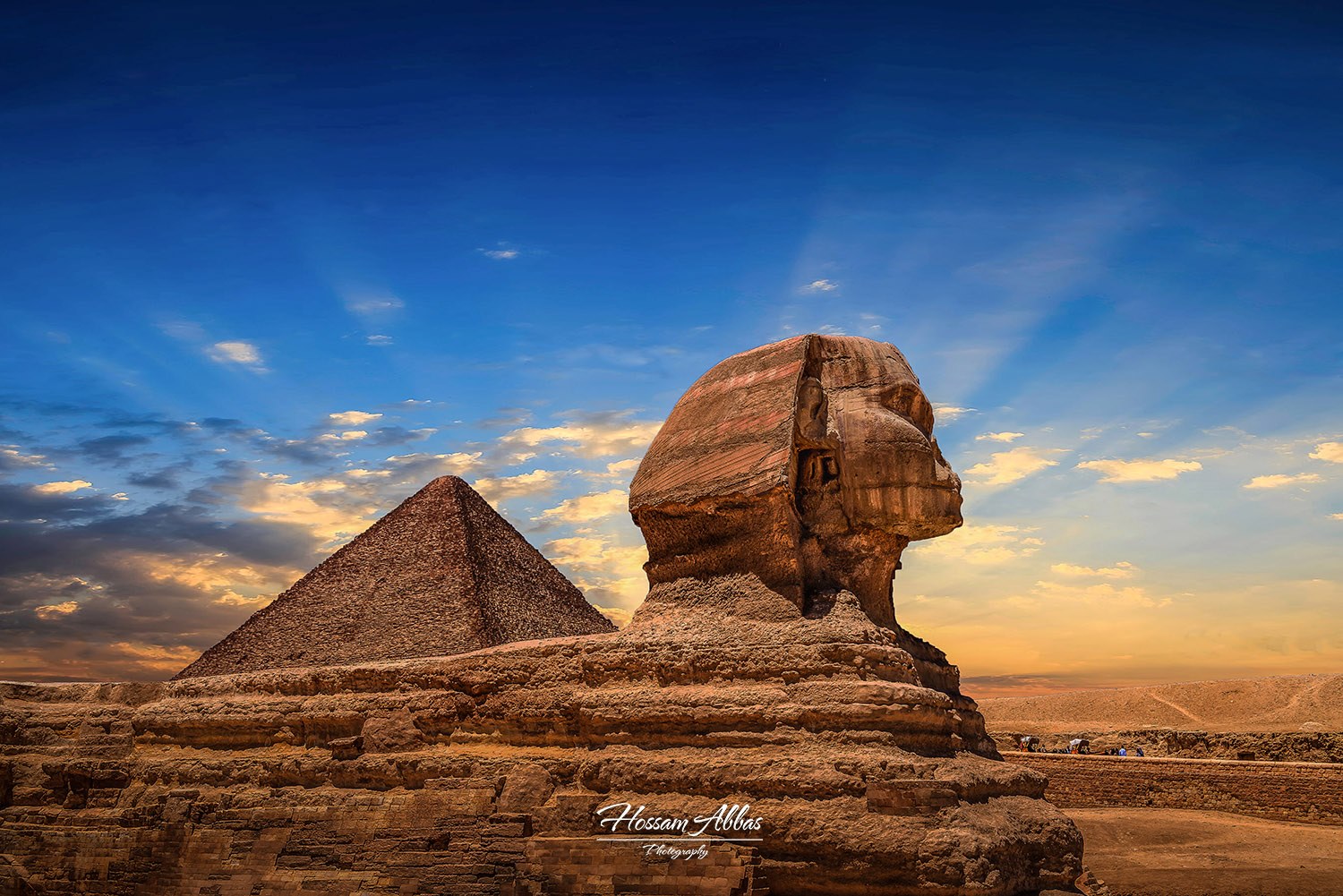
Your Egyptian adventure begins at the world-famous Giza Pyramids, one of the most extraordinary archaeological sites ever built.
Stand beside the Great Pyramid and admire the mysterious Sphinx while enjoying unforgettable panoramic desert views. In addition, you will discover the fascinating history behind these ancient wonders and capture stunning photos that will remain with you forever.
The journey also includes visits to some of Cairo’s most important cultural landmarks, museums, and traditional areas where Egypt’s ancient and modern worlds blend beautifully together.
Escape the busy city atmosphere and discover the peaceful paradise of Siwa Oasis, one of Egypt’s most beautiful hidden treasures.
Surrounded by golden sand dunes, palm trees, salt lakes, and natural springs, Siwa offers a completely different side of Egypt filled with tranquility and breathtaking desert scenery.
Relax in natural hot springs, explore ancient mud-brick villages, and enjoy unforgettable desert sunsets that paint the sky with magical colors. Furthermore, Siwa’s unique culture, traditional lifestyle, and warm hospitality create an authentic and deeply memorable experience.
Whether you enjoy adventure, photography, or peaceful relaxation, Siwa Oasis offers the perfect escape into nature and history.
Continue your journey south to the enchanting city of Aswan, where the Nile River flows peacefully through stunning landscapes and ancient monuments.
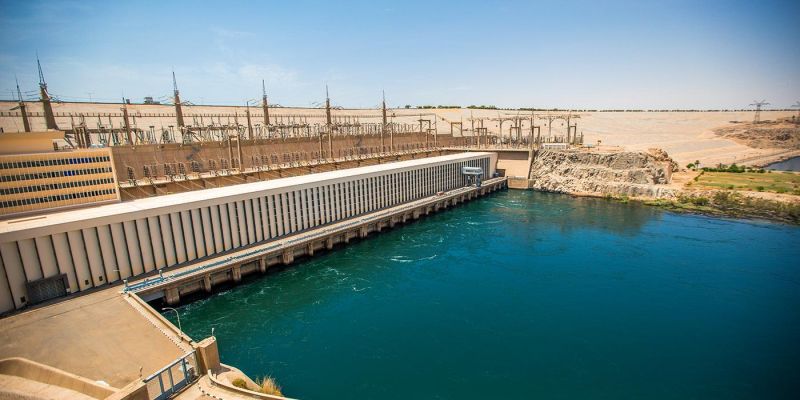
Explore the magnificent Philae Temple, beautifully located on an island surrounded by crystal-clear Nile waters. You will also discover the impressive Aswan High Dam and the fascinating Unfinished Obelisk, which reveal the engineering brilliance of ancient Egypt.
Aswan’s relaxed atmosphere, colorful Nubian culture, and scenic Nile views make it one of Egypt’s most charming destinations.
Travel to the legendary city of Luxor, often described as the world’s greatest open-air museum.
Here, you will discover some of Egypt’s most magnificent ancient sites, including the breathtaking Valley of the Kings, where the tombs of powerful pharaohs remain hidden deep inside the mountains.
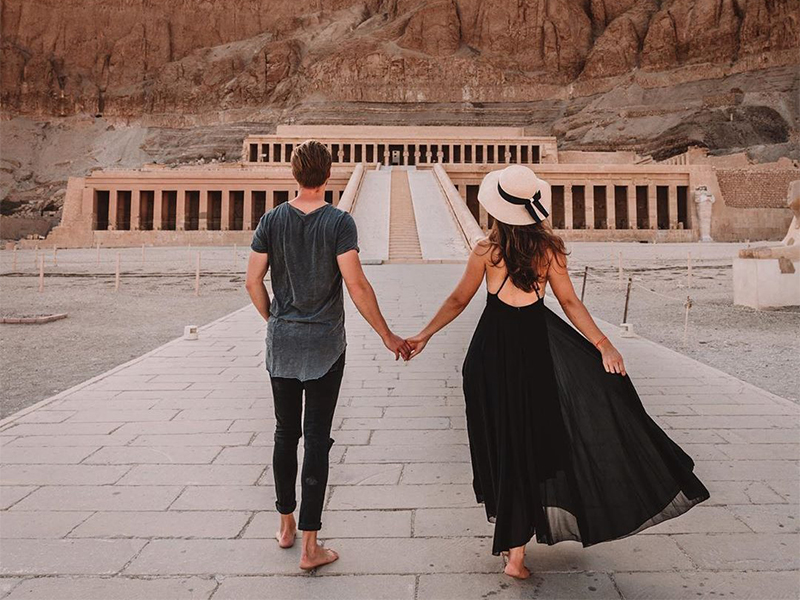
Continue your journey to the spectacular Temple of Hatshepsut, one of Egypt’s architectural masterpieces, before admiring the giant Colossi of Memnon standing proudly for thousands of years.
Additionally, you will explore the extraordinary Karnak Temple Complex and the elegant Luxor Temple, where ancient columns, statues, and hieroglyphics reveal the greatness of ancient Thebes.
This journey is not only about monuments and temples. Instead, it offers a deep cultural experience that allows you to connect with Egypt’s authentic spirit.
Wander through traditional markets, meet friendly locals, enjoy authentic Egyptian cuisine, and experience the warmth of Egyptian hospitality everywhere you go.
From bustling Cairo streets and desert villages to peaceful Nile scenery and historic temples, every destination offers unique memories and meaningful cultural experiences.
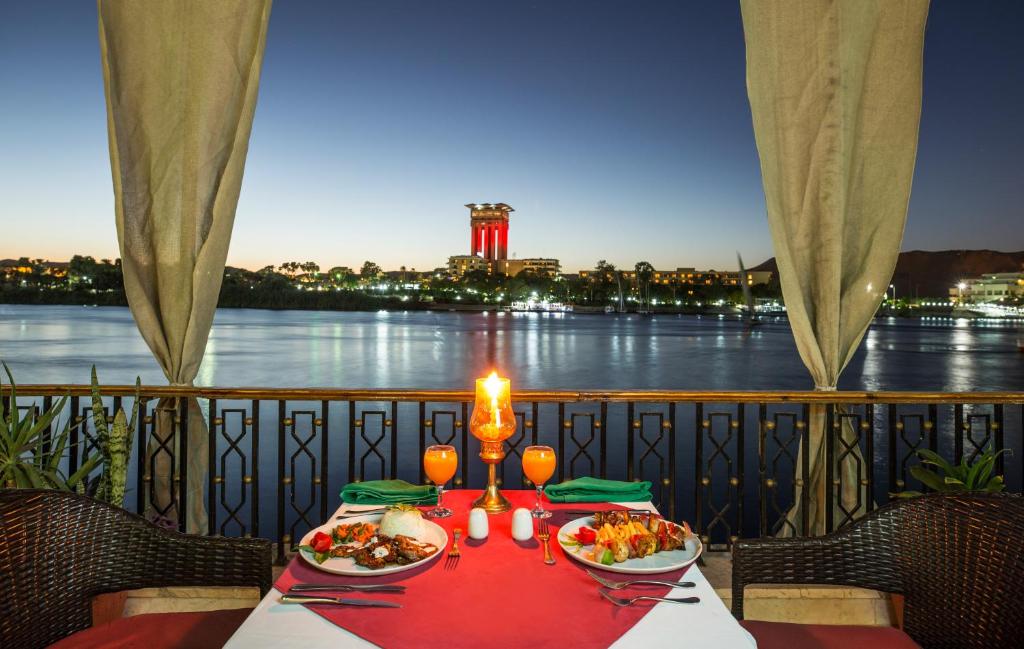
Throughout your journey, you will enjoy delicious Egyptian cuisine prepared with fresh local ingredients and traditional recipes.
Taste flavorful grilled dishes, local bread, fresh vegetables, oriental desserts, and refreshing drinks while experiencing the rich culinary traditions of Egypt.
Moreover, local dining experiences provide the perfect opportunity to connect with Egyptian culture in a genuine and enjoyable way.
Every moment of this vacation offers unforgettable photo opportunities and magical experiences — from the golden pyramids and peaceful desert landscapes to majestic temples and scenic Nile sunsets.
Whether you love history, photography, adventure, or cultural exploration, this journey promises incredible memories that will stay in your heart forever.
Egypt is more than a destination. It is a timeless experience waiting to be discovered.
🔺 Explore the legendary Giza Pyramids & Great Sphinx
🏺 Discover Egypt’s ancient history and cultural treasures
🏜️ Experience the magical beauty of Siwa Oasis
🌅 Enjoy breathtaking desert sunsets and natural springs
🚢 Discover the peaceful beauty of the Nile River
🏛️ Visit the magnificent Philae Temple in Aswan
👑 Explore the Valley of the Kings royal tombs
🌄 Visit Hatshepsut Temple & Colossi of Memnon
🕌 Discover Karnak Temple & Luxor Temple
🍽️ Taste authentic Egyptian cuisine and local specialties
📸 Capture unforgettable moments across Egypt’s top attractions
💰 Enjoy an affordable and comfortable Egyptian vacation
👟 Wear comfortable walking shoes for sightseeing tours
🧴 Bring sunscreen, sunglasses, and a hat during daytime visits
📷 Keep your camera fully charged for incredible scenery and landmarks
💵 Carry small cash for local markets, souvenirs, and tips
🚰 Drink enough water, especially during desert excursions
🧥 Bring light clothing for daytime and a jacket for cooler evenings in Siwa
🤝 Respect local customs and dress modestly at religious sites
⏰ Start excursions early to enjoy cooler temperatures and quieter attractions
📱 Keep travel documents and valuables secure during your trip
This 11-day adventure combines Egypt’s most famous historical attractions with the peaceful beauty of Siwa Oasis and the timeless charm of the Nile Valley — all at an affordable price.
You will experience ancient pyramids, desert adventures, royal temples, authentic culture, and unforgettable landscapes while enjoying excellent value, comfortable travel, and carefully selected experiences designed to make your journey truly special.
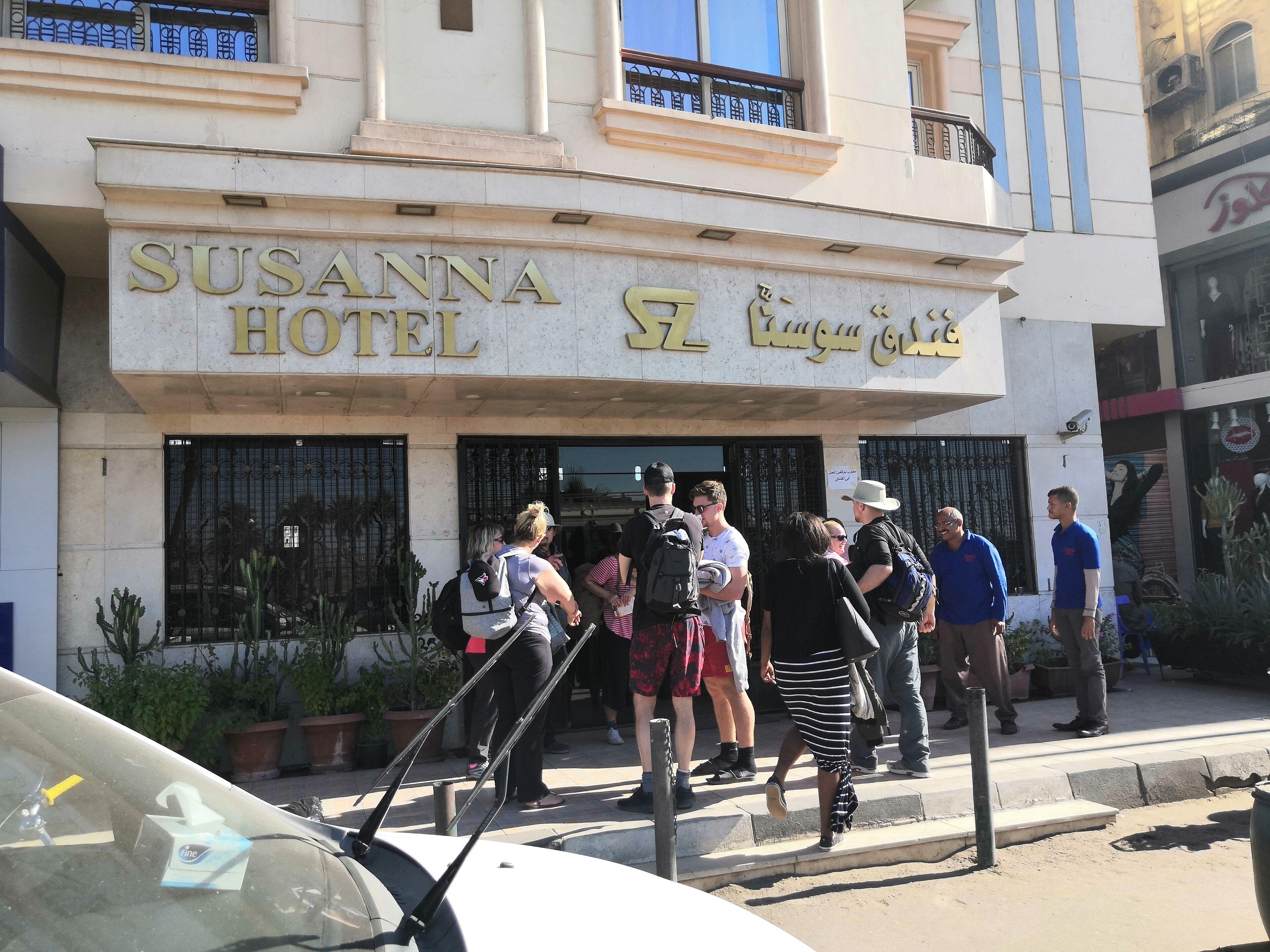
Welcome to Cairo. Your tour begins when you are greeted by our representative who will assist you. After you have collected your luggage, he will then take you, in our deluxe vehicle, to your Cairo hotel.
Step into the heart of ancient Egypt on an unforgettable day tour to the legendary Giza Pyramid Complex and the magnificent Grand Egyptian Museum. Discover the timeless wonders of the Great Pyramids and the Sphinx before exploring the world’s largest archaeological museum, home to extraordinary treasures and royal artifacts. Enjoy a perfect blend of history, culture, and breathtaking views in one incredible Cairo experience.
The three main pyramids of Giza (Khufu, Khafre, and Menkaure) are sufficient enough to build a 2-meter-long wall and span 100,000 square kilometers around the globe along with the equator.
The Great Pyramid of King Khufu is considered largely represents the spirit of ancient Egypt, King Khufu who built this Pyramid as a cemetery has left little information about his reign. Khufu ruled for about twenty-four years. Ironically, despite the enormity of his pyramid, the only statue of King Khufu himself is really small statue carved from ivory.
Who among us when mentioning the name of the Sphinx does not think about this stone sculpture that carved in the form of the human head and lion body, which is located in the Giza plateau in Egypt the Sphinx is one of the oldest and the largest sculptures in the world, it’s about 73.5 meters long and 6 meters wide.
It was used as a place for the embalming process. This temple constructed definitely for two functions: First, it was used for the purification of the mummy before its burial. Second, it was used for making the Mummification process of the king.
The museum houses a collection of the most valuable Egyptian artifacts ever from various periods of the Egyptian civilization, from the Predynastic Period to Coptic Egypt, with an estimated total of over 100,000 artifacts, including at least 20,000 that will be displayed for the first time ever, including the complete King Tutankhamun collection comprising 5,398 pieces. The Tut collection is on display in a 7,500 m2 section of the museum. Rare pieces that have been restored will be displayed for the first time, such as the second solar ship of Khufu, the restoration of which cost $5 million, the collection of Queen Hetepheres (mother of King Khufu), and the collection of Yuya and Thuyu (parents of Queen Tiye).
An early wake up and have breakfast followed by check out at 6 am you will be transported to Alamein on the North Coast of Egypt for approximately 3 hours of driving including coffee breaks to enjoy your informative El Alamein tour by visiting
This museum is an excellent introduction to the North African campaigns of WWII, including the Battle of El Alamein. The museum has separate halls dedicated to the four main countries involved in the war: Great Britain, Italy, Germany and Egypt.
The Commonwealth War Cemetery is a haunting place where more than 7240 tombstones stand in regimented rows between beautifully tended desert plants. Most of the Commonwealth soldiers who lie here died in the Battle of El Alamein at the end of October 1942 and in the period immediately before that. As you enter, a separate memorial commemorating the Australian contingent is to your right. The cemetery is about 1km east of El Alamein's War Museum.
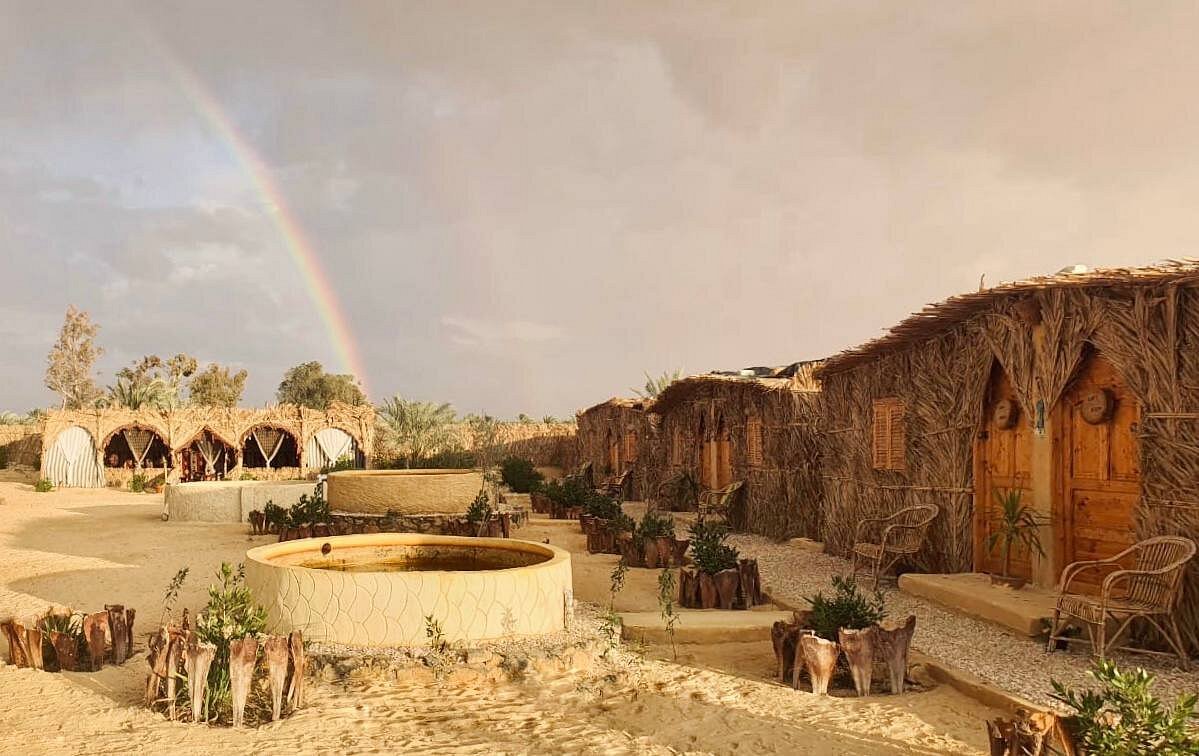
We will take our lunch at a unique restaurant before resuming our road trip to Siwa Oasis. Upon arrival, we will leave our baggage in the eco-lodge and transfer to one of the many natural hot water springs in Siwa Oasis to take a dip that will relax our muscles after a long day's drive. Back to the hotel and overnight.
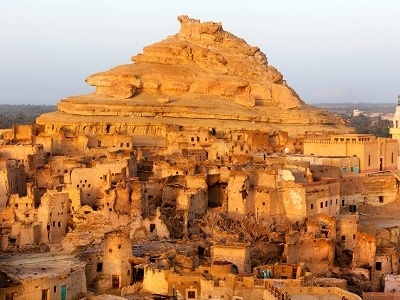
Breakfast in at the hotel then you will continue your Siwa Oasis tour, enjoying visiting the ruins of the Old Town of Shali.
"Shali" is a Siwi word meaning city. The village of Shali was built from the material of the archive, which is clay saturated with salt. If it dries up, it becomes similar to cement in its hardness. It is a unique style of construction, and it dates back to the sixth century AH / twelfth century AD.
After that, you will be transferred to see the Temple of Alexander the Great ( the temple of The Oracle ) at the Aghurmi village dates back to the 26th dynasty, and visit the temple of Amun Ra known as the Temple of Um Ubeyda,
The temple is built of sand stone and mud brick and it consists of forty-five rooms. The temple was discovered by Ahmed Fakhry, but unfortunately it was weathered by elements and most of the inscriptions and reliefs have vanished. An attempt has been made at restoration and the cracks between the stone blocks have been crudely filled with mortar. The temple was built to commemorate Alexander's passing on his way to Siwa . One of the temple's walls has a scene shows Alexander the great offering gifts to God Amon.
The Museum at Siwa is an example of what the traditional house looks like in Siwa Oasis, Siwa House Museum also has a great collection of displays for daily-life tools and accessories used by Siwan people. The Siwan house ceilings and doors are made of palm wood, and mud and olive leaves help strengthen the roof against the rain. Most of the houses in Siwa as we can see them during Egypt Tours have two floors and a rooftop terrace, where they sleep in the summer or sit in the evening for dinners and chats in the open air.
Lunch will be served in the Oasis famous square overlooking Shali you will also visit the Mountain of the Dead ( Jabal el Mawta ) visit the interesting tombs of the rulers of Siwa Oasis during the 26th dynasty like the tombs of SI Amon, MSW Isis, crocodile tomb,
The mountain contains number of tombs. The tombs, which cover every inch of its base and are situated on its terraces and on all sides of the conical part, date from the 26th dynasty, the Greek and the Roman periods, though there appear to be no Christian burials.
One of the most famous tombs is that of Si-Amun which is considered the most beautiful one in the oasis of the Western desert. The tomb dates to about the 3rd century BC. It was discovered in October,1940 and unfortunately, some of its decorations were badly damaged by soldiers in Siwa at that time, who cut away parts of the painted plaster. The tomb, as with others in the area, was robbed during the Roman period.
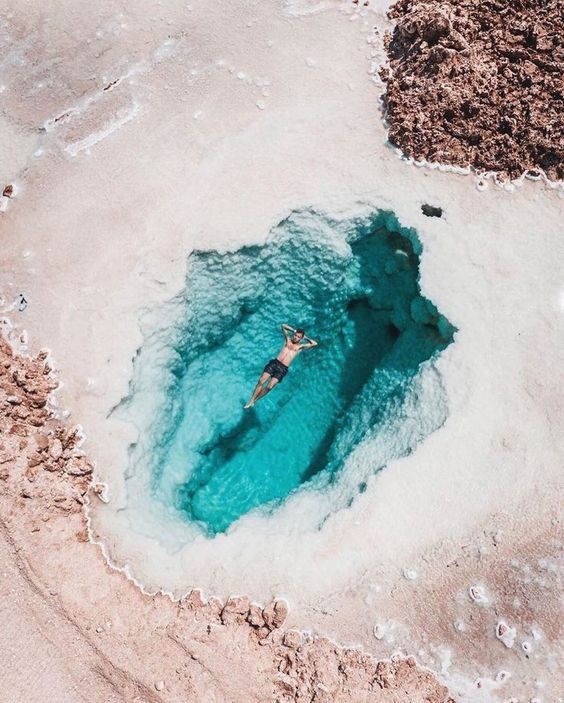
Then you will enjoy relaxing afternoon at Cleopatra Spring (Ein Guba) swimming and dipping into the sparkling water after that you will be transferred Fitnas Island to enjoy once in the lifetime Sunset view.
Another favorite bathing spot for locals and tourists in Siwa is Fatnas Island. Also known as "Fantasy Island," the spot is located 6 km from Siwa Town on the salt lake of Birket Siwa in a beautiful surrounding of palm trees and beautiful scenery. There’s even a small café nearby from where you will be able to watch an amazing sunset while having tea or a cold drink.
You will have an organic breakfast in the hotel, then continue your Siwa Oasis Desert Safari, on the second day your guide will take you on a four-wheel drive to explore the Great Sand Sea.
We will start our Egypt Desert Safari adventure between the golden sand dunes till we arrive at the fossils area and see the rocky coral reefs which date back to the Cambrian era.
The Great Sand Sea situated in Western Egypt the third largest sand-accumulation in the world. The Great Sand Sea of the eastern desert; an unbroken mass of dunes the size of New Mexico which smothers the barren frontiers of Libya and Egypt and is home to not one living soul. Parallel dune ridges run north-south for hundreds of miles, and anyone journeying here has to be exceptionally well prepared, as there's not a single well or water source in 150,000 square miles--extreme even by Saharan standards.
Passing by the Dakrour Mountain, now we will enjoy the sandboarding experience, although not as fast as snowboarding but with the right amount of bee wax we can let you shoot down some of the massive sand dunes in the Great Sand Sea and have thrills to spare, after sandboarding it is time to wash up in the hot spring renowned as Bir Wahid for chilling and tranquilizing our muscles, enjoy another amazing Sunset at the Great Sand Sea in the middle of the dunes while having Bedouin tea.
Bir Wahid is an area within the Great Sand Sea of Siwa Oasis, comprised of three natural water springs, although only two of them are the most visited. It is located in the desert known as the Great Sand Sea which is a naturally preserved area that stretches 800 km long, to the north of the Gilf Kebir plateau and east of Libya. Here, the water flows strongly at a maximum temperature of 37º, as if it is a sauna or thermal complex.
Today is the last day of your Siwa trip. Enjoy your breakfast at the hotel, then you will move back to Cairo hotel to check in and overnight.
A new day starts with breakfast, and then you will be driven catch your flight to Aswan where your guide will take you to your visits to
At Aswan High Dam, you’ll hear from your tour guide the whole story of its construction and how it helped the Egyptians a lot to improve their economic and social state. Then, you’ll move to witness the miraculous.
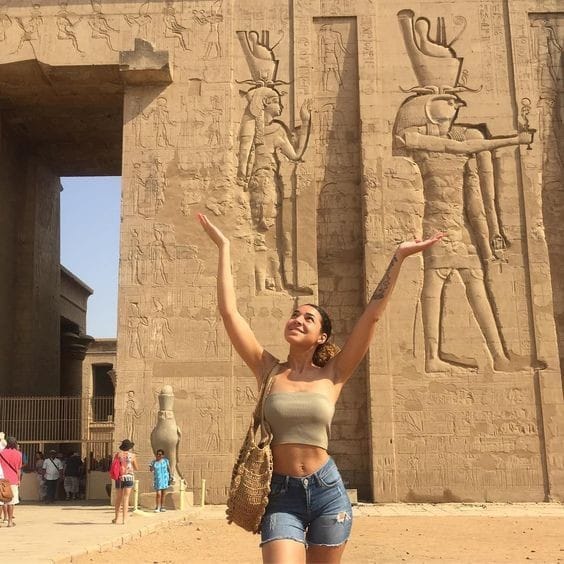
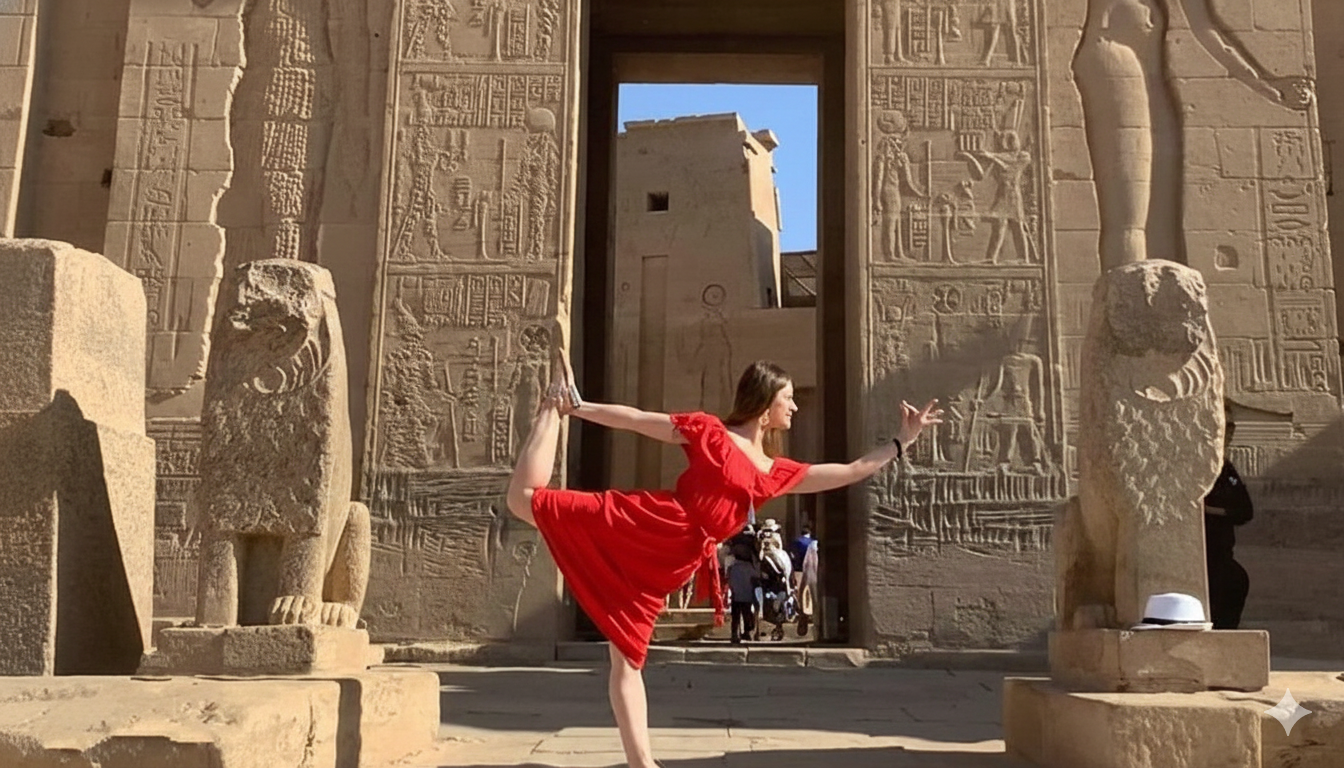
Philae Temple was constructed in 690 B.C and it had been relocated with the help of the UNESCO because it was in great danger from the High & Low Dams of Aswan. It was dedicated to goddess Isis. After having Lunch drive to your Aswan hotel to check in and over night.
Enjoy a scenic day trip from Aswan to explore two of Upper Egypt’s most remarkable temples. First, visit the unique Temple of Kom Ombo, dedicated to Sobek the crocodile god and Horus. Then, continue to the beautifully preserved Temple of Edfu, one of Egypt’s best-kept ancient temples. Along the way, travel comfortably by car and enjoy views of the Nile and rural landscapes to Luxor
The Temple of Kom Ombo is an unusual double temple in the town of Kom Ombo in Aswan Governorate, Upper Egypt. It was constructed during the Ptolemaic dynasty, 180–47 BC. Some additions to it were later made during the Roman period. The building is unique because its 'double' design meant that there were courts, halls, sanctuaries and rooms duplicated for two sets of gods. After finishing the visit to Kom Ombo, we will continue driving to Edfu to visit the best-preserved temple in Egypt:
Edfu temple which was dedicated to Horus, the son of Isis and Osiris and its walls are really impressive with its inscriptions and pictures showing Horus having his revenge from Seth the brother of his father Osiris. It is the best preserved and most complete in Egypt temple and second largest after Karnak.
Once we finish this visit and arrive to Luxor we will have our lunch in a local restaurant before visiting the temple of Luxor.
Luxor Temple, Ipet‑resyt “Southern Sanctuary” to the ancient Egyptians, was so called because of its location within ancient Thebes (modern Luxor). It is located around three kilometers to the south of Karnak Temple, to which it was once linked with a processional way bordered with sphinxes. The oldest evidence for this temple dates to the Eighteenth Dynasty (c.1550–1295 BC).
After finishing your last visit you will be driven to your hotel to check in and Overnight.
In the beautiful morning after breakfast, our tour guide will meet you to take you to enjoy a journey in the west bank of Luxor where you will visit:
The rulers of the Eighteenth, Nineteenth, and Twentieth Dynasties of Egypt’s prosperous New Kingdom (c.1550–1069 BC) were buried in a desolate dry river valley across the river from the ancient city of Thebes (modern Luxor).
The second-largest tomb in the valley, Merenptah’s tomb has been open since antiquity and has its share of Greek and Coptic graffiti. Floods have damaged the lower part of the walls of the long tunnel-like tomb, but the upper parts have well-preserved reliefs. The corridors are decorated with the Book of the Dead, the Book of Gates and the Book of Amduat. Beyond a shaft is a false burial chamber with two pillars decorated with the Book of Gates.
One of the most popular tombs in the valley, KV 11 is also one of the most interesting and best preserved. Originally started by Sethnakht (1186–1184 BC), the project was abandoned when workers hit the shaft of another tomb (KV10). Work resumed under Ramses III (1184–1153 BC), the last of Egypt’s warrior pharaohs, with the corridor turning to the right, then left. It continues deep (125m overall) into the mountain and opens into a magnificent eight-pillared burial chamber.
Tomb KV14 is a joint tomb, used originally by Tausert and then reused and extended by Setnakhte. It has been open since antiquity, but was not properly recorded until Hartwig Altenmüller excavated it from 1983 to 1987. Located in the main body of the Valley of the Kings, it has two burial chambers, the later extensions making the tomb one of the largest of the Royal Tombs, at over 112 meters long.
Hatshepsut (c.1473–1458 BC), the queen who became Pharaoh, built a magnificent temple at Deir al-Bahari, on the west back of Luxor. It lies directly across the Nile from Karnak Temple, the main sanctuary of the god Amun. Hatshepsut’s temple, Djeser-djeseru “the Holy of Holies” was designed by the chief steward of Amun, Senenmut.
These two faceless colossi (the plural of colossus, which just means larger-than-life statue) are the first thing visitors see when they reach the west bank of the Nile opposite Luxor. This isn't surprising when you hear their dimensions: they tower 60 feet (18 m) above the plains and are estimated to weigh an enormous 720 tons each.
Built over two millennia between the years of around 2200 and 360 BCE, Karnak is a massive Ancient Egyptian temple complex that was one of the country's most important places of worship under the rules of Hatshepsut, Seti I, Ramesses II and Ramesses III. Enjoy your lunch and it will be served at a local restaurant after the day tour. Then drive to Luxor airport to catch your flight to Cairo once you arrive you will be driven to your hotel and overnight in Cairo.
Around 10 am our guide will pick you up from your hotel to start your Cairo streets tour Visit Bab Zuwayla which is an ancient gate of Cairo. Outside the gate, you can see the mosque of Al-Saleh Talai’e. You will get the chance to climb up the stairs and reach it’s top to see a fascinating view of the minarets of a wide range of Cairo.
Immerse yourself in the vibrant heart of Old Cairo on this unforgettable street tour. From ancient city gates to lively bazaars, this experience brings Egypt’s Islamic heritage to life. As you walk through historic streets, you will discover centuries of architecture, culture, and daily life—still thriving today.[
Your Cairo city tour begins with a convenient hotel pickup. First, you arrive at Bab Zuwayla, one of Cairo’s last remaining medieval gates. From here, you can climb to the top and enjoy breathtaking views of countless minarets stretching across the city skyline.
Next, step inside the impressive Sultan Al-Mo’ayyad Mosque, uniquely built beside the ancient gate. Afterward, stroll through the lively cloth market near Ghouri Street, where colorful textiles, pure cotton garments, and local fruits fill the air with energy.
Soon after, visit the remarkable Sultan Al Ghouri Complex, located near Al-Azhar Mosque and rich with Mamluk architectural beauty.
As you continue, walk along Al Muizz Street, one of the oldest streets in Cairo. Here, you’ll admire extraordinary Islamic architecture dating from the 13th to 15th centuries.
Additionally, explore the magnificent Qalawun Complex, a masterpiece from the Mamluk era. Along the way, pass traditional copper, silver, and gold workshops, where artisans still practice centuries-old crafts.
Later, visit the historic Souhaimy House, once home to hundreds of Al-Azhar students. This beautifully preserved residence offers a glimpse into daily life in old Islamic Cairo.
Finally, arrive at the legendary Khan El Khalili Bazaar. Relax at a traditional café, sip tea or coffee, and soak in the atmosphere before returning comfortably to your hotel.
Enjoy your lunch and it will be served at a local restaurant after the day tour. Then return to your hotel and overnight in Cairo.
Breakfast at hotel. Check out and transfer to Cairo International Airport for final departure.
Hear from travelers who trusted us to create unforgettable journeys and memories.
"The Egypt tour exceeded all my expectations. Our guide was incredibly knowledgeable and the accommodations were fantastic. A truly unforgettable experience!"
New York, USA
"The Nile cruise was absolutely magical. Waking up to the sunrise over the Nile and visiting ancient temples was a dream come true. Highly recommend!"
London, UK
"Petra at night was breathtaking. The candlelit path through the Siq to the Treasury is something everyone should experience. Thank you for organizing such a perfect trip!"
Sydney, Australia
"From the Pyramids to the Red Sea, every moment was perfectly planned. The team was professional and attentive. Can't wait to book our next adventure!"
Toronto, Canada
"The diving in Hurghada was world-class. Crystal clear waters, vibrant coral reefs, and an incredible variety of marine life. Best diving experience of my life!"
Berlin, Germany
Discover more amazing tours similar to this one.